Acne Scar
Treatment
Smooth what acne left behind.

Physician-administered combination protocols using microneedling, PRP, and chemical peels to remodel acne scar tissue, rebuild collagen, and restore smooth, even skin.

Book an Appointment


Florida Insurances
Georgia Insurances
New York Insurances
South Carolina Insurances
North Carolina Insurances
Treating Scars at the Source Beyond the Breakout.
Into the Scar.

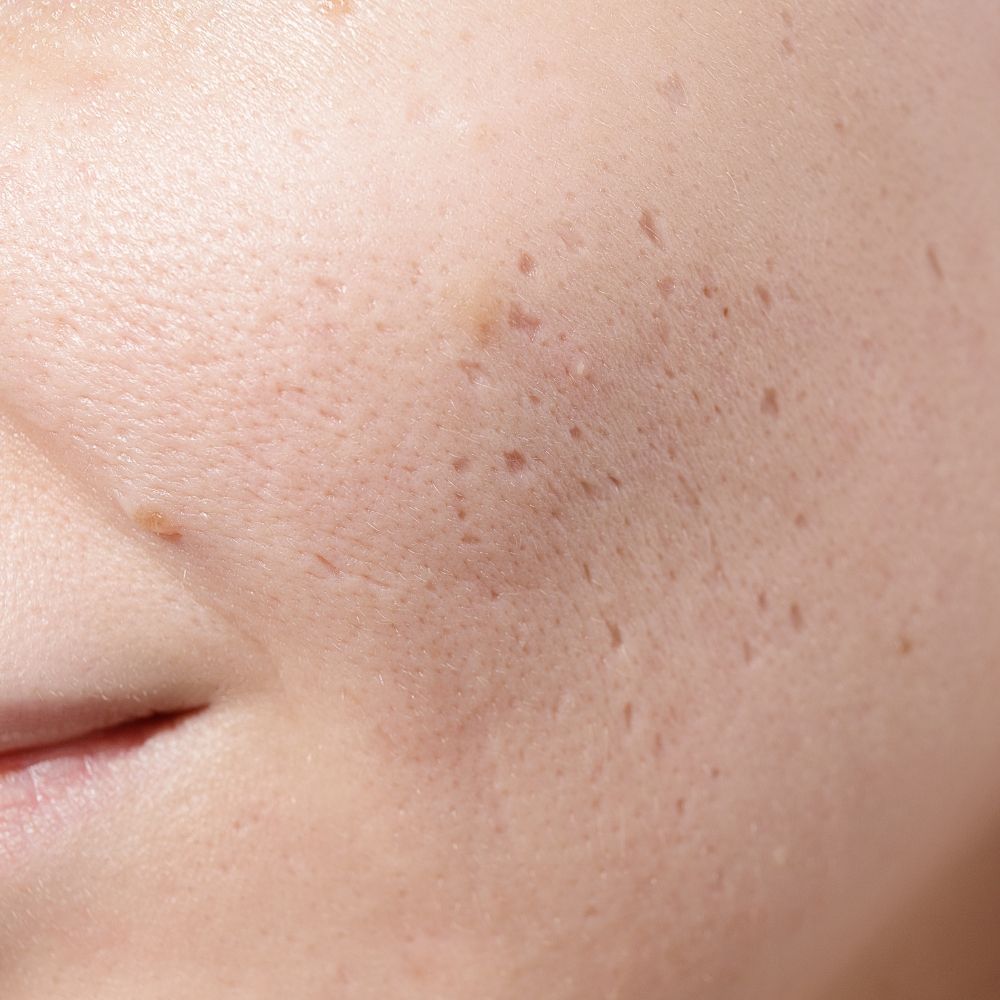
Acne scars form when the inflammatory response to a deep acne lesion damages the collagen structure of the dermis. As the skin heals, it replaces the damaged collagen with scar tissue that differs in structure, texture, and surface height from the surrounding skin. The type of scar produced depends on whether tissue was lost (atrophic scars, including ice pick, boxcar, and rolling scars) or gained (hypertrophic and keloid scars). Each type requires a different treatment approach.

At Superior Health Medical and Wellness, Dr. Akers assesses the type, depth, and distribution of acne scarring before recommending a treatment protocol. Most significant acne scarring responds best to a combination approach that uses multiple treatment modalities in a designed sequence, each targeting a different aspect of the scar tissue. The protocol is built around the specific scar types present on your skin, not applied as a generic acne scar treatment.

Book Your Appointment
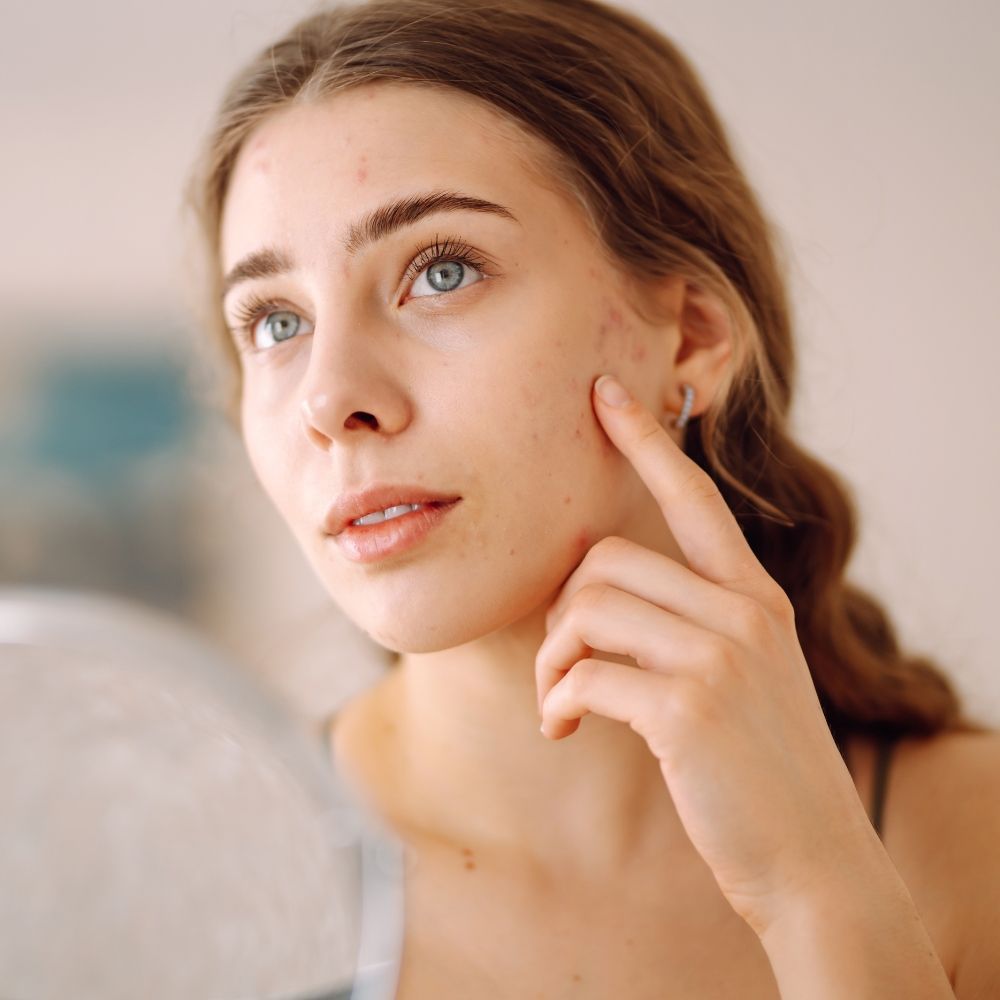
Acne scar treatment at Superior Health Medical and Wellness
Acne Scar Treatment Services What We Provide

From microneedling and PRP for atrophic scarring to chemical peels for post-inflammatory hyperpigmentation and combination remodeling protocols, Superior Health provides comprehensive acne scar treatment. Explore the services below.

Microneedling is one of the most effective treatments for atrophic acne scars, including rolling and boxcar scars. The controlled micro-injuries disrupt the fibrotic scar tissue and stimulate new collagen production in and around the scar, progressively filling in the depression and smoothing the surface over a series of treatments. Rolling scars respond most rapidly, while deeper boxcar scars require more sessions and may benefit from combination treatment.
Combining PRP with microneedling significantly accelerates scar remodeling by flooding the treated scar tissue with concentrated growth factors that drive fibroblast activity and collagen production at a much higher rate than microneedling alone. This combination is the preferred approach for patients with moderate to severe atrophic scarring and produces more significant improvement per session than either treatment used independently.
The dark marks, or post-inflammatory hyperpigmentation (PIH), that remain after acne lesions heal are distinct from true acne scars and respond well to chemical peels. TCA and glycolic acid peels accelerate the removal of the pigmented cells responsible for these marks, producing faster and more complete pigmentation clearance than topical treatments alone. A series of peels combined with brightening skincare produces comprehensive PIH resolution.
Some rolling acne scars are tethered to the underlying tissue by fibrotic bands that hold the scar surface below the level of the surrounding skin. Subcision is a procedure in which a small needle is inserted beneath the scar and moved back and forth to release these fibrous tethers, allowing the scar surface to rise to the skin level. Subcision is often combined with microneedling and PRP for complete rolling scar treatment.
Ice pick scars are narrow, deep scars that extend into the mid-dermis or below and do not respond well to surface resurfacing treatments. TCA CROSS (chemical reconstruction of skin scars) involves applying a high concentration of TCA precisely to the base of the ice pick scar to stimulate a focused collagen response that fills the narrow scar channel from the bottom up. This targeted approach is far more effective for ice pick scars than broad surface resurfacing.
Most patients with significant acne scarring achieve optimal results through a combination protocol that addresses all scar types present on their skin in a planned series of six to twelve treatments. Dr. Akers designs a comprehensive series that sequences the appropriate treatments for your specific scar types, adjusts the protocol based on your response to each treatment, and plans the maintenance phase to preserve the improvements achieved.
Why It Matters Scars Are a Medical
Concern. Treat Them That Way.
Acne scar treatment results at Superior Health Medical
01 Acne Scars Are a Structural Problem That Skincare Cannot Fix

Acne scars involve physical changes to the architecture of the dermis: loss of collagen in atrophic scars or fibrotic tissue replacement in hypertrophic scars. No topical product can rebuild lost collagen or release fibrotic tethers. Treating acne scars requires clinical treatments that penetrate to the dermis and physically remodel the scar tissue structure.

02 Early Treatment Produces Better Outcomes

The optimal time to begin acne scar treatment is as soon as active acne is controlled and the scars are fully mature. Fresh scars are more responsive to remodeling than older, well-established ones. Many patients who wait years before beginning treatment find that their results, while meaningful, are less dramatic than they would have been had they started earlier. Addressing scars early maximizes the potential for improvement.

03 Scar Type Determines Treatment Approach

Rolling scars, boxcar scars, ice pick scars, and post-inflammatory hyperpigmentation all have different structural causes and respond to different treatments. Applying a single-treatment approach to all types of acne scarring produces incomplete results. A physician who can assess scar types accurately and match treatment to scar type achieves far greater overall improvement than a protocol applied uniformly to all patients.

Superior Health Medical & Wellness
Erase the Memory
Of Breakouts Past

Advanced resurfacing and collagen remodeling that progressively smooths scar tissue, rebuilds what acne damaged, and restores a surface worth showing.

Book a Consultation

Acne scar types at Superior Health Medical
Scar Types Understanding the
Different Types of Acne Scars

Rolling acne scars have a wavy, undulating surface caused by fibrous attachments between the epidermis and the subcutaneous tissue beneath. They create shallow, broad depressions with sloping edges that cast shadows and create a bumpy texture across the skin surface. Rolling scars respond well to microneedling and subcision.

Boxcar scars are sharply defined, round or oval depressions with vertical walls. They result from tissue destruction that removes collagen in a defined column, leaving a structured pit in the skin. Their depth ranges from superficial to deep. Superficial boxcar scars respond to microneedling. Deeper boxcar scars may benefit from TCA CROSS or combination approaches.

Ice pick scars are narrow, deep, V-shaped scars that extend deep into the dermis and sometimes into the subcutaneous fat. They appear as small but deep pores or puncture marks. Their narrow channel makes them resistant to surface resurfacing treatments. TCA CROSS is the most effective approach for ice pick scars, stimulating collagen from the base of the scar upward.
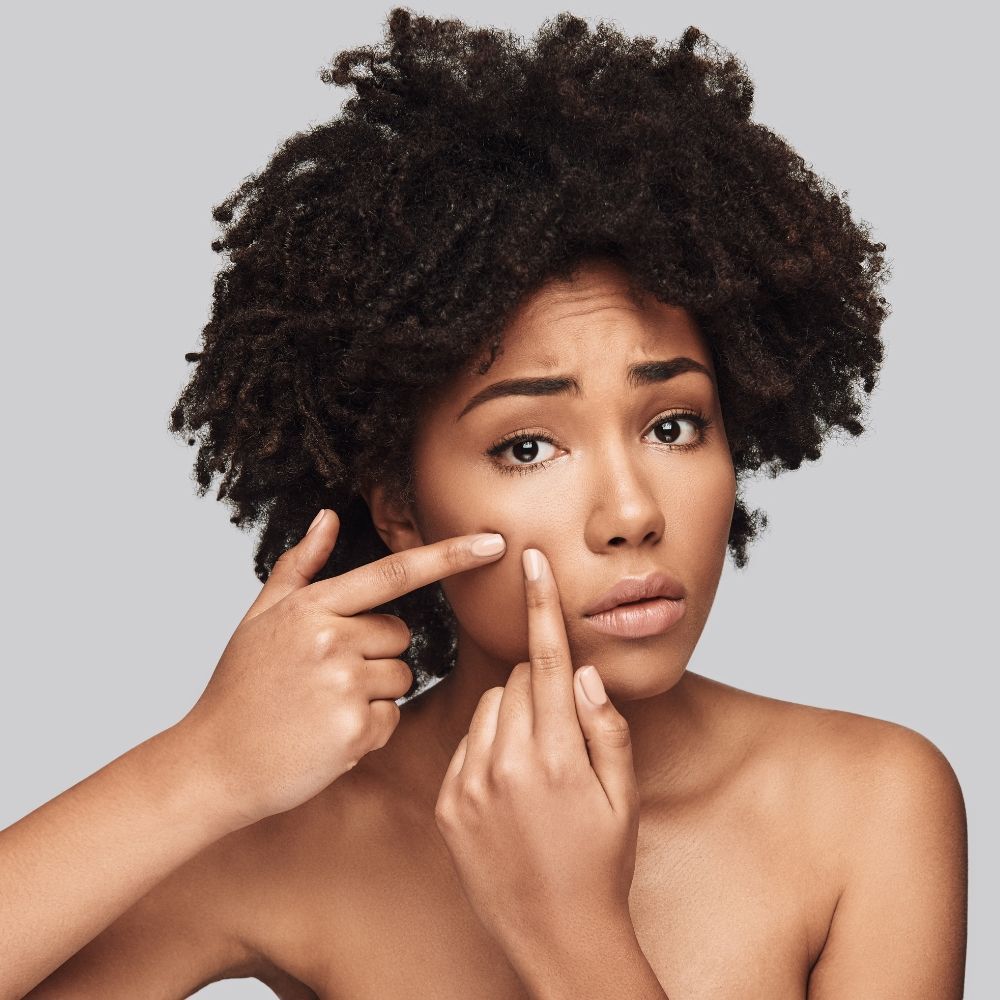
Acne scar treatment plan at Superior Health Medical and Wellness
Your Treatment Plan What to Expect From
Acne Scar Treatment

Acne scar treatment is a commitment to a process, not a single appointment. Meaningful improvement in moderate to severe acne scarring requires a series of six to twelve sessions over four to eight months, with each session building on the collagen remodeling triggered by the previous one. Dr. Akers sets realistic expectations at your consultation based on the specific types and severity of your scarring.

At each session, Dr. Akers assesses how the treated scars are responding and adjusts the treatment protocol accordingly. Rolling scars may be ready for subcision release earlier in the series. Deeper scars may need more sessions. The protocol adapts to what your skin is showing at each visit, ensuring the most efficient path to the best possible outcome for your specific scarring.

Schedule Your Acne Scar Consultation
Frequently Asked Questions Your Questions,
Answered
Complete removal of acne scars is not always achievable, and setting realistic expectations is part of an honest consultation. Significant improvement, typically a 50 to 80 percent reduction in scar depth, texture, and appearance, is achievable with a comprehensive treatment series for most patients. Some scars, particularly shallow rolling scars, can be dramatically improved to the point where they are barely noticeable. Deeper scars generally see meaningful but less complete improvement.
The number of treatments depends on the type, depth, and severity of your scarring. Mild scarring may see meaningful improvement in three to four sessions. Moderate to severe atrophic scarring typically requires six to twelve sessions to achieve optimal improvement. Dr. Akers evaluates your specific scarring at your consultation and gives you a realistic estimate of the number of sessions needed.
Microneedling is performed with topical numbing cream and is well tolerated by most patients. Chemical peels produce a stinging or burning sensation during application that resolves quickly. Subcision involves local anesthetic injection at the treatment site and is minimally uncomfortable after the anesthetic takes effect. TCA CROSS involves a brief stinging sensation at the treated scar sites. Dr. Akers uses appropriate numbing protocols for all acne scar treatments.
Yes. Active inflammatory acne should be well controlled before beginning scar treatment. Treating scars while active acne is producing new lesions is counterproductive because new lesions can create new scars during the treatment course. Dr. Akers evaluates your acne status at consultation and may recommend addressing active acne first before beginning the scar treatment series.
Yes. Post-inflammatory hyperpigmentation (the flat dark marks that follow acne lesions) and true acne scars (the textural irregularities from collagen damage) often coexist and can be treated simultaneously within a comprehensive protocol. Chemical peels and brightening treatments address the pigmentation, while microneedling and other remodeling treatments address the structural scars. The two concerns complement each other in a well-designed treatment plan.