Non-Surgical
Blepharoplasty
Brighter eyes. No surgery.

Neurotoxin and filler-based eyelid rejuvenation that opens, lifts, and refreshes the eye area without surgical downtime or incisions.

Book an Appointment


Florida Insurances
Georgia Insurances
New York Insurances
South Carolina Insurances
North Carolina Insurances
Eye Rejuvenation Without Surgery Eyes That Look as
Rested as You Feel

The eyes are the most expressive and noticed feature of the face, and they are also among the first areas to show the effects of aging. Heavy upper eyelids, hollow or dark under-eyes, fine lines at the outer corners, and drooping of the lateral upper lid all age the eye area and create the appearance of chronic fatigue, even in patients who sleep well and take excellent care of themselves. Non-surgical blepharoplasty addresses these concerns using precisely placed neurotoxin and filler rather than scalpel and suture.

At Superior Health Medical and Wellness, Dr. Akers evaluates the eye area comprehensively, assessing the contribution of brow descent, upper eyelid skin excess, lower eyelid hollowing, tear trough deformity, and periocular lines to the overall appearance. She then designs a treatment plan that addresses the actual anatomical drivers of the concern rather than applying a generic protocol to the eye area.

Book Your Appointment
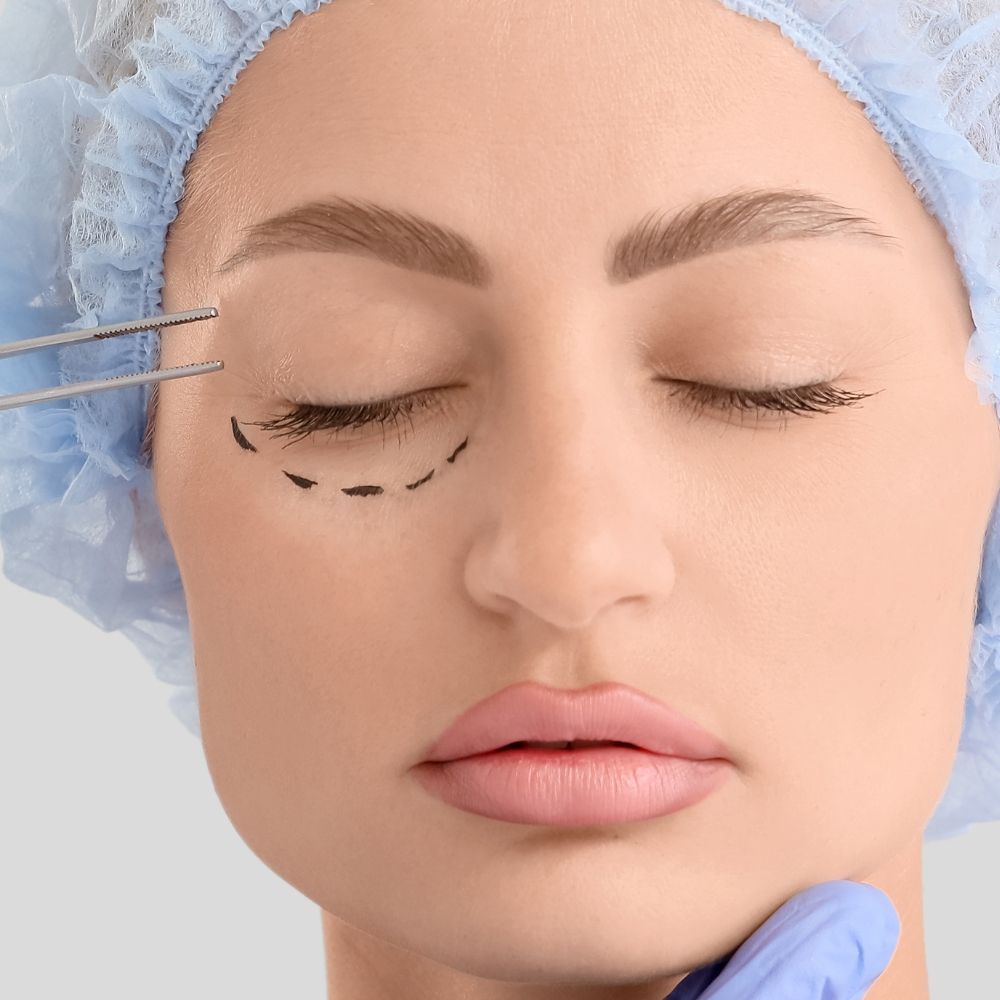
Non-surgical blepharoplasty at Superior Health Medical and Wellness
Non-Surgical Blepharoplasty Services What We Provide

From upper lid tightening with neurotoxin to under-eye filler and periocular rejuvenation, Dr. Akers provides comprehensive non-surgical eye area treatment at Superior Health. Explore the services below.

Neurotoxin placed carefully in the lateral orbicularis oculi and, where appropriate, the medial brow depressors creates a lifting effect in the upper eyelid and brow area without adding volume. This approach opens the upper eyelid appearance, creates a subtle lid crease definition, and gives the upper face a more awake, alert appearance. The technique is delicate and anatomy-specific.
The tear trough is the groove between the lower eyelid and cheek that becomes more pronounced with age, creating a hollow shadow that makes patients look tired regardless of how much rest they get. Hyaluronic acid filler placed precisely in this area restores the smooth transition from lower lid to cheek and eliminates the shadow. This is one of the most technically demanding injectable treatments, requiring a thorough understanding of periorbital anatomy and vascular structures.
Fine lines around the eyes, including crow's feet at the lateral corners, fine lines under the lower eyelid, and the bunny lines across the nose bridge that activate with squinting, are all treated with small amounts of precisely placed neurotoxin. The goal is softening that preserves the natural warmth and expressiveness of the eyes rather than eliminating all movement.
Volume loss in the lower eyelid and midface contributes to the appearance of a sunken, tired lower eye area. Filler placed strategically in the lower eyelid and upper cheek zone restores volume, reduces the prominence of lower eyelid fat pads by creating a smooth transition between the eyelid and cheek, and improves the overall appearance of the lower eye area.
In many patients, what appears to be an upper eyelid heaviness problem is partly or primarily a brow descent problem. When the brow falls below its optimal position, the upper eyelid skin looks heavier and the eye opening appears smaller. Dr. Akers evaluates the contribution of brow descent to upper eyelid appearance before recommending eyelid-specific treatment, often recommending brow lifting as the first intervention.
The most impactful eye area rejuvenation outcomes address all of the contributing factors simultaneously: brow position, upper eyelid heaviness, periocular lines, lower eyelid hollowing, and midface support. Dr. Akers designs comprehensive eye area protocols that produce coherent, balanced improvement across the entire periocular region rather than addressing individual concerns in isolation.
Why It Matters The Eyes Communicate
More Than Words
Non-surgical eye rejuvenation at Superior Health Medical
01 Tired-Looking Eyes Affect Every Interaction

People form immediate impressions based on the appearance of the eyes. Heavy lids, hollow under-eyes, and chronic darkness in the periocular area communicate fatigue, stress, and age, regardless of how you actually feel. Addressing these features changes how you present in every social and professional interaction.

02 Non-Surgical Treatment Can Produce Dramatic Improvement

For patients with tear trough hollowing, brow descent, and periocular lines, non-surgical treatment can produce results that rival what many expect only from surgery. The right combination of neurotoxin and filler, precisely placed, produces comprehensive improvement in the eye area without the downtime, cost, or risks of surgical blepharoplasty.

03 Safety in the Periocular Area Requires Physician Expertise

The eye area contains delicate structures and critical blood vessels that are in close proximity to injection sites. Non-surgical periocular treatment requires thorough anatomical knowledge, appropriate product selection for the treatment depth, and the ability to recognize and manage any vascular concern that arises. This is physician-level medicine, not a cosmetic service.

Superior Health Medical & Wellness
Brighter Eyes.
No Knife.

Physician-administered neurotoxin and filler that lifts the lid, lightens the under-eye, and opens the entire eye area without surgery.

Book a Consultation
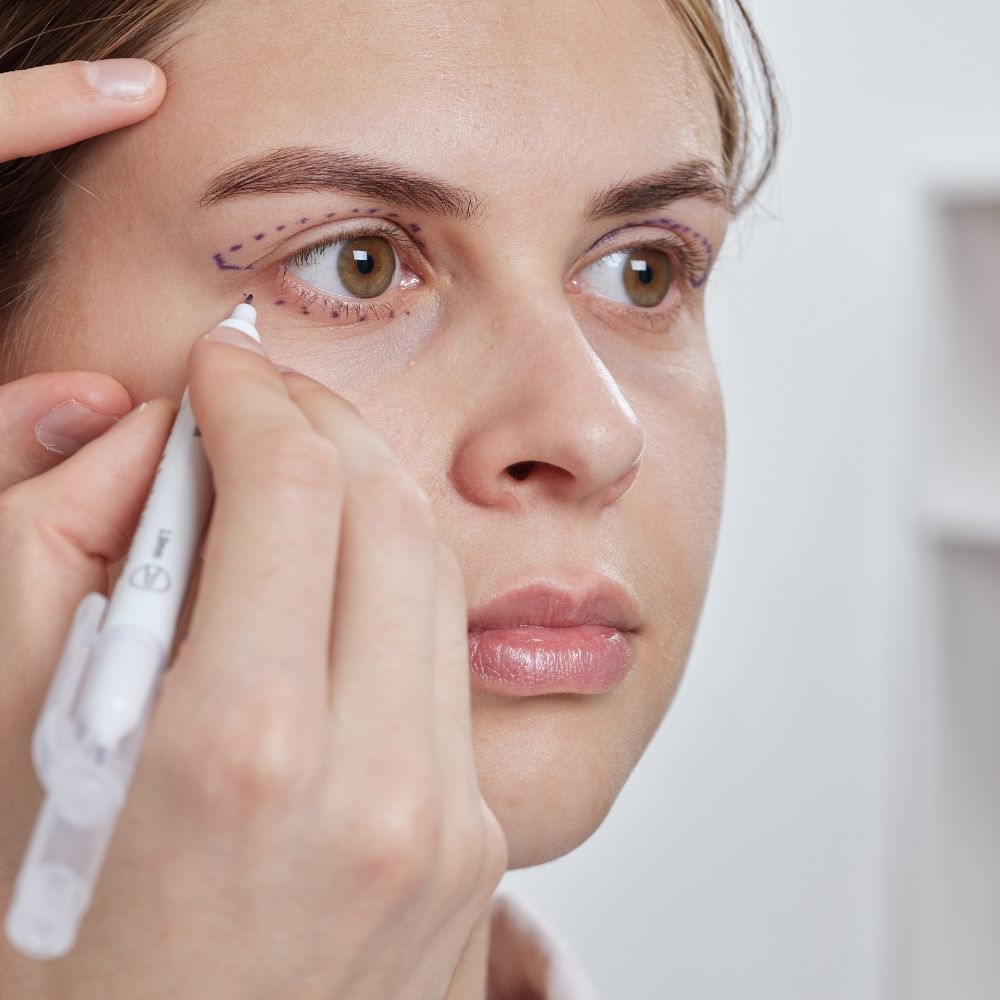
Non-surgical vs surgical blepharoplasty at Superior Health Medical
Choosing Your Approach Surgery vs. Non-Surgical:
What Is Right for You

Traditional surgical blepharoplasty involves removing or repositioning excess upper or lower eyelid skin and fat through incisions placed in the eyelid creases. It produces permanent results and can address significant tissue excess that non-surgical approaches cannot. Recovery involves bruising and swelling for one to two weeks and activity restrictions for several weeks.

Non-surgical blepharoplasty with neurotoxin and filler is appropriate for patients with mild to moderate eyelid concerns, particularly those driven by hollowing, brow descent, and fine lines rather than true tissue excess. Results are temporary, typically lasting six to eighteen months depending on the products used, and the approach is reversible for hyaluronic acid filler components.

Dr. Akers evaluates your eyelid anatomy honestly and tells you directly whether non-surgical treatment is appropriate for your concern or whether you would benefit more from a surgical consultation. She does not recommend non-surgical treatment to patients who need surgery, and she does not recommend surgery to patients who can achieve their goals without it.
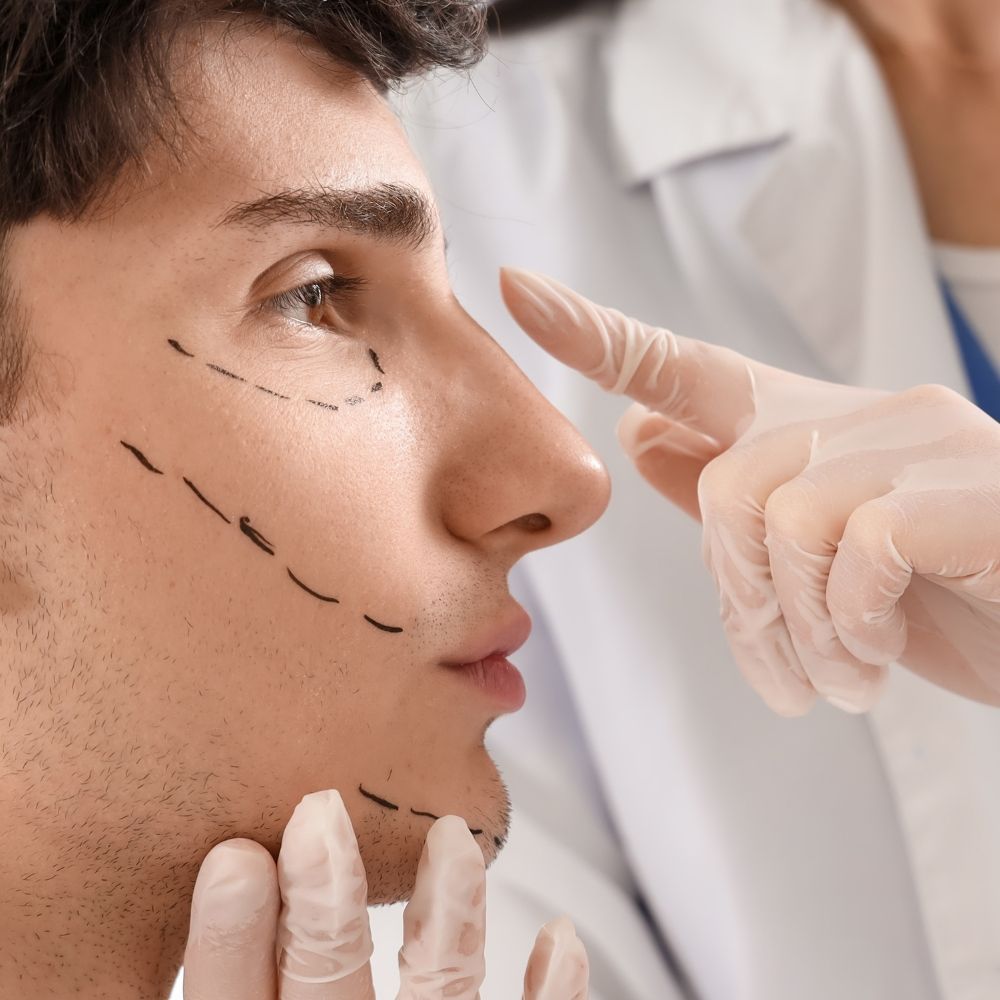
Recovery after non-surgical blepharoplasty at Superior Health Medical
After Your Treatment Recovery in the
Delicate Eye Area

The periocular area is prone to bruising and swelling given the looseness of the eyelid skin and the rich vascularity of the area. Bruising from tear trough filler in particular can be significant and should be expected as a possible outcome. Arnica and cold compresses help manage bruising and swelling in the days following treatment.

Neurotoxin results in the periocular area appear in two to five days and are fully established at two weeks. Filler results are immediate with swelling that may temporarily make results appear more pronounced before settling to the true result at two weeks. Dr. Akers recommends evaluating all periocular treatment results at two weeks for the most accurate assessment.

Schedule Your Eye Rejuvenation Consultation
Frequently Asked Questions Your Questions,
Answered
The best candidates have mild to moderate periocular aging primarily driven by hollowing, brow descent, and fine lines rather than true skin excess. Patients with significant upper eyelid skin redundancy, prominent lower eyelid fat pads, or ptosis (drooping of the eyelid margin itself) may need surgical evaluation. Dr. Akers assesses your specific anatomy and tells you honestly what non-surgical treatment can achieve for your individual concern.
Tear trough filler is safe when performed by a physician with thorough knowledge of periorbital anatomy and the technical skills required for safe injection in this area. The tear trough lies in close proximity to important vascular structures, and appropriate product selection, injection technique, and depth are all essential. Dr. Akers uses cannula technique in the tear trough where appropriate to minimize bruising and vascular risk.
Hyaluronic acid filler in the tear trough typically lasts twelve to eighteen months, sometimes longer. The tear trough is a relatively low-movement area, which contributes to filler longevity. Dr. Akers assesses results at follow-up and recommends touch-up timing based on how the filler has integrated and how your results are evolving.
After neurotoxin treatment, makeup can typically be applied the same day or the following day. After filler, particularly in the under-eye area, applying makeup gently is possible from the next day once any significant swelling has reduced, but gentle technique is important to avoid pressing on the treated area in the early post-treatment period.
Under-eye hollowing is a concavity or shadow caused by volume loss in the lower eyelid and upper cheek. Under-eye puffiness is caused by prominent lower eyelid fat pads or fluid retention. These require different approaches: hollowing responds to filler, while puffiness does not and may worsen with filler if product is placed incorrectly. Dr. Akers evaluates which of these is driving your under-eye appearance before recommending treatment.