Asthma &
COPD
Breathe better. Live fully.

Comprehensive respiratory management for asthma and COPD combining medication optimization, trigger identification, and flare prevention to keep your breathing on track year-round.

Book an Appointment


Florida Insurances
Georgia Insurances
New York Insurances
South Carolina Insurances
North Carolina Insurances
Breathing Made Clinical Respiratory Care That Goes the Distance

Asthma and COPD are chronic conditions that require ongoing, attentive management rather than episodic treatment when you cannot breathe. At Superior Health Medical & Wellness, Dr. Akers builds individualized respiratory care plans that control symptoms, prevent flares, and preserve your lung function over the long term rather than simply responding to acute episodes.

Whether you have newly diagnosed asthma, long-standing COPD, or symptoms that have not been properly controlled despite previous treatment, Dr. Akers evaluates your respiratory pattern, triggers, current medications, and lung function to identify what is working, what is not, and what needs to change.

Book a Respiratory Consultation
Asthma & COPD at Superior Health
Asthma & COPD What We Manage

Asthma and COPD both require individualized, layered management. Dr. Akers addresses every dimension of your respiratory condition from medication optimization to trigger management and lifestyle support. Explore what comprehensive respiratory care covers below.
Asthma is classified by severity and level of control. Dr. Akers classifies your asthma accurately, distinguishes it from other causes of wheeze and dyspnea, and selects treatment based on your classification and response pattern rather than applying a one-size-fits-all protocol.
Common asthma triggers include allergens, respiratory infections, exercise, cold air, smoke, pollutants, and stress. Dr. Akers identifies your personal trigger profile and develops practical strategies for avoidance, along with rescue and preventive medication adjustments for unavoidable exposures.
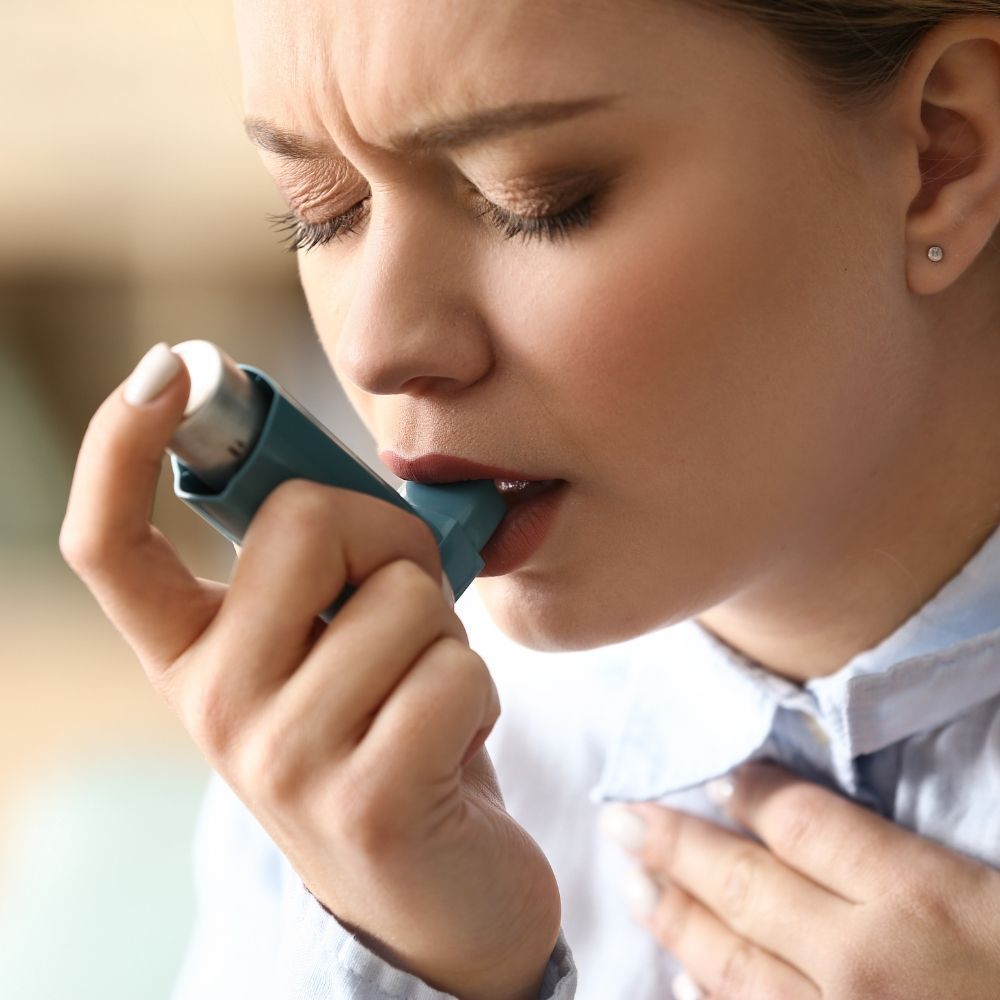
Inhaled corticosteroids are the cornerstone of persistent asthma management, reducing airway inflammation and preventing symptoms. Dr. Akers selects the appropriate device and dose, teaches correct inhaler technique, and adjusts therapy based on your level of control.
Long-acting beta-agonists and muscarinic antagonists relax airway smooth muscle for 12 to 24 hours, reducing symptoms and flares in both asthma and COPD. Dr. Akers determines whether add-on bronchodilator therapy is appropriate and selects the right combination based on your specific condition.
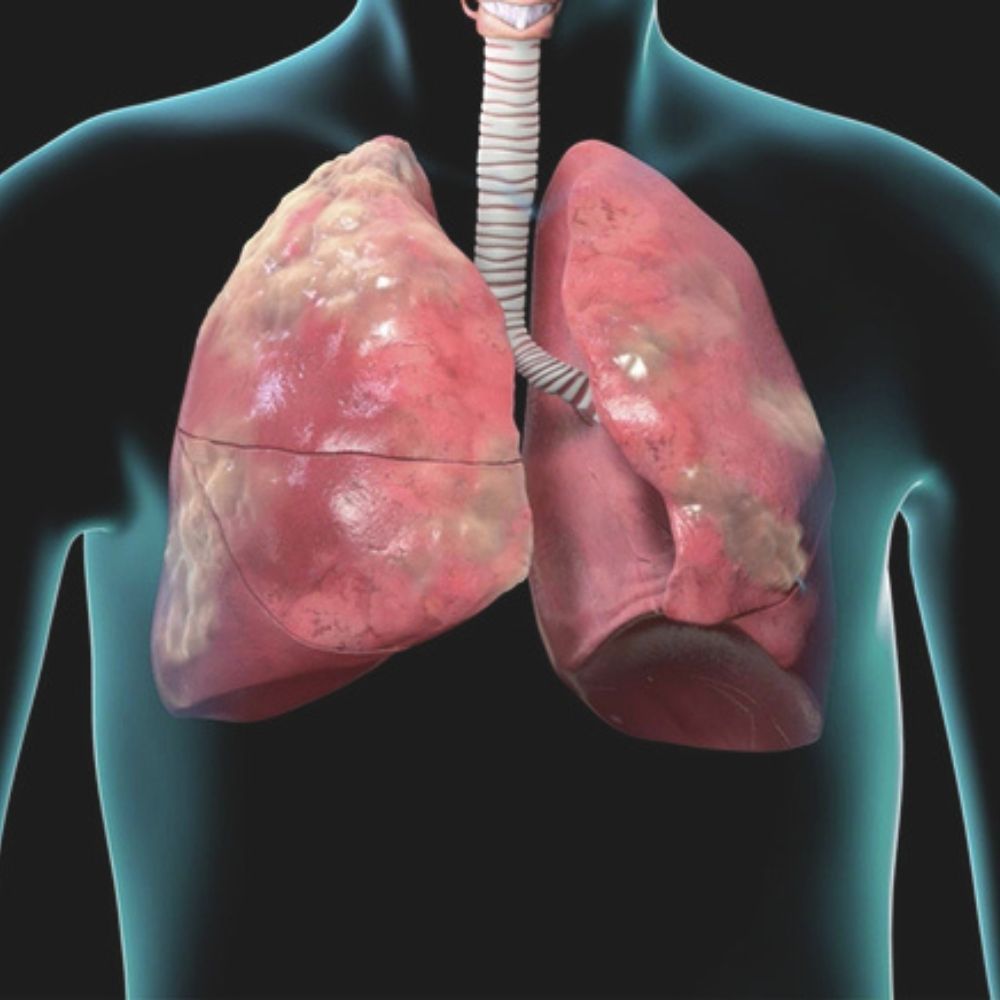
COPD is staged by spirometry-measured airflow limitation and symptom burden. Accurate diagnosis distinguishes COPD from asthma, determines the degree of irreversible airflow obstruction, and guides treatment intensity. Dr. Akers coordinates spirometry and interprets results in the context of your symptoms and functional limitations.
COPD exacerbations accelerate lung function decline and increase hospitalization risk. Dr. Akers manages exacerbation risk through optimized maintenance therapy, prompt treatment of respiratory infections, smoking cessation support, and appropriate vaccination.
A written asthma action plan describes exactly what medications to take, when to take them, and when to seek emergency care based on your symptom level. Dr. Akers develops individualized action plans for asthma patients that remove uncertainty during acute episodes and reduce emergency department visits.
Pulmonary rehabilitation is one of the most effective interventions for COPD, improving exercise capacity, quality of life, and exacerbation frequency. Dr. Akers refers appropriate COPD patients for pulmonary rehabilitation and coordinates with the rehab team to support the program goals.
Smoking cessation is the single most important intervention for slowing COPD progression. Dr. Akers provides counseling, pharmacotherapy with varenicline or bupropion, nicotine replacement therapy, and ongoing support to help patients successfully quit.
The majority of asthma and COPD treatment failures are due to incorrect inhaler technique and poor adherence rather than medication failure. Dr. Akers reviews inhaler technique at every visit and simplifies regimens when possible to improve consistent medication use.
Why It Matters Why Consistent Respiratory Management Matters
Dr. Akers providing preventive care
01 Uncontrolled Asthma Has Consequences

Poorly controlled asthma increases the risk of fatal attacks, hospitalization, permanent airway remodeling, and significantly reduced quality of life. Many patients with poorly controlled asthma accept their symptoms as normal when they are not. Dr. Akers evaluates your level of control honestly and adjusts therapy until symptoms are genuinely well-managed.

02 COPD Progression Can Be Slowed

While lost lung function in COPD cannot be restored, the rate of progression can be significantly slowed with optimized treatment and smoking cessation. Earlier intervention preserves more functional capacity. Dr. Akers monitors your lung function trajectory and acts proactively when decline accelerates.

03 Flares Are Often Preventable

The majority of asthma and COPD exacerbations are triggered by identifiable factors that can be anticipated and managed. Dr. Akers builds a proactive management plan that reduces your exacerbation frequency rather than simply treating each episode after it occurs.

Pap smear and cervical health screening
Asthma vs. COPD Two Different Conditions, Two Different Approaches

Asthma involves reversible airway inflammation that typically responds fully to bronchodilators and anti-inflammatory treatment. It often begins in childhood or early adulthood and has episodic symptoms. COPD involves irreversible airflow obstruction primarily from smoking-related damage and produces progressive, continuous symptoms.

The distinction matters because treatments differ significantly. Some medications appropriate for one condition are less effective for the other. A patient can also have both conditions simultaneously, which requires a nuanced approach. Dr. Akers diagnoses accurately and treats accordingly rather than applying a generic respiratory protocol.

Vaccines and immunizations at Superior Health Medical
Respiratory Management What Good Respiratory Control Actually Looks Like

Well-controlled asthma means no daytime symptoms more than twice per week, no nighttime awakenings, no limitations on normal activity, and reliever inhaler use less than twice per week. If you are using your rescue inhaler more frequently, your asthma is not well-controlled regardless of how normal it has come to feel.

Well-managed COPD means minimized symptom burden, preserved exercise capacity, and reduced exacerbation frequency. Dr. Akers sets realistic goals for your specific disease severity and measures success against them at each visit rather than simply maintaining the status quo.

Book Your Respiratory Consultation
Frequently Asked Questions Asthma & COPD
Questions Answered
Asthma involves reversible airway inflammation that typically responds fully to treatment and often begins earlier in life. COPD involves irreversible airflow obstruction primarily caused by long-term smoking. Both cause wheeze, shortness of breath, and cough but require different long-term management.
Asthma cannot be cured but it can be very well-controlled. Many patients achieve complete symptom control with appropriate treatment and live entirely normal lives without activity limitations. The goal of asthma management is achieving this level of control consistently.
The airflow limitation in established COPD is not fully reversible, but progression can be significantly slowed with treatment and smoking cessation. Lung function that has been lost cannot be restored, but with optimal management patients can maintain functional capacity and prevent rapid acceleration of decline.
Common triggers include allergens (pollen, dust mites, pet dander, mold), respiratory infections, exercise, cold air, smoke, air pollutants, aspirin or NSAIDs in some patients, and emotional stress. Triggers are highly individual. Dr. Akers helps identify your specific triggers and develops management strategies.
A rescue inhaler provides rapid bronchodilation during acute symptoms but does not treat underlying inflammation. A controller inhaler reduces airway inflammation when taken daily and prevents symptoms from occurring. Using a rescue inhaler more than twice per week indicates inadequate control that warrants controller therapy.
Cigarette smoking is responsible for approximately 85 to 90 percent of COPD cases. Long-term exposure to occupational dust and chemical fumes also contributes. Quitting smoking is the single most effective intervention for slowing COPD progression regardless of how far the disease has already advanced.
Spirometry is a breathing test measuring how much air you can inhale and exhale and how quickly you can exhale. It is the gold standard for diagnosing asthma and COPD, staging COPD severity, and monitoring lung function over time. Dr. Akers orders spirometry as part of the initial respiratory evaluation and at regular intervals.
Yes, and exercise is strongly recommended for both conditions. Regular aerobic exercise improves cardiovascular fitness and quality of life in COPD. For asthma patients with exercise-induced symptoms, pre-treatment with a rescue inhaler and optimized controller therapy typically allows full participation.
Annual influenza vaccination is strongly recommended for all asthma and COPD patients. Pneumococcal vaccination is recommended for COPD patients and adults with moderate to severe asthma. COVID-19 vaccination is also recommended, as respiratory infections are leading triggers of exacerbations.
Seek emergency care for severe shortness of breath at rest, inability to complete a sentence, rapid worsening not responding to rescue inhaler, bluish coloration of lips or fingertips, or confusion. Dr. Akers provides written action plans that define specific thresholds for emergency care.
Pulmonary rehabilitation is a supervised exercise and education program that significantly improves exercise capacity, reduces breathlessness, and improves quality of life in COPD. It is one of the most evidence-based interventions in COPD management and is underutilized relative to its demonstrated benefit.
Asthma and COPD management visits, spirometry, and most maintenance inhalers are covered by insurance. Biological therapies for severe asthma require prior authorization. Dr. Akers handles prior authorizations and can identify lower-cost effective alternatives when cost is a barrier.