PRP Blood
Facial Treatment
Your biology, amplified.

Physician-administered platelet-rich plasma facial treatment that delivers concentrated growth factors into the skin to stimulate deep collagen production, improve texture, and achieve comprehensive skin renewal from within.

Book an Appointment


Florida Insurances
Georgia Insurances
New York Insurances
South Carolina Insurances
North Carolina Insurances
Beyond the Name, Into the Science Concentrated Growth
Factors for Your Face

The PRP blood facial, sometimes called the vampire facial, involves applying platelet-rich plasma prepared from your own blood directly to the skin, typically during or after microneedling. The microneedling creates micro-channels in the dermis through which the PRP is absorbed at depth, delivering the platelet growth factors directly to the fibroblasts and other dermal cells responsible for collagen production. The result is a skin renewal process driven entirely by your own biology, amplified by the concentrated growth factor delivery.

At Superior Health Medical and Wellness, Dr. Akers performs PRP facial treatment with physician-grade microneedling protocols and carefully prepared PRP that is processed to maximize platelet concentration. The combination produces comprehensive skin improvements including increased collagen and elastin density, improved skin texture and tone, reduced fine lines, tightened pores, and an overall improvement in skin quality that develops progressively over two to three months after each session.

Book Your Appointment
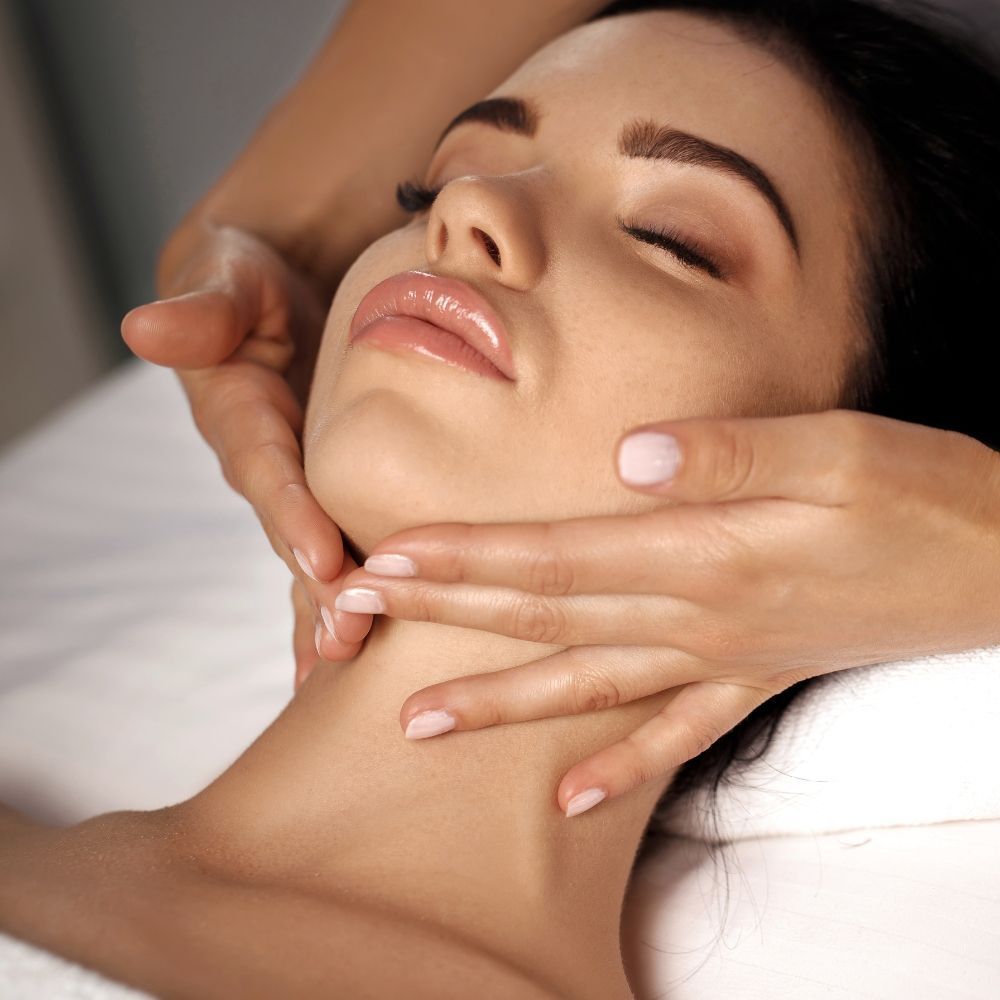
PRP blood facial treatment at Superior Health Medical and Wellness
PRP Blood Facial Services What We Provide

From the classic microneedling PRP facial to targeted PRP treatments for specific skin concerns and combination regenerative protocols, Superior Health provides physician-administered PRP facial treatments. Explore the services below.

The core PRP blood facial treatment combines physician-grade microneedling with topically applied PRP that is absorbed through the micro-channels into the dermis. Microneedling provides the wound stimulus and the channels for PRP delivery, while the PRP amplifies the collagen response and delivers growth factors that accelerate and enhance the regenerative process. The combination produces significantly better skin renewal outcomes than either treatment used independently.
PRP can be administered as a series of intradermal facial injections rather than topically, delivering growth factors directly and precisely to specific treatment areas. Injectable PRP is particularly effective for treating fine lines, deep creases, hollow areas under the eyes, and zones of skin laxity that benefit from concentrated, focal growth factor delivery. The injection technique allows Dr. Akers to place PRP at exact depths and locations for targeted facial renewal.
The periorbital area is one of the most challenging zones for skin rejuvenation because the skin is exceptionally thin, sensitive, and prone to showing aging signs including fine lines, hollowness, dark circles, and creepiness. PRP injections in the periorbital area improve local tissue quality, stimulate collagen production in the thin under-eye skin, and can improve the appearance of dark circles that are related to skin transparency and laxity rather than pigmentation.
PRP applied during or immediately after microneedling dramatically enhances acne scar remodeling outcomes. The growth factors in PRP direct the new collagen produced in response to microneedling toward a more organized structure, producing better scar filling and surface normalization than microneedling alone. Dr. Akers adjusts microneedling depth and needle selection for scar treatment and uses the PRP to amplify the remodeling response at each session.
Patients with enlarged pores, uneven skin texture, rough surface quality, or dull and lackluster tone respond well to a series of PRP facial treatments. The growth factors in PRP improve epidermal cell turnover, enhance collagen density in the upper dermis, and promote the production of hyaluronic acid by fibroblasts, collectively improving the surface quality, hydration, and luminosity of the skin over a series of sessions.
Combining PRP with PDRN (polynucleotide) treatment creates a comprehensive facial regeneration protocol that addresses skin renewal at both the growth factor level (PRP) and the receptor activation and anti-inflammatory level (PDRN). The two treatments are complementary and synergistic: PRP provides the growth factor concentration, while PDRN adds A2A receptor activation, anti-inflammatory benefits, and DNA building blocks for cellular repair. Dr. Akers designs combination protocols for patients seeking the most comprehensive facial regeneration available.
Why It Matters Biological Renewal
Without Compromise
PRP blood facial results at Superior Health Medical
01 It Uses Your Own Biology, Not Synthetic Chemicals

PRP is derived entirely from your own blood and contains only the biological components your platelets naturally carry. There are no synthetic chemicals, foreign proteins, or immune-stimulating substances. The treatment works by amplifying processes your own tissue repair biology already knows how to perform. This makes the PRP facial one of the most biocompatible and naturally aligned skin renewal treatments available.

02 The Growth Factors Reach the Dermis Where Change Happens

Most topical skincare products, including those marketed as containing growth factors, cannot penetrate the epidermis to reach the dermis where collagen is produced. PRP delivered via microneedling channels bypasses the epidermal barrier and delivers concentrated growth factors directly to the fibroblasts in the dermis. The biological impact at the dermal level is orders of magnitude greater than what topical application alone can achieve.

03 Results Continue Developing for Months

The skin renewal stimulated by a PRP facial session continues for two to three months after the treatment as new collagen matures and remodeling progresses. This means the best results from each session are seen weeks to months later, not immediately after treatment. Understanding this timeline helps patients appreciate that the progressive improvement they see over weeks is the treatment working as intended, not a sign of delayed effect.

Superior Health Medical & Wellness
Your Blood.
Your Best Skin.

Concentrated growth factors from your own platelets delivered into the skin through microneedling channels, triggering deep collagen remodeling and genuine tissue renewal.

Book a Consultation
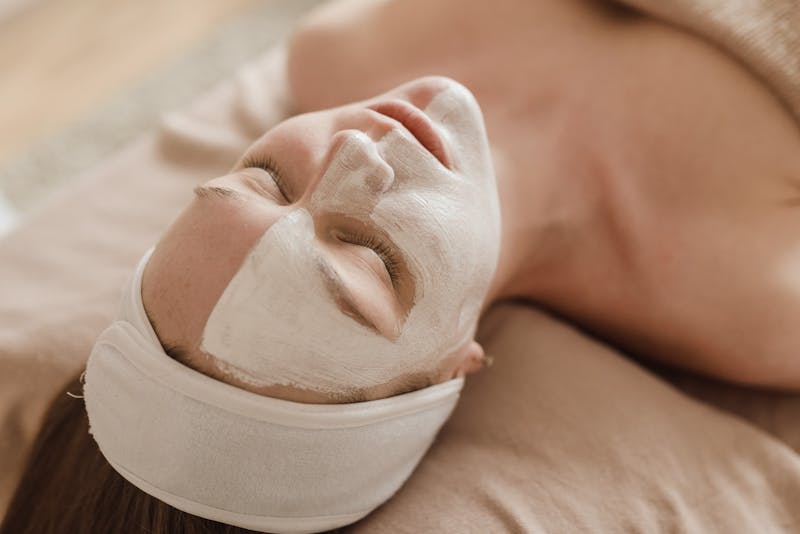
PRP facial skin renewal science at Superior Health Medical
The Science How PRP Renews
Facial Skin

When PRP is delivered into the dermis through microneedling channels, the concentrated platelets begin releasing their alpha granule contents within minutes of activation. The released growth factors bind to receptors on fibroblasts, the dermal cells responsible for producing collagen, elastin, and hyaluronic acid. PDGF stimulates fibroblast proliferation. VEGF promotes new blood vessel formation to improve local tissue nutrition. TGF-beta regulates collagen synthesis and organization. EGF promotes epidermal cell proliferation and skin surface renewal.

The simultaneous stimulation of multiple growth factor pathways produces a comprehensive tissue response that improves skin at multiple levels: increased collagen density in the reticular dermis improves firmness and reduces fine lines; improved papillary dermis quality improves surface texture; enhanced epidermal renewal improves tone and radiance; and improved microvascular density improves skin nutrition and color.

The microtrauma from microneedling adds an additional collagen-stimulating signal to the PRP growth factor response. The two mechanisms are synergistic: the wound response from microneedling creates a primed environment in which the PRP growth factors produce a more vigorous and complete tissue repair response than they would in uninjured skin. This synergy is why the combination consistently outperforms either treatment used alone.

PRP blood facial experience at Superior Health Medical and Wellness
Your Treatment The PRP Facial
Experience, Step by Step

Your PRP facial begins with a blood draw followed by centrifuge processing to prepare the PRP. While the PRP is being prepared, topical numbing cream is applied to your face for 30 to 45 minutes. Dr. Akers then performs the microneedling treatment, applying the PRP to the skin throughout the procedure to allow continuous absorption through the active micro-channels. Additional PRP may be applied topically and massaged in after the microneedling pass.

The treatment takes approximately 60 to 90 minutes from blood draw to completion. Post-treatment redness and mild swelling are typical and resolve within 24 to 48 hours. The skin may feel dry and tight for a few days as the surface layer heals. Mineral SPF is applied immediately after treatment. Most patients return to normal social activities within two to three days. A standard series consists of three sessions spaced four to six weeks apart.

Schedule Your PRP Blood Facial Consultation
Frequently Asked Questions Your Questions,
Answered
The name comes from the visual appearance during the procedure: after microneedling, the PRP, which is golden-amber in color, is applied to the skin alongside the pinpoint bleeding from the micro-channels, producing the striking appearance that inspired the popular name. The dramatic visual appearance is simply a normal part of the procedure and is not a sign of any complication. The treatment was nicknamed the "vampire facial" in celebrity culture but its clinical name is PRP facial rejuvenation.
Growth factor serums applied to intact skin cannot penetrate the epidermis to reach the dermis where fibroblasts are located. Even with carrier systems, topical delivery of large protein molecules like PDGF and VEGF to dermal depth is negligible. PRP delivered through microneedling channels bypasses the epidermal barrier and delivers growth factors at dermal depth where they can directly activate fibroblasts. The biological impact is fundamentally different in scale and mechanism.
A standard series of three sessions spaced four to six weeks apart produces meaningful improvement in skin quality for most patients. Patients with more significant skin quality concerns, acne scarring, or photoaging may benefit from four to six sessions. Maintenance sessions every six to twelve months sustain the skin quality improvements achieved during the initial series.
The PRP facial improves a broad range of skin quality concerns including fine lines and early wrinkles, enlarged or congested pores, uneven skin texture and tone, dullness and loss of radiance, acne scarring (atrophic), early skin laxity, and general skin quality decline from photoaging or environmental exposure. It produces comprehensive improvement rather than targeted improvement of a single concern.
With topical numbing cream applied before treatment, the PRP facial is well tolerated. The microneedling component produces a mild sandpaper-like sensation that most patients find comfortable with adequate numbing. Areas of the face with thinner skin, such as around the eyes and lips, are more sensitive but receive appropriate numbing. The blood draw is the same as a standard lab draw and is minimally uncomfortable.