Treatment Clear skin from the inside out.
Medical treatment for persistent or cystic acne including topical prescriptions, oral medications, hormonal evaluation, and personalized skincare guidance based on your skin type and the root cause of your breakouts.
Book an Appointment








Acne is not just a cosmetic concern. Persistent or cystic acne causes scarring, affects mental health and self-confidence, and is often a sign of underlying hormonal or inflammatory factors that deserve clinical attention. At Superior Health Medical & Wellness, Dr. Akers evaluates acne as the medical condition it is, identifying what is driving your breakouts and building a treatment plan that actually clears your skin.
Whether you have been managing acne with over-the-counter products without satisfactory results, have adult acne that developed or persisted after your teens, or have cystic acne that is causing scarring, Dr. Akers provides thorough clinical evaluation and prescription-strength treatment options that produce real improvement.
Book an Acne Consultation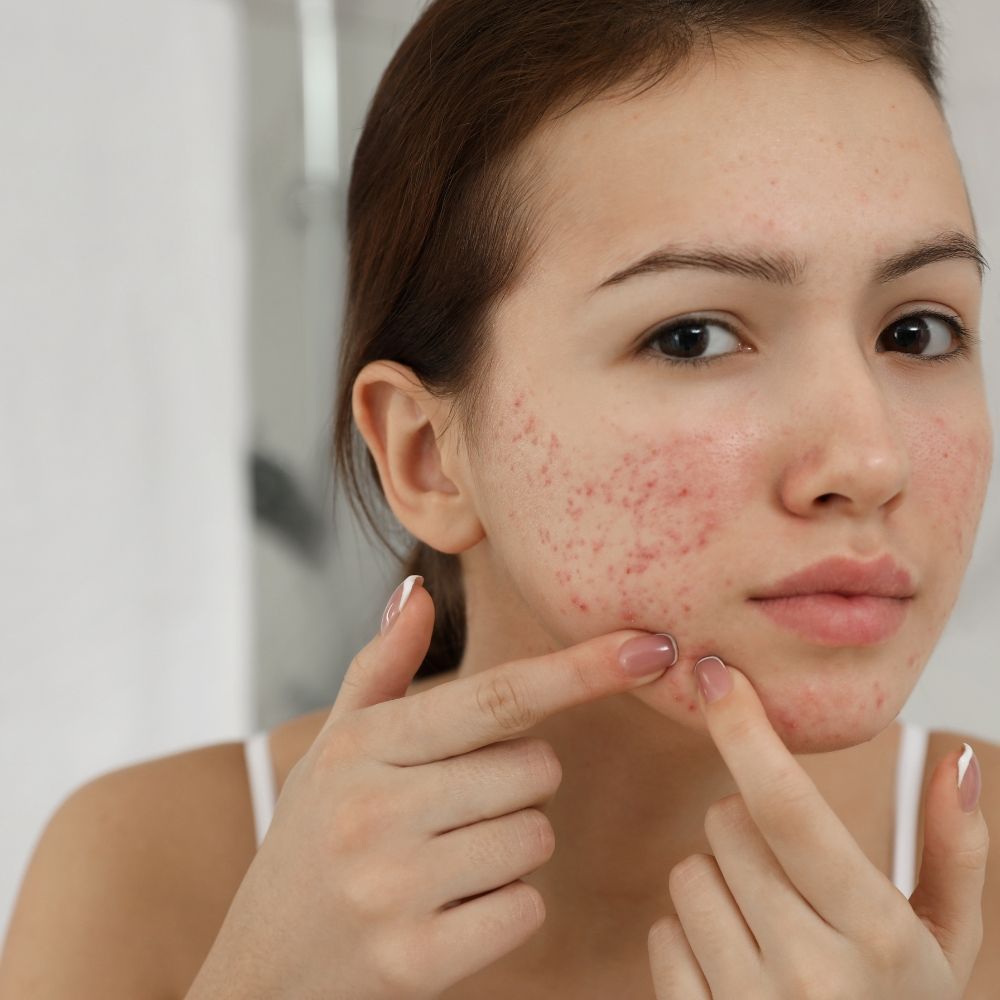
Acne treatment at Superior Health is individualized and medically grounded. Dr. Akers identifies the type of acne you have, evaluates hormonal and inflammatory contributing factors, and builds a treatment plan calibrated to your skin and situation.
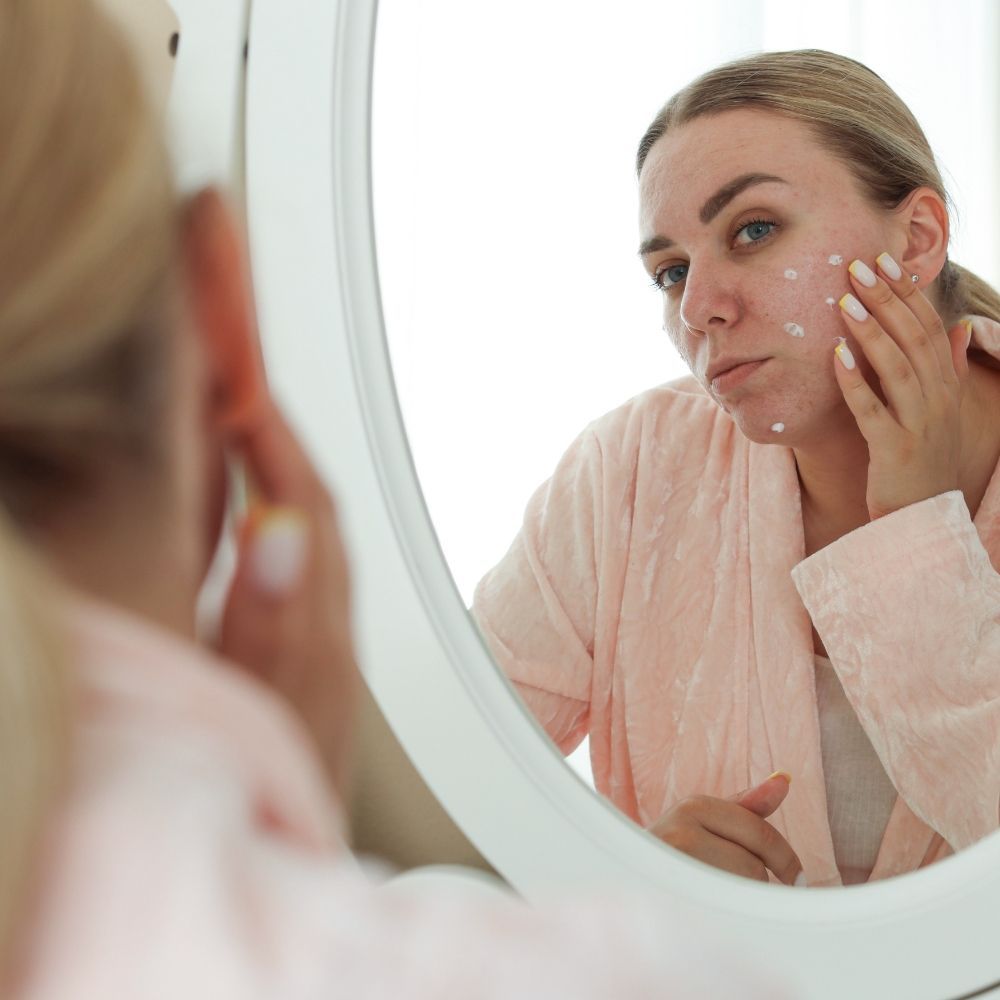
The ingredients available over the counter are significantly less potent than prescription options. Tretinoin, spironolactone, and oral antibiotics require a physician. Many patients spend years and considerable money on products that produce minimal results when prescription treatment would have cleared their skin in months.
Every cystic or deep inflammatory acne lesion carries a risk of permanent scarring. Treating acne effectively before scarring occurs is far simpler than treating scars afterward. Dr. Akers evaluates severity and acts quickly when the pattern suggests scarring risk.
Adult female acne along the jawline and chin is driven by hormonal factors that topical products and antibiotics cannot adequately address. Hormonal treatments including spironolactone target the root cause and produce more consistent and lasting results.
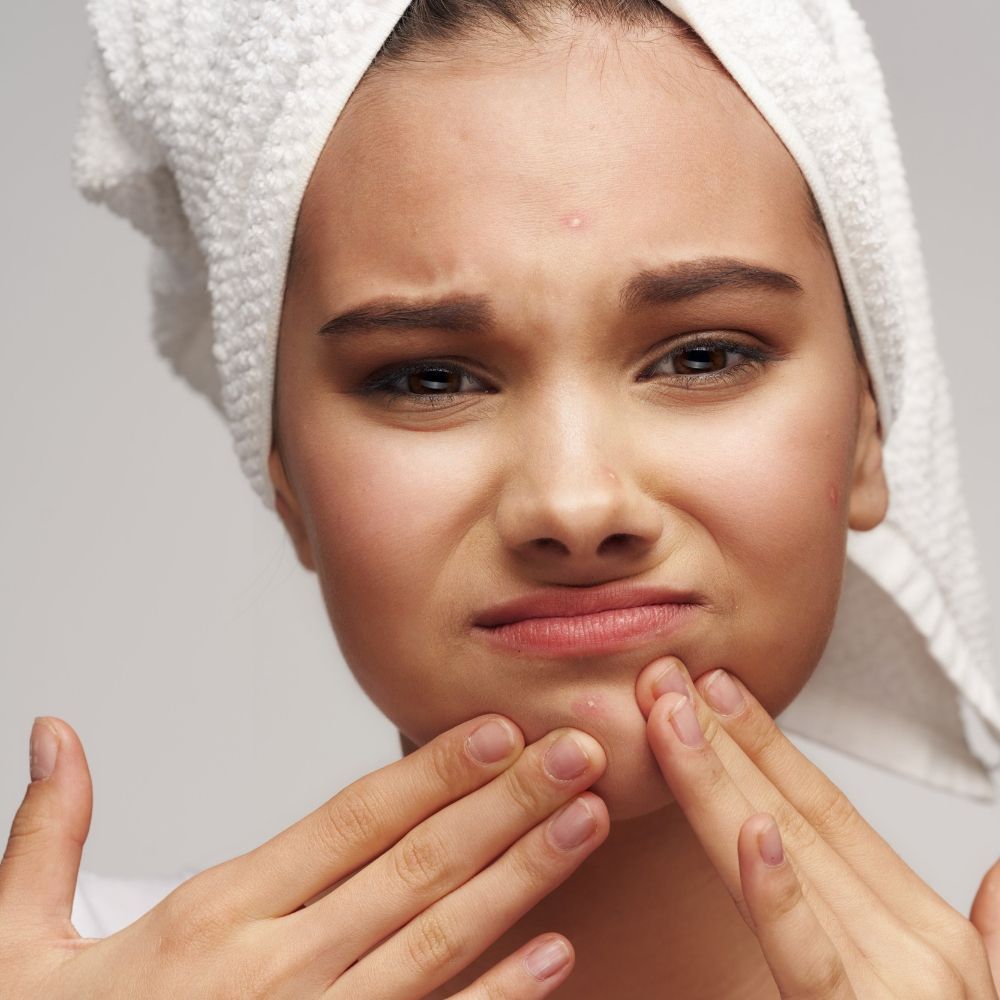
Acne forms when hair follicles become clogged with sebum and dead skin cells, creating an environment where bacteria proliferate and trigger inflammation. Factors that increase sebum production, accelerate skin cell turnover, or heighten the inflammatory response all worsen acne.
Androgens drive sebum production, which is why hormonal changes during puberty, the menstrual cycle, and perimenopause affect acne severity. Insulin and IGF-1 signaling from high-glycemic diets also stimulate sebum production. Dr. Akers evaluates all of these contributors when building your treatment plan.

Acne treatment takes time. Most prescription topical regimens show initial improvement at six to eight weeks and maximum effect at three to four months. Oral antibiotics typically show results within four to six weeks. Hormonal treatments require two to three menstrual cycles before their full effect is apparent.
Dr. Akers sets realistic expectations about timing at the start of treatment to prevent patients from abandoning effective therapy before it has had time to work. She follows up at appropriate intervals to assess response and adjust the regimen if improvement is not on track.
Book Your Acne ConsultationQuestions Answered