Eczema
Treatment
Calmer skin. Better quality of life.

Individualized management of atopic dermatitis including trigger identification, prescription treatments, skin barrier optimization, and long-term monitoring to reduce flares and protect your skin health over time.

Book an Appointment


Florida Insurances
Georgia Insurances
New York Insurances
South Carolina Insurances
North Carolina Insurances
Managing Eczema Medically Eczema Care That Actually Controls Flares

Atopic dermatitis significantly impacts quality of life through itching, discomfort, sleep disruption, and the psychological burden of unpredictable flares. At Superior Health Medical & Wellness, Dr. Akers evaluates your eczema comprehensively, identifies your personal triggers, optimizes your skin barrier management, and builds a treatment plan that reduces flare frequency and severity over the long term.

Whether you have mild eczema that flares seasonally or severe atopic dermatitis that disrupts your daily life and sleep, Dr. Akers provides ongoing medical management that goes beyond a tube of hydrocortisone cream and a recommendation to use unscented soap.

Book an Eczema Consultation
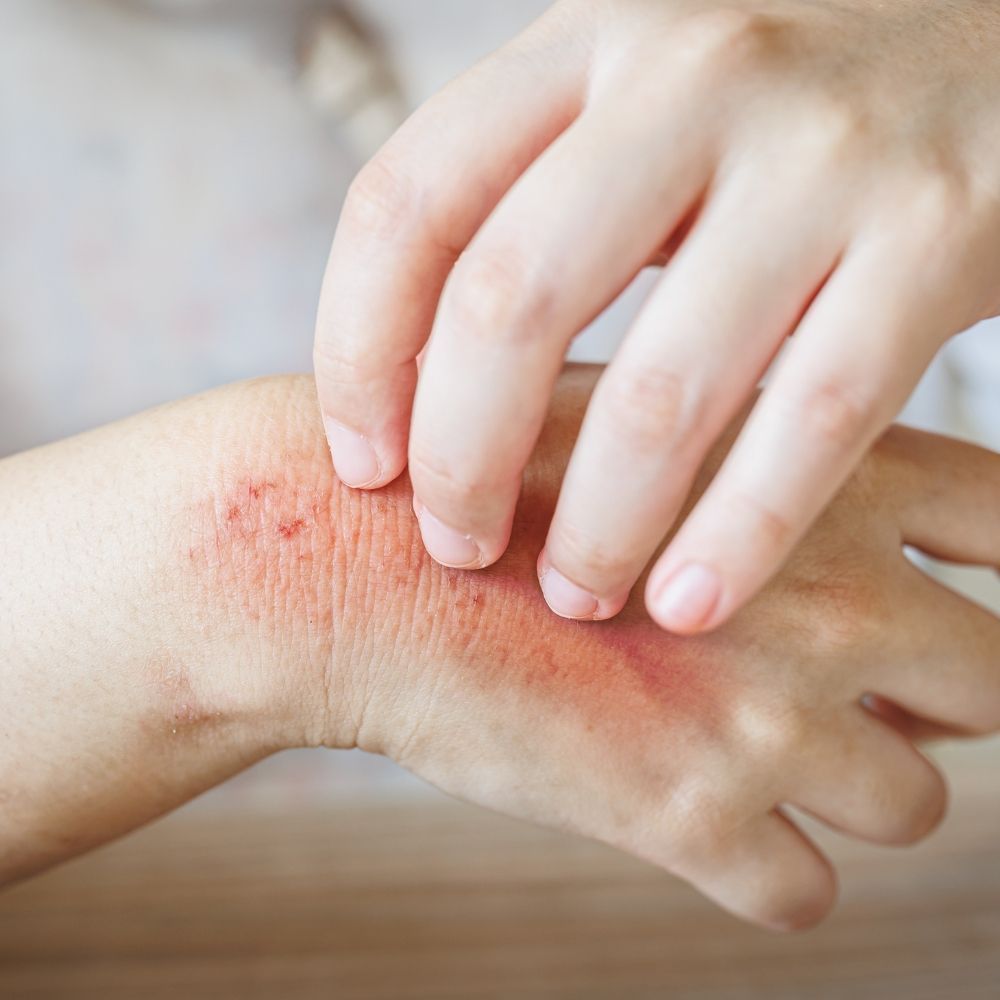
Eczema Treatment at Superior Health
Eczema Treatment What We Evaluate and Treat

Eczema management at Superior Health is comprehensive and ongoing. Dr. Akers addresses every dimension of your condition from trigger identification to prescription treatment and skin barrier support.
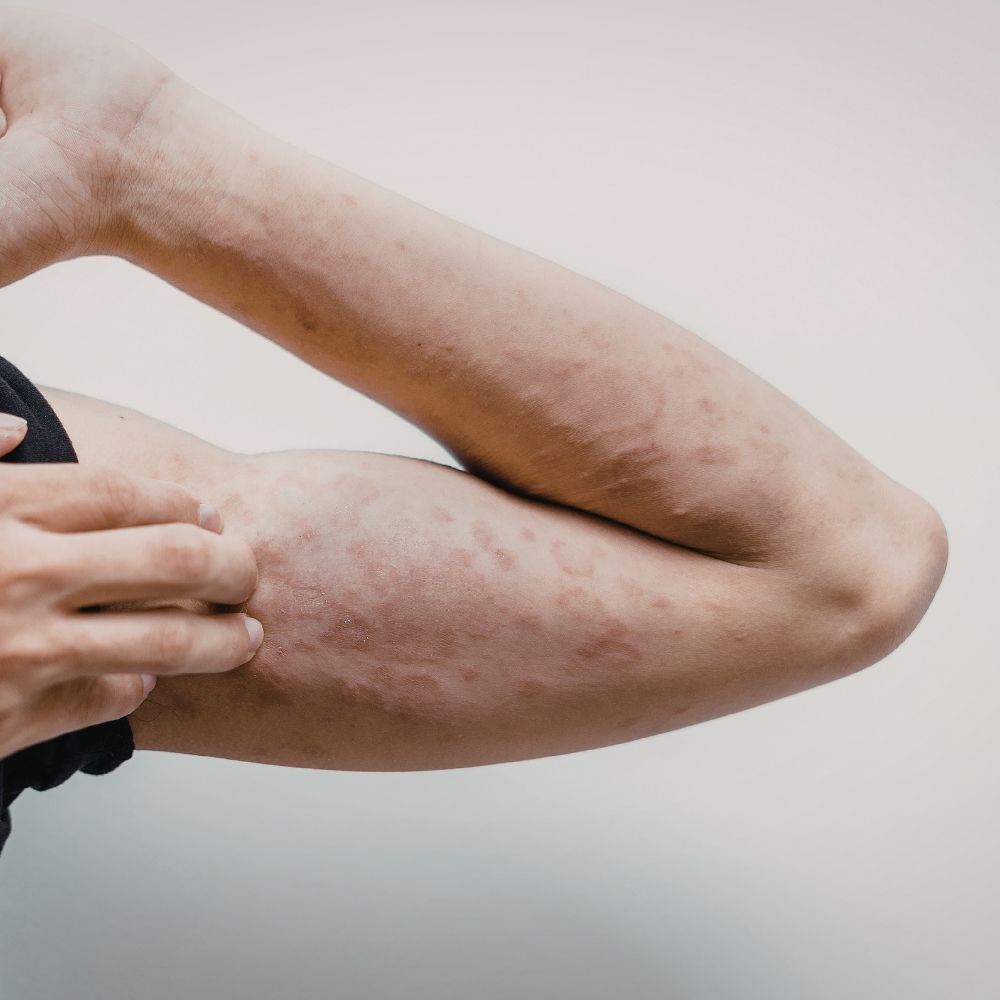
Atopic dermatitis is classified by severity. Dr. Akers characterizes your eczema pattern, distribution, and associated conditions including allergic rhinitis and asthma, and distinguishes atopic dermatitis from contact dermatitis, seborrheic dermatitis, and psoriasis.
Common eczema triggers include dry skin, heat and sweating, rough fabrics, soap and detergent residues, stress, and environmental allergens. Dr. Akers helps identify your personal trigger profile and develops practical avoidance strategies.
A compromised skin barrier is the fundamental defect in atopic dermatitis. Restoring and maintaining it through consistent moisturization is the cornerstone of eczema management. Dr. Akers provides specific guidance on moisturizer selection, application technique, and bathing practices.
Topical corticosteroids are the most widely used anti-inflammatory treatment for eczema flares. Dr. Akers selects the appropriate potency and vehicle for the affected body area and severity, and educates on correct application technique and duration.
Topical calcineurin inhibitors including tacrolimus and pimecrolimus provide non-steroidal anti-inflammatory options for sensitive areas including the face and skin folds where long-term steroid use carries higher risk.
Systemic medications including oral corticosteroids for short-term flare management can be used for severe or refractory eczema. Dr. Akers uses these agents judiciously with appropriate monitoring when higher-intensity treatment is needed.
Wet wrap therapy uses damp bandages over topical medications or moisturizer to hydrate the skin intensively during severe flares. Dr. Akers teaches the technique and guides appropriate use for patients with frequent severe flares.
Staphylococcus aureus colonization triggers and perpetuates inflammation and predisposes to secondary bacterial infections. Dr. Akers evaluates for superinfection when eczema is particularly severe, treats confirmed infections promptly, and discusses dilute bleach bath protocols for patients with recurrent infections.
Chronic eczema significantly impacts psychological wellbeing, with rates of anxiety and depression substantially higher than in the general population. Dr. Akers addresses mental health as an integral part of eczema management.
Why It Matters Why Eczema Needs Ongoing Medical Management
Dr. Akers providing preventive care
01 Eczema Is Chronic, Not Episodic

Eczema is a chronic inflammatory condition requiring ongoing management. Patients who only treat active flares accumulate subclinical inflammation that perpetuates the cycle. Proactive maintenance therapy reduces flare frequency and severity over time.

02 The Skin Barrier Is the Foundation

The fundamental defect in atopic dermatitis is a compromised skin barrier. Without consistent barrier restoration through moisturization, no amount of anti-inflammatory treatment produces sustained improvement. Dr. Akers places skin barrier management at the center of every eczema care plan.

03 Biologics Have Changed Severe Eczema Management

Dupilumab produces dramatic, sustained improvement in patients with moderate to severe eczema who have lived with poorly controlled disease for years. It has transformed the outlook for this population.
Pap smear and cervical health screening
Understanding Eczema Why Eczema Flares and Spreads

Atopic dermatitis involves a deficiency in skin barrier proteins that normally keep the skin hydrated and protective. This barrier defect allows irritants and allergens to penetrate the skin, triggering an immune response. The resulting inflammation damages the barrier further, creating a self-perpetuating cycle.

The itch-scratch cycle is central to eczema pathology. Scratching provides temporary relief but further damages the skin barrier, introduces bacteria, and perpetuates inflammation. Breaking this cycle through anti-inflammatory treatment, barrier restoration, and management of nighttime itching is essential.

Vaccines and immunizations at Superior Health Medical
Eczema Management What Effective Eczema Control Looks Like

Effective eczema management means fewer and less severe flares, longer periods of clear skin, less sleep disruption from itching, and a stable skin barrier through consistent moisturization. Dr. Akers monitors your eczema at regular follow-up visits and adjusts treatment based on your current control level.

Dr. Akers proactively escalates therapy when your pattern suggests inadequate control rather than waiting for a severe flare to prompt a change. Ongoing management produces better outcomes than reactive treatment.

Book Your Eczema Consultation
Frequently Asked Questions Eczema
Questions Answered
Atopic dermatitis is caused by genetic predisposition, immune system dysregulation, and environmental triggers. It commonly runs in families alongside allergic rhinitis and asthma. It is not caused by poor hygiene.
No. Eczema is not contagious in any form. It cannot be transmitted through skin contact.
Common triggers include dry skin, heat and sweating, scratchy fabrics, fragranced soaps and detergents, stress, dust mites, pet dander, and changes in temperature or humidity. Individual triggers vary significantly.
Thicker formulations including creams and ointments are generally more effective than lotions. Fragrance-free, dye-free products are preferred. Application immediately after bathing while skin is still slightly damp maximizes hydration.
Topical corticosteroids are safe when used correctly for appropriate durations and strengths. Side effects occur primarily with prolonged use of high-potency steroids on thin-skinned areas. Dr. Akers selects appropriate potencies and educates on proper use patterns.
Dupilumab is an injectable biologic that blocks the IL-4 and IL-13 signaling driving atopic dermatitis inflammation. Given every two to four weeks, it produces dramatic and sustained clearance in most patients with moderate to severe eczema.
Eczema cannot be cured but can be very well-controlled. Many children have significant improvement by adulthood. Modern treatments including biologics can achieve near-complete clearance in many adults with severe eczema.
Dietary triggers are more common in children than adults, with egg, milk, peanut, wheat, and soy being most commonly implicated. In adults, dietary triggers are less common but still relevant for some patients.
Contact dermatitis is skin inflammation caused by direct contact with an irritant or allergen. Unlike atopic dermatitis, which is driven by intrinsic immune dysregulation, contact dermatitis is caused by a specific external substance. The two can coexist.
The itch in atopic dermatitis is driven by inflammatory mediators including IL-31 that activate itch-sensing nerve fibers. The compromised skin barrier also allows irritants to reach nerve endings. Dupilumab significantly reduces itch by targeting the inflammatory pathway.
Yes, severely. Nocturnal itching is a major driver of sleep disruption in eczema, with cascade effects on mood, immune regulation, and quality of life. Managing nighttime itching is an important component of eczema management.
Yes. Atopic dermatitis is part of the atopic march: eczema in infancy, followed by food allergies, allergic rhinitis, and finally asthma. Many patients with atopic dermatitis have one or more of these coexisting conditions.