Minor Injuries
& Sprains
Treated right. Recovered faster.

On-site evaluation and targeted treatment for sprains, strains, minor fractures, and soft tissue injuries without the ER wait or the ER bill.

Book an Appointment


Florida Insurances
Georgia Insurances
New York Insurances
South Carolina Insurances
North Carolina Insurances
Evaluated. Treated. On the Mend. Injuries That Need
More Than Ice

A sprain, strain, or minor injury can happen fast and sideline you before you even know what you did. Whether it is a twisted ankle, a pulled muscle, a knee injury from a sport or a fall, or pain that simply does not feel right, you need someone who can evaluate it properly, not just tell you to put ice on it and rest.

At Superior Health Medical and Wellness, Dr. Akers performs a thorough musculoskeletal evaluation, assesses the severity of your injury, determines whether imaging is needed, and prescribes an appropriate treatment plan that gets you on the right track from day one.

Book Your Appointment
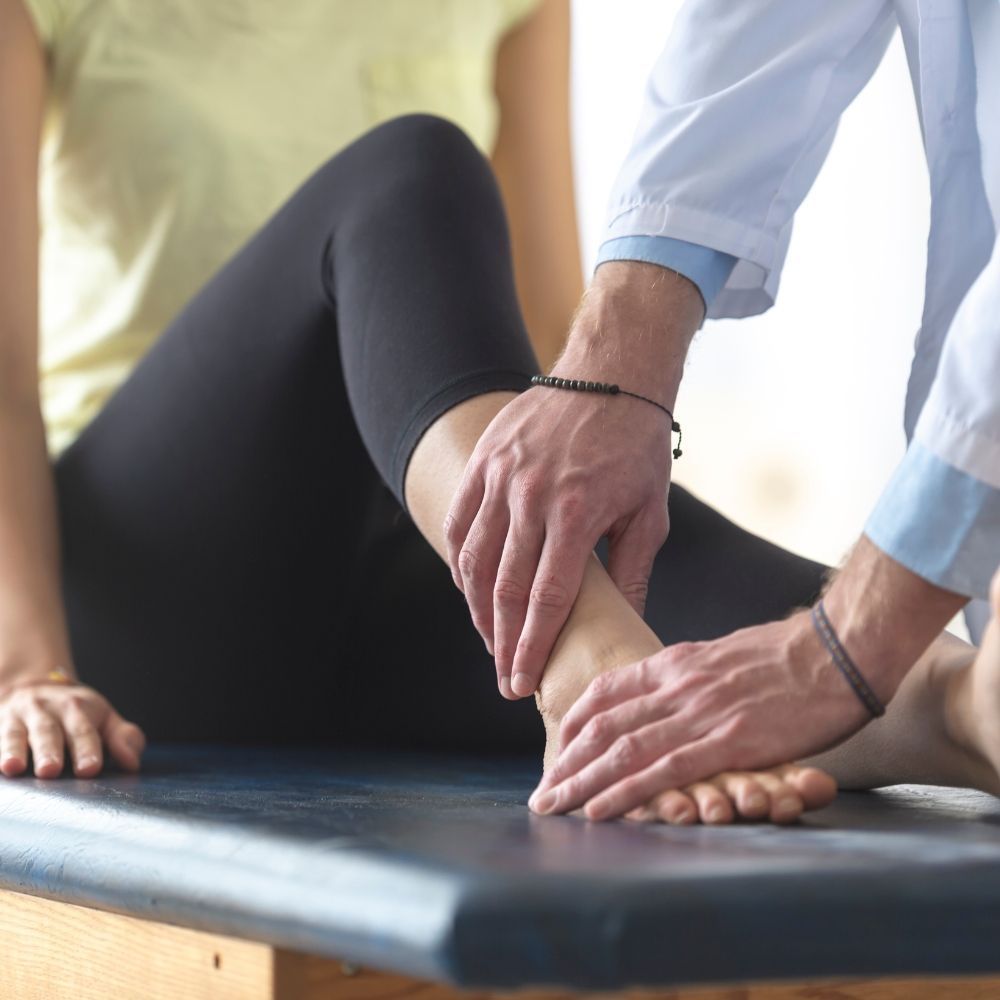
Minor injury and sprain treatment at Superior Health Medical
Minor Injuries & Sprains Services What We Provide

From ankle sprains to muscle strains, minor fractures, and joint injuries, Dr. Akers evaluates and treats the full range of minor orthopedic injuries at Superior Health. Explore the services below.

Dr. Akers performs a comprehensive evaluation of the injured area, assessing range of motion, tenderness, swelling, bruising, instability, and neurovascular status. This hands-on exam guides the diagnosis and determines what additional evaluation or treatment is needed.
When imaging is indicated to rule out fracture, Dr. Akers coordinates same-day or next-day X-ray referral so you know whether your injury involves a broken bone before leaving the office. She reviews the results and adjusts your treatment plan accordingly.
Sprains involve ligament injury, typically from twisting or overstretching a joint. Strains involve muscle or tendon injury, typically from overuse or sudden force. Dr. Akers grades the severity of the injury, prescribes appropriate pain and anti-inflammatory medications, and provides guidance on activity, bracing, and the expected recovery timeline.
For injuries that require immobilization during the initial healing phase, Dr. Akers can apply appropriate splinting and advise on weight-bearing restrictions. This is particularly important for ankle, wrist, and finger injuries where early immobilization improves healing outcomes.
Severe soft tissue injuries can be extremely painful, particularly in the first 48 to 72 hours. Dr. Akers prescribes appropriate pain management when over-the-counter options are insufficient, so you can manage the initial acute phase of injury without unnecessary suffering.
When imaging reveals a fracture, when joint instability suggests a complete ligament tear, or when an injury does not improve appropriately with conservative treatment, Dr. Akers coordinates prompt referral to an orthopedic specialist for further evaluation and management.
Why It Matters Proper Evaluation
Speeds Recovery
Injury evaluation and treatment at Superior Health Medical
01 Fractures Can Mimic Sprains

A fracture and a bad sprain can feel nearly identical in the first hours after an injury. Without imaging, it is impossible to reliably distinguish between them based on pain alone. Getting an X-ray when indicated ensures you are not walking on a fracture or immobilizing unnecessarily, both of which lead to worse outcomes.

02 Incomplete Healing Creates Long-Term Problems

Sprains and strains that are not properly rested, braced, and rehabilitated have a much higher rate of re-injury and chronic instability. Getting the right diagnosis, appropriate immobilization, and a clear recovery timeline from the start significantly reduces the risk of developing a recurring problem in the same joint.

03 Early Treatment Reduces Recovery Time

The inflammatory response is most intense in the first 24 to 72 hours after injury. Starting anti-inflammatory treatment, applying the right level of immobilization, and following evidence-based activity guidelines immediately after injury shortens the total recovery time compared to waiting several days before seeking care.
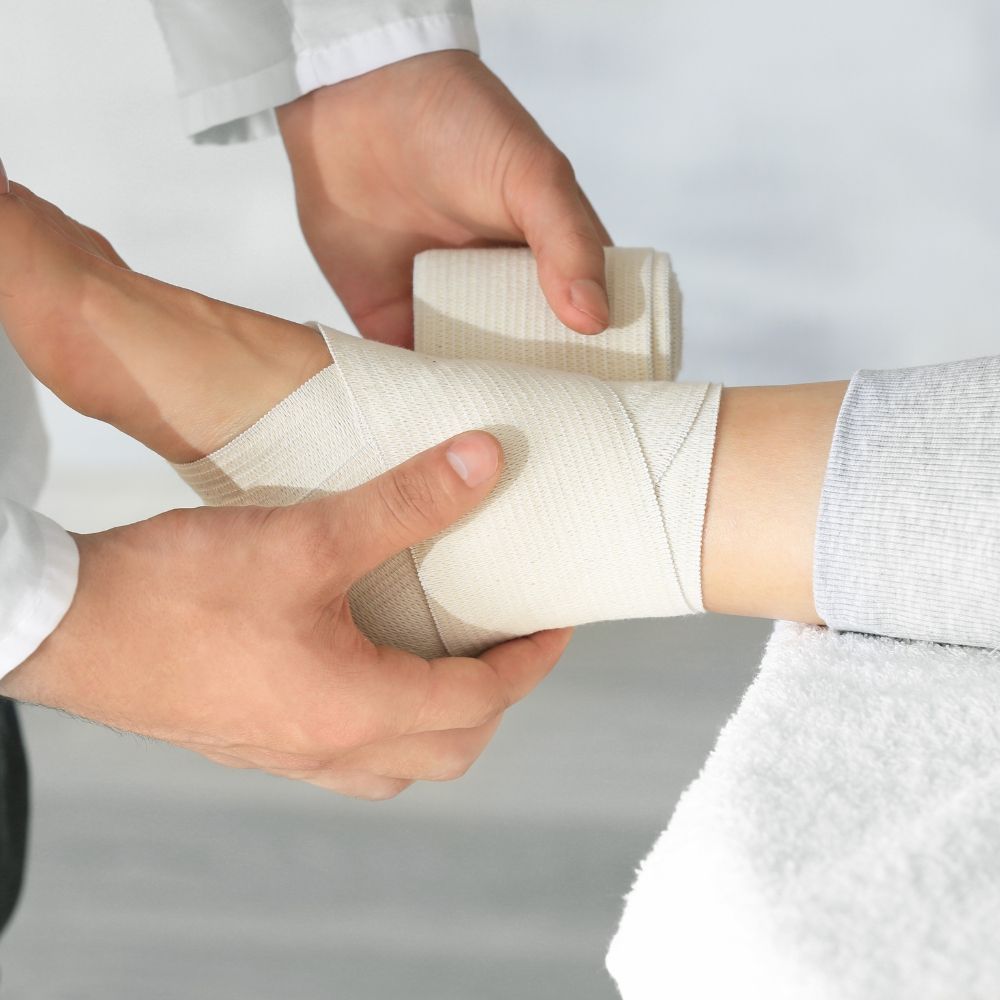
Sprain and strain diagnosis at Superior Health Medical
Sprains vs. Strains vs. Fractures Understanding
Your Injury Type

A sprain is an injury to a ligament, the tough connective tissue that holds joints together. Ankle sprains are the most common, followed by knee and wrist sprains. Sprains are graded on a scale of one to three based on severity, from mild stretching to a complete tear. Most grade one and two sprains are managed conservatively with rest, ice, compression, and elevation alongside anti-inflammatory medications.

A strain is an injury to a muscle or tendon. Hamstring strains, calf strains, and rotator cuff strains are among the most common. Like sprains, strains range from mild to severe and are treated based on grade. Complete muscle or tendon tears may require orthopedic evaluation and possibly surgical repair.

Fractures are breaks in the bone that require imaging to diagnose. Some fractures are obvious, but many, particularly stress fractures and small avulsion fractures, can feel very similar to a bad sprain. Dr. Akers uses clinical criteria such as the Ottawa Ankle and Foot Rules to determine when X-ray is necessary, so you are not ordered imaging you do not need.

Same-day injury care at Superior Health Medical
When to Seek Urgent Care Injury Symptoms That
Warrant Same-Day Evaluation

Any injury involving significant swelling, an inability to bear weight, a visible deformity, numbness or tingling, or a mechanism of injury that involved high force warrants same-day evaluation. These features increase the probability of fracture, nerve injury, or significant ligament disruption that needs to be identified promptly.

Dr. Akers evaluates all injury presentations thoroughly and will escalate your care to the emergency room or arrange orthopedic consultation when the clinical picture requires it. For the majority of minor injuries and sprains, she provides everything you need to start recovering correctly from your very first visit.

Book Your Evaluation
Frequently Asked Questions Your Questions,
Answered
Dr. Akers uses clinical decision tools like the Ottawa Ankle and Foot Rules to determine when imaging is necessary. Generally, an X-ray is indicated when there is bony tenderness at specific locations on the ankle or foot, when you cannot bear weight immediately after the injury and in the office, or when the mechanism of injury involved significant force. She will make this determination at your visit.
It depends on the grade of the sprain. Mild sprains can often bear weight with discomfort. Severe sprains may make weight-bearing too painful or potentially harmful to healing structures. Dr. Akers will assess your specific injury and give you clear guidance on weight-bearing, bracing, and what to expect over the next one to two weeks.
Grade one sprains typically resolve within one to two weeks. Grade two sprains may take three to six weeks. Grade three sprains involving complete ligament tears can take months and may require surgical consultation. Dr. Akers sets realistic expectations based on the severity of your injury and monitors your recovery.
Physical therapy is often recommended for moderate to severe sprains to restore strength, range of motion, and proprioception in the injured joint, which is especially important for preventing re-injury. Dr. Akers will advise you when physical therapy is appropriate and can provide a referral.
Follow the RICE protocol in the first 24 to 48 hours: Rest the injured area, apply Ice for 15 to 20 minutes several times a day, use Compression with an ACE bandage or similar wrap, and Elevate the injured limb above your heart when possible. Dr. Akers will build on this initial management with appropriate medications and activity guidance at your visit.