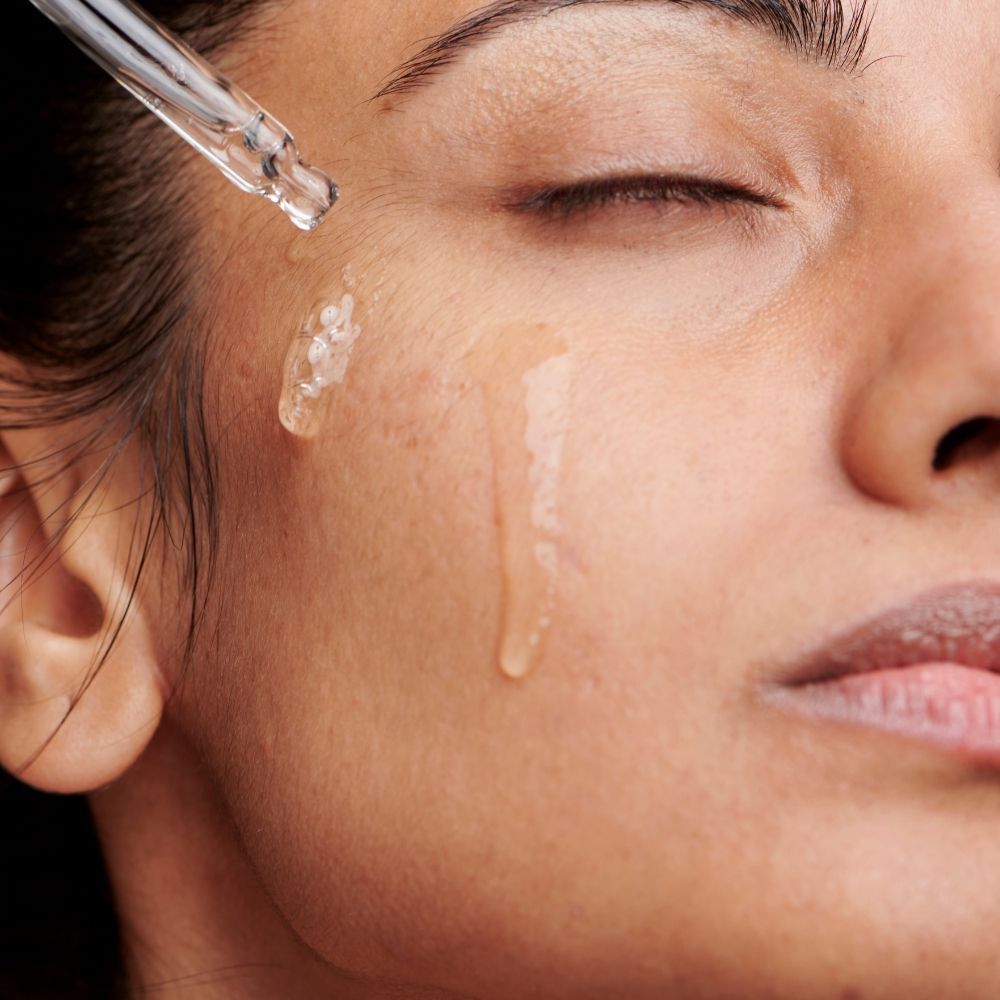
PDRN Skin Therapy Cellular regeneration. Physician precision.

Polydeoxyribonucleotide (PDRN) therapy that activates the skin's cellular repair mechanisms at a molecular level, producing tissue regeneration and rejuvenation that goes beyond what surface treatments achieve.

Book an Appointment


Florida Insurances
Georgia Insurances
New York Insurances
South Carolina Insurances
North Carolina Insurances
The Next Generation of Skin Regeneration Healing Your Skin
From the Inside

Polydeoxyribonucleotide (PDRN) is a biological molecule derived from salmon DNA that has been purified and processed for therapeutic use. PDRN works by activating adenosine A2A receptors in the skin, which triggers a cascade of cellular responses including increased fibroblast proliferation, enhanced collagen and elastin production, improved local circulation, and a reduction in inflammatory cytokines that can impair tissue quality. These combined effects produce genuine tissue regeneration rather than the surface-level changes achieved by most topical treatments.

At Superior Health Medical and Wellness, Dr. Akers administers PDRN therapy as an injectable or topical treatment applied in conjunction with microneedling to maximize dermal penetration. PDRN is particularly valuable for patients with skin that has been damaged by chronic sun exposure, environmental stress, or prior aggressive treatments, and for patients who want a biological regenerative approach to skin quality improvement that works from the cellular level upward.

Book Your Appointment
PDRN skin therapy at Superior Health Medical and Wellness
PDRN Skin Therapy Services What We Provide

From injectable PDRN skin boosters and combined microneedling protocols to targeted PDRN therapy for damaged or sensitive skin, Superior Health provides advanced polynucleotide skin therapy. Explore the services below.

PDRN is administered as a skin booster through multiple small intradermal injections placed in a grid pattern across the treatment area. The intradermal delivery places the PDRN molecules directly in the dermis where they can activate A2A receptors on fibroblasts and endothelial cells. Each injection deposits a small amount of PDRN that creates a local zone of cellular activation, stimulating collagen production, improving hydration, and promoting tissue healing in the surrounding tissue.
Combining PDRN with microneedling creates synergistic enhancement: microneedling provides the wound stimulus that primes the dermis for regeneration, while PDRN amplifies the fibroblast response and provides the molecular building blocks for organized collagen production. PDRN applied topically during microneedling is absorbed through the micro-channels directly into the dermis, achieving deep delivery without injection and producing enhanced results compared to either treatment alone.
Photoaged skin has a depleted dermal collagen matrix, impaired fibroblast function, and altered extracellular matrix composition from chronic UV exposure. PDRN therapy activates the dormant fibroblasts in photoaged skin and stimulates the production of new collagen and extracellular matrix components, addressing the underlying biological dysfunction that drives photoaging rather than just treating its surface manifestations.
PDRN's anti-inflammatory properties and regenerative mechanism make it particularly valuable for patients with sensitive, reactive, or compromised skin that cannot tolerate more aggressive treatments. Because PDRN promotes healing and reduces inflammatory signaling rather than creating injury, it can be used in skin types and conditions where chemical peels and aggressive microneedling would be contraindicated.
PDRN enhances the healing and remodeling of acne scar tissue by activating the fibroblasts in and around the scar and providing a pro-regenerative molecular environment. When combined with microneedling in an acne scar treatment protocol, PDRN accelerates the collagen response and can produce more complete scar remodeling than mechanical stimulation alone, particularly for patients with significant dermal involvement in their scarring.
PDRN therapy is most effective as a series of three to four treatments spaced two to four weeks apart, followed by maintenance sessions every three to six months. Dr. Akers designs a PDRN program that fits within your broader skin health protocol, using PDRN as a regenerative foundation treatment that enhances the results of other treatments and maintains skin quality between more intensive procedures.
Why It Matters Biological Regeneration
Goes Where Peels Cannot
PDRN skin regeneration at Superior Health Medical
01 PDRN Activates Fibroblasts Directly

Unlike treatments that work by creating controlled injury to trigger healing, PDRN works by directly activating the cellular receptors that control fibroblast behavior. It tells the cells that build collagen to become more active without requiring tissue injury as the signal. This makes PDRN effective even in skin that has been previously treated or that is too sensitive for aggressive resurfacing.

02 It Has Anti-Inflammatory and Pro-Healing Properties

PDRN uniquely combines tissue regeneration with anti-inflammatory activity through its A2A receptor mechanism. Most regenerative treatments rely on inflammation as the driver of healing, which limits their use in inflamed or sensitive skin. PDRN can be used in inflammatory skin conditions to simultaneously reduce inflammation and stimulate tissue repair, a combination not achievable with conventional resurfacing treatments.

03 It Is Biocompatible and Exceptionally Well-Tolerated

PDRN is derived from a highly biocompatible source and has an excellent safety profile with minimal side effects. It does not trigger the immune response associated with some biological treatments, and its anti-inflammatory mechanism means it produces less post-treatment irritation than resurfacing treatments of comparable regenerative depth. This makes it suitable for patients with sensitive skin, reactive skin types, or those who cannot accommodate significant downtime.

Superior Health Medical & Wellness
Regenerate From
The Cellular Level

Polynucleotide therapy that activates fibroblasts, accelerates tissue healing, and rebuilds skin architecture from the deepest layers outward.

Book a Consultation
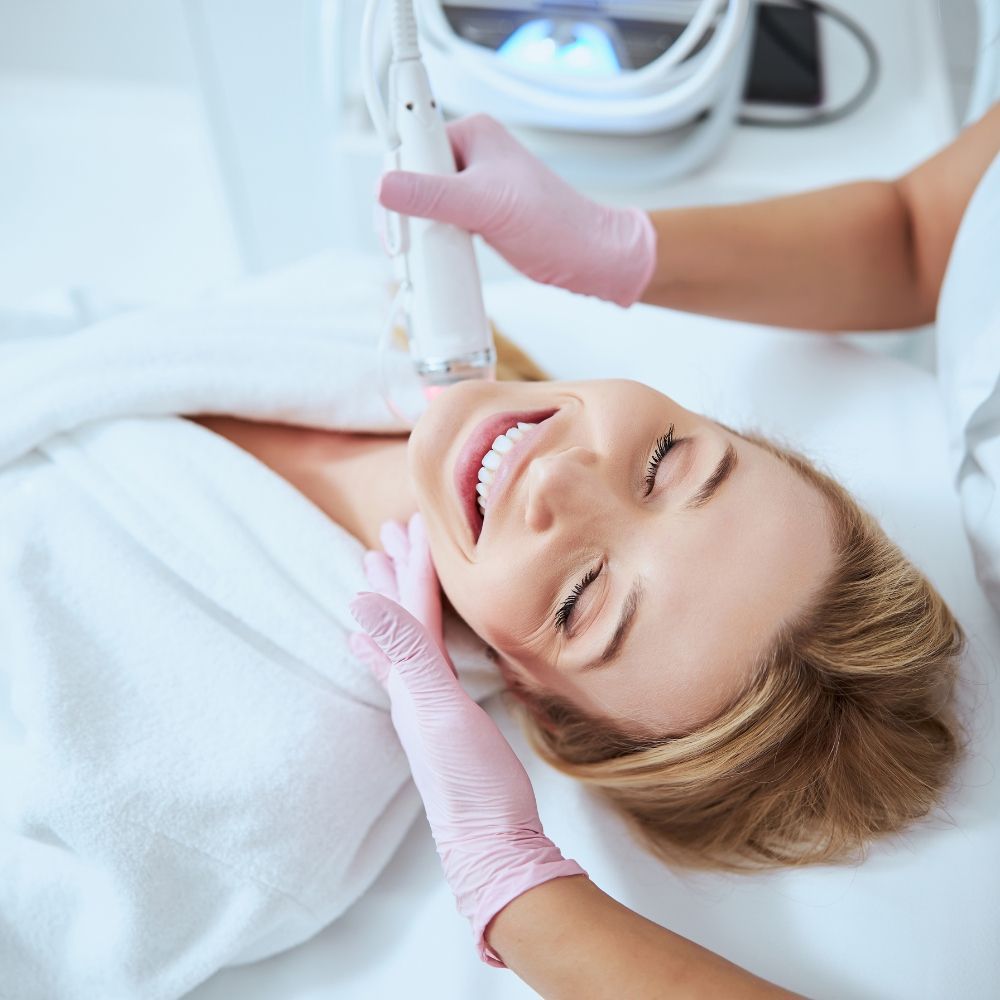
PDRN science and mechanism at Superior Health Medical
The Science of PDRN How Polynucleotides
Regenerate Skin Tissue

PDRN consists of polydeoxyribonucleotide chains derived from salmon sperm DNA, purified to remove allergenic proteins and broken into fragments of specific molecular weight optimized for tissue penetration and receptor interaction. When PDRN is introduced into the dermis, its polynucleotide chains bind to adenosine A2A receptors on fibroblasts, endothelial cells, and other dermal cells.

A2A receptor activation produces a range of pro-regenerative effects: increased fibroblast proliferation and migration, upregulation of collagen and elastin synthesis, stimulation of angiogenesis (new blood vessel formation) to improve local nutrient delivery, and suppression of pro-inflammatory cytokines including TNF-alpha and IL-6 that impair tissue quality. The combined effect is a tissue environment that is actively regenerating while simultaneously reducing the inflammatory burden that accelerates aging.

Additionally, PDRN's polynucleotide fragments can serve as building blocks for DNA repair in cells damaged by UV exposure. UV radiation causes DNA damage in skin cells, including fibroblasts, that impairs their function and accelerates the loss of collagen-producing capacity that underlies photoaging. Providing these cells with exogenous nucleotides supports cellular DNA repair and helps restore function to UV-damaged fibroblasts.

PDRN therapy experience at Superior Health Medical and Wellness
Your Treatment What PDRN Therapy
Feels Like

PDRN injections are administered with very fine needles using a technique similar to skin booster injections. Topical numbing cream applied before treatment significantly reduces injection discomfort. The injections are placed in a grid pattern across the treatment area, with each injection depositing a small amount of PDRN intradermally. The entire treatment takes 20 to 30 minutes for a full face.

Post-treatment effects are minimal compared to more aggressive treatments. Small papules at injection sites that resolve within a few hours, mild redness for 24 hours, and occasional bruising are the most common post-treatment findings. Most patients return to normal activities immediately after treatment. Results develop progressively over four to six weeks as fibroblast activity increases and new collagen matures.

Schedule Your PDRN Skin Therapy Consultation
Frequently Asked Questions Your Questions,
Answered
PRP is concentrated from your own blood and delivers growth factors that activate the healing response. PDRN is a purified biological molecule that directly activates adenosine A2A receptors to stimulate fibroblast activity and suppress inflammation. They work through different mechanisms and can be complementary: PRP provides the growth factor signal, while PDRN provides direct receptor activation and anti-inflammatory support. They are often used together for synergistic regenerative effect.
PDRN has an excellent safety profile and has been used in regenerative medicine and aesthetic dermatology for decades. The salmon-derived PDRN used in treatment is highly purified to remove allergenic proteins, and genuine allergic reactions are extremely rare. Side effects are limited to the injection site, including temporary swelling, redness, and occasional bruising, all of which resolve within a few days.
A standard PDRN therapy series involves three to four sessions spaced two to four weeks apart. Results from the series continue developing for one to two months after the final session. Maintenance sessions every three to six months sustain the regenerative effect and maintain skin quality over time. Dr. Akers designs your program based on your skin concerns and the results you want to achieve.
Yes, and PDRN is highly compatible with other skin treatments. It is commonly combined with microneedling for enhanced dermal penetration, with PRP for combined growth factor and receptor-level stimulation, and with chemical peels for comprehensive skin renewal. Dr. Akers designs combination protocols that use PDRN where its unique anti-inflammatory regenerative mechanism provides the most benefit.
PDRN is particularly well suited for patients with photoaged or UV-damaged skin, sensitive or reactive skin that cannot tolerate aggressive treatments, skin quality concerns including dullness, fine lines, and loss of radiance, and patients recovering from acne or other inflammatory skin conditions. It is also an excellent maintenance treatment for patients who want to sustain the results of more intensive treatments between sessions.