Migraine Neurotoxin
Injections
Fewer migraines. More life.

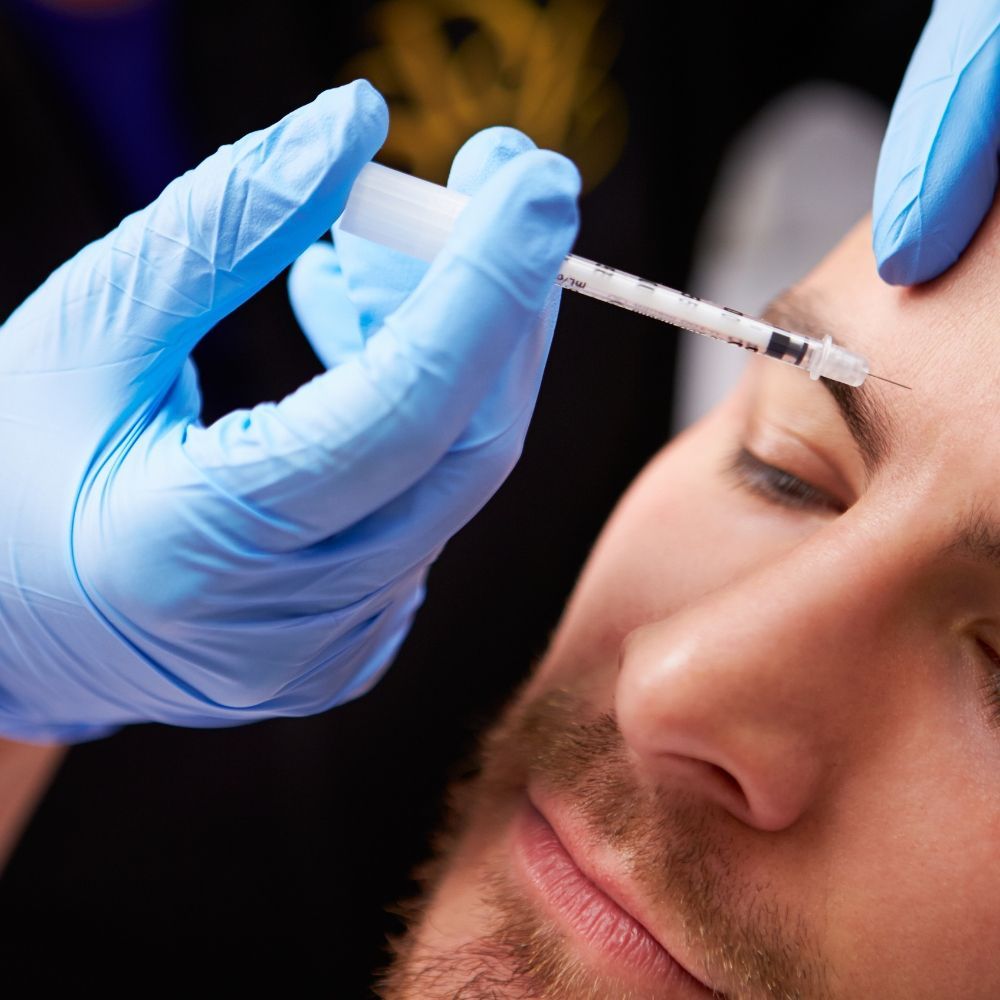
OnabotulinumtoxinA preventive therapy for chronic migraines, administered according to the FDA-approved PREEMPT protocol by a physician who treats migraine as the serious neurological condition it is.

Book an Appointment


Florida Insurances
Georgia Insurances
New York Insurances
South Carolina Insurances
North Carolina Insurances
FDA-Approved Migraine Prevention That Works The Preventive Therapy
That Changes the Math

OnabotulinumtoxinA (Botox) is FDA-approved for the preventive treatment of chronic migraines in adults who experience 15 or more headache days per month, with at least eight of those being migraine days. The PREEMPT protocol, through which Botox is administered for chronic migraine, involves a specific pattern of 31 or more injections across seven head and neck muscle groups every 12 weeks. Clinical trials demonstrated a reduction of approximately eight to nine headache days per month compared to placebo.

At Superior Health Medical and Wellness, Dr. Akers offers Botox preventive therapy for chronic migraine patients as part of a comprehensive migraine management approach. She evaluates your migraine history, current medication regimen, and prior treatment responses to determine whether Botox preventive therapy is an appropriate addition to your care and coordinates with your neurologist when needed for complex cases.

Book Your Appointment

Migraine neurotoxin injections at Superior Health Medical and Wellness
Migraine Neurotoxin Services What We Provide

From PREEMPT protocol injections and migraine evaluation to headache tracking and combination preventive therapy, Dr. Akers provides comprehensive neurotoxin migraine care at Superior Health. Explore the services below.

Not all migraine patients are appropriate candidates for Botox preventive therapy. The FDA approval is specifically for chronic migraine, defined as 15 or more headache days per month. Dr. Akers conducts a comprehensive migraine evaluation including headache frequency, duration, severity, associated symptoms, prior preventive medication trials, and any complicating diagnoses before recommending Botox therapy.
The PREEMPT protocol involves 155 to 195 units of onabotulinumtoxinA administered in a fixed injection pattern across seven head and neck muscle groups: the frontalis, corrugators, procerus, occipitalis, temporalis, cervical paraspinal, and trapezius muscles. Dr. Akers administers the full protocol at each treatment session, following the validated injection pattern that produced the clinical trial outcomes.
Botox preventive therapy for chronic migraine is administered every 12 weeks. Dr. Akers schedules treatment cycles proactively and tracks your headache frequency and severity over time to assess treatment response. Most patients require two to three treatment cycles before achieving their maximum benefit, as the effect of Botox preventive therapy builds with repeated administration.
Quantifying migraine frequency and severity before and during Botox therapy is essential for evaluating treatment response and making decisions about ongoing therapy. Dr. Akers helps patients set up a headache tracking system and reviews the data at each visit to document improvement, identify whether response is adequate, and determine whether any adjustments to the treatment plan are needed.
Preventive therapy reduces migraine frequency but does not eliminate breakthrough migraines entirely. Dr. Akers coordinates preventive Botox therapy with an appropriate acute treatment regimen so that you have effective tools for managing breakthrough migraines while the preventive therapy builds its full effect. This comprehensive approach addresses both the prevention and acute treatment dimensions of chronic migraine management.
For patients with complex migraine presentations, prior failed multiple preventive medications, or comorbidities that complicate management, Dr. Akers coordinates with neurologists and headache specialists. Botox preventive therapy can be co-managed between primary care and neurology, ensuring that you receive both the ongoing relationship and accessibility of primary care and the subspecialty expertise of a neurologist when needed.
Why It Matters Chronic Migraine Is
a Disability. Treat It That Way.
Migraine prevention at Superior Health Medical
01 Chronic Migraine Affects Every Part of Your Life

Chronic migraine is classified as a disability by the World Health Organization. Fifteen or more headache days per month means that on average, every other day involves a headache. The cognitive impact, the lost workdays, the social isolation, and the anxiety about when the next attack will come profoundly affect quality of life in ways that extend far beyond the hours of the headache itself.

02 Botox Is One of the Most Effective Preventive Therapies Available

Multiple clinical trials have demonstrated that Botox reduces chronic migraine frequency by 50 percent or more in a significant proportion of patients. Unlike daily oral preventive medications, Botox requires treatment only every 12 weeks and does not require daily adherence or produce the daily side effects that cause many patients to discontinue oral preventives.

03 Prevention Reduces Medication Overuse Risk

Patients with chronic migraine frequently overuse acute medications, including triptans and NSAIDs, which can themselves cause medication overuse headache and worsen the underlying migraine pattern. Effective preventive therapy that reduces migraine frequency also reduces the need for acute medications, breaking the medication overuse cycle and improving overall migraine control.

Superior Health Medical & Wellness
Fewer Migraines.
More Life.

Preventive neurotoxin therapy that interrupts the chronic migraine cycle at its neurological source, reducing frequency, severity, and duration month after month.

Book a Consultation

Botox migraine prevention mechanism at Superior Health Medical
How It Works Why Botox Prevents
Migraines

The mechanism by which onabotulinumtoxinA prevents migraines is distinct from its cosmetic muscle-relaxing mechanism. In migraine prevention, Botox is thought to work by blocking the release of neuropeptides, particularly calcitonin gene-related peptide (CGRP) and substance P, from peripheral sensory nerve terminals in the scalp and head and neck muscles. These neuropeptides play a central role in the neurogenic inflammation cascade underlying migraine.

By reducing neuropeptide release from peripheral sensory fibers, Botox decreases the sensitization of the trigeminal pain pathway that underlies migraine. This is a fundamentally different mechanism than its effect on motor nerves, which is why patients on Botox for chronic migraine do not experience the muscle weakness in treated areas that would occur with equivalent doses used cosmetically.

The clinical effect builds over successive treatment cycles because the biological changes in peripheral sensitization and neuropeptide signaling accumulate with repeated treatment. This is why patients who discontinue after one cycle often see a return of migraines, while those who continue for three or more cycles frequently achieve much more durable and meaningful reduction in headache frequency.

Migraine Botox therapy at Superior Health Medical and Wellness
Who Qualifies and What to Expect Starting Botox Therapy
for Chronic Migraine

Insurance coverage for Botox migraine prevention typically requires documentation of chronic migraine, defined as 15 or more headache days per month for at least three months, and documentation of at least two failed oral preventive medication trials. Dr. Akers helps compile the necessary documentation and works with your insurance to obtain authorization before the first treatment session.

Treatment sessions involve 31 or more injections across the head and neck and take approximately 20 minutes. Most patients find the injections comfortable and well-tolerated. Results from the first treatment cycle are often modest, with more significant improvement developing after the second and third cycles. Dr. Akers schedules your 12-week treatment cycles proactively and monitors your response at each visit.

Schedule Your Migraine Neurotoxin Consultation
Frequently Asked Questions Your Questions,
Answered
The FDA approval for Botox migraine prevention is for adults with chronic migraine, meaning 15 or more headache days per month with at least eight of those being migraine days, for at least three months. Dr. Akers conducts a thorough headache history at your consultation to confirm you meet the criteria and to determine whether Botox is an appropriate addition to your current migraine management plan.
Many insurance plans cover Botox for chronic migraine when specific criteria are met, typically including documentation of chronic migraine and at least two failed oral preventive medication trials. Dr. Akers's team assists with prior authorization documentation. Coverage and out-of-pocket costs vary significantly by plan, and the team works to help you access the most affordable path to treatment.
Most patients notice some reduction in headache frequency within the first treatment cycle, though significant improvement typically develops after two to three cycles. It is important to continue treatment through at least the second and third cycles before evaluating whether Botox is providing adequate benefit, as the full therapeutic effect builds over successive treatments.
The most common side effects are temporary neck pain, muscle stiffness at injection sites, and occasionally some eyelid or brow drooping that resolves within a few weeks. These are generally mild and temporary. The cosmetic effects of migraine Botox, such as reduction in forehead lines and frown lines, are a common and appreciated side effect.
Yes. Botox preventive therapy is typically added to, not substituted for, your current medication regimen. You continue any oral preventive medications that are providing benefit, and continue to use acute medications for breakthrough migraines. As your Botox therapy takes effect and migraine frequency decreases, Dr. Akers may work with you to simplify your overall medication regimen.