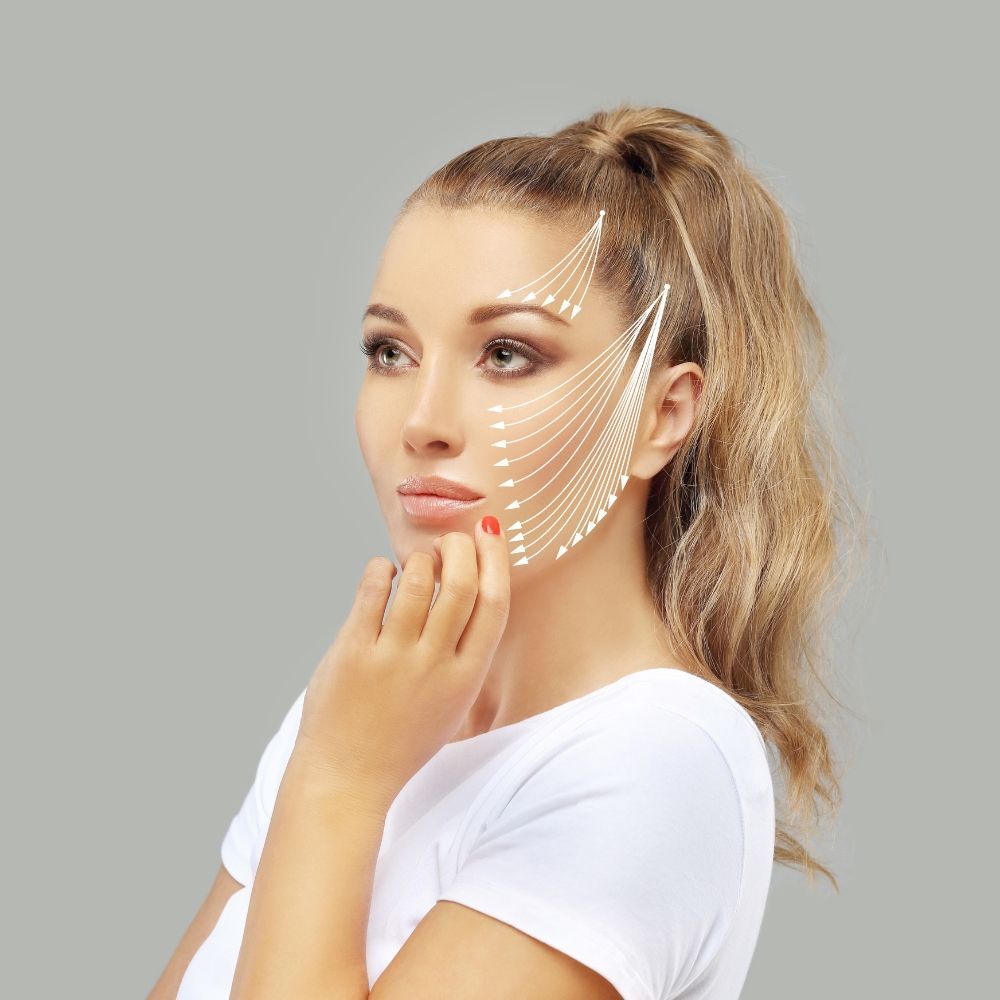
PDO Thread
Lift
A lift that begins from within.

Biodegradable polydioxanone threads that physically tighten lax tissue and stimulate your own collagen production, for results that improve progressively over time without surgery.

Book an Appointment


Florida Insurances
Georgia Insurances
New York Insurances
South Carolina Insurances
North Carolina Insurances
The Science of Thread Lifting A Lift That Keeps
Getting Better

PDO thread lifting uses fine, dissolvable polydioxanone sutures, the same material used in surgical suturing for decades, to lift, tighten, and restructure lax facial and neck tissue. The threads are inserted using fine needles or cannulas beneath the skin, where they create an immediate mechanical lifting effect and simultaneously trigger the body's collagen-regenerative response. As the threads dissolve over four to six months, the new collagen they stimulated remains, prolonging and often improving results beyond the threads themselves.

At Superior Health Medical and Wellness, Dr. Akers uses PDO threads as a precision tool within a comprehensive aesthetic plan. Threads work best for patients who are beginning to notice tissue laxity but are not yet candidates for surgical correction, or for those who prefer a non-surgical path. The treatment addresses skin quality, texture, and laxity in ways that filler and neurotoxin alone cannot.

Book Your Appointment
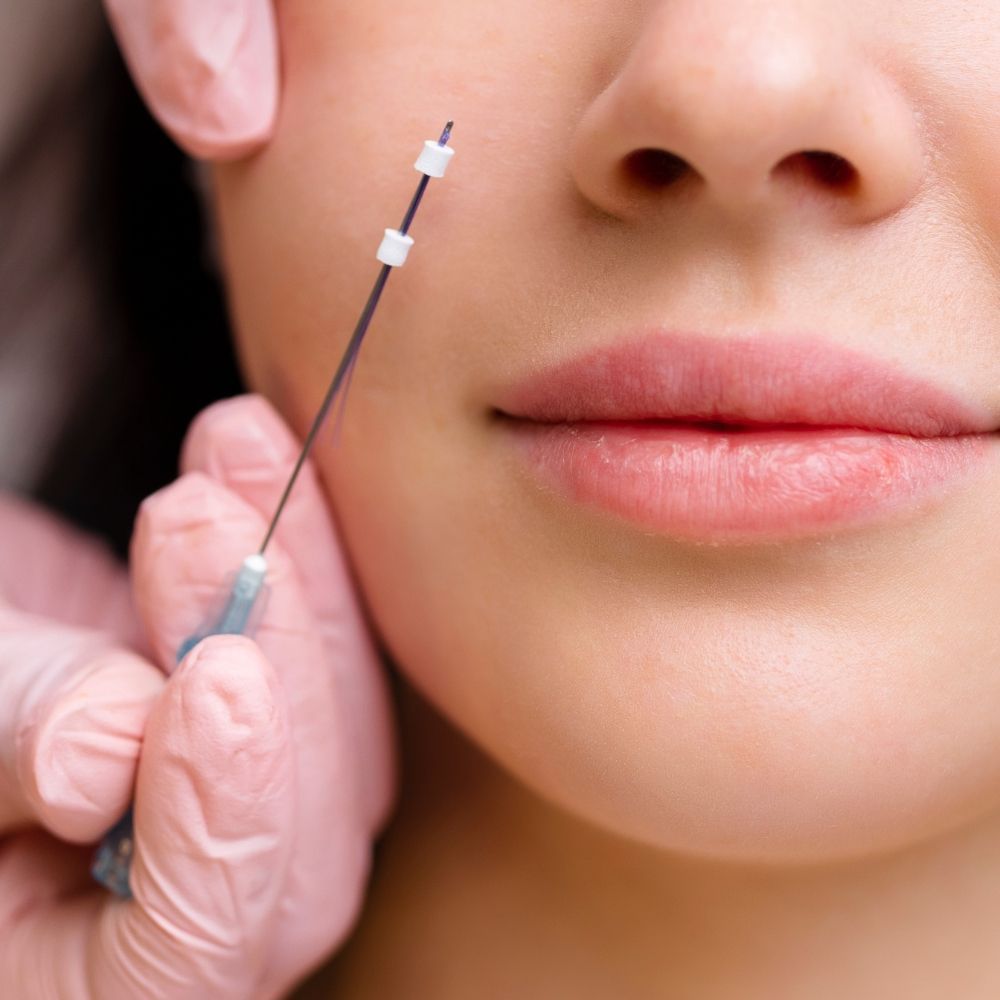
PDO thread lift treatment at Superior Health Medical and Wellness
PDO Thread Lift Services What We Provide

From smooth mono threads for skin quality improvement to barbed threads for physical lifting of the face and neck, Dr. Akers provides expert PDO thread treatments at Superior Health. Explore the options below.

Smooth mono threads are the most widely used PDO thread type. Placed in a mesh pattern beneath the skin, they stimulate collagen and elastin production as they dissolve, improving skin texture, firmness, and hydration from within. They are ideal for early-stage skin laxity, skin quality improvement across the face and neck, and areas where structural lifting is not needed but skin rejuvenation is the goal.
Barbed or cog threads have tiny directional barbs that anchor into tissue and allow the thread to physically reposition and hold lax tissue in a new, higher position. These threads produce a more noticeable mechanical lift effect and are appropriate for patients with moderate facial laxity in the jowls, cheek fat pads, brow, and neck. The lift is immediate and continues to improve as collagen builds around the threads.
The neck and jawline are among the most impactful areas for thread lifting. Threads placed along the jawline sharpen the jaw-to-neck boundary and reduce the appearance of jowling. Neck threads tighten loose neck skin and improve the overall contour from chin to collarbone. This area responds well to both smooth threads for skin quality and barbed threads for structural improvement.
A descended brow creates heaviness in the upper face that ages the eye area significantly. PDO threads placed strategically in the forehead and brow lift the lateral and medial brow to a more youthful position and can be combined with neurotoxin brow lifting for enhanced effect. The combination of physical lift and collagen stimulation produces natural, lasting improvement in the upper face.
A full-face PDO thread protocol uses smooth threads placed across the forehead, cheeks, under the eyes, around the mouth, and along the neck to create a comprehensive skin rejuvenation effect. This approach is particularly well-suited to patients in their 30s and early 40s who want to address skin quality and early laxity proactively, before structural lifting threads are needed.
The most comprehensive non-surgical rejuvenation outcomes come from combining PDO threads with filler and neurotoxin in a coordinated treatment plan. Threads address laxity and skin quality, filler restores volume and structure, and neurotoxin relaxes dynamic lines. Dr. Akers designs combination protocols that address all three dimensions of facial aging simultaneously for harmonious, lasting results.
Why It Matters Address Laxity That
Filler Cannot Fix
PDO thread lift at Superior Health Medical and Wellness
01 Filler and Neurotoxin Do Not Address Skin Laxity

Volume loss and muscle-driven lines are addressed by filler and neurotoxin respectively. But tissue laxity, the downward migration and loosening of the structural framework of the face, requires a different approach. PDO threads are the most effective non-surgical tool for directly addressing laxity with both a physical lifting mechanism and a biological collagen response.

02 Results Improve After the Threads Dissolve

One of the unique properties of PDO threads is that results continue improving after the threads themselves have dissolved. The collagen produced in response to the threads persists, maintaining skin quality, firmness, and structural improvement for twelve to eighteen months or longer after a single treatment session.

03 No Incisions, No General Anesthesia, Minimal Recovery

PDO thread lifting is performed in the office using local anesthetic. There are no surgical incisions, no general anesthesia, and no extended downtime. Most patients return to normal activity within a day or two, making threads an accessible entry point for patients who want meaningful rejuvenation without committing to surgery.

Superior Health Medical & Wellness
Lift Without
the Scalpel

Biodegradable threads that tighten, lift, and trigger collagen from within. The lift begins today. The regeneration continues for months.

Book a Consultation
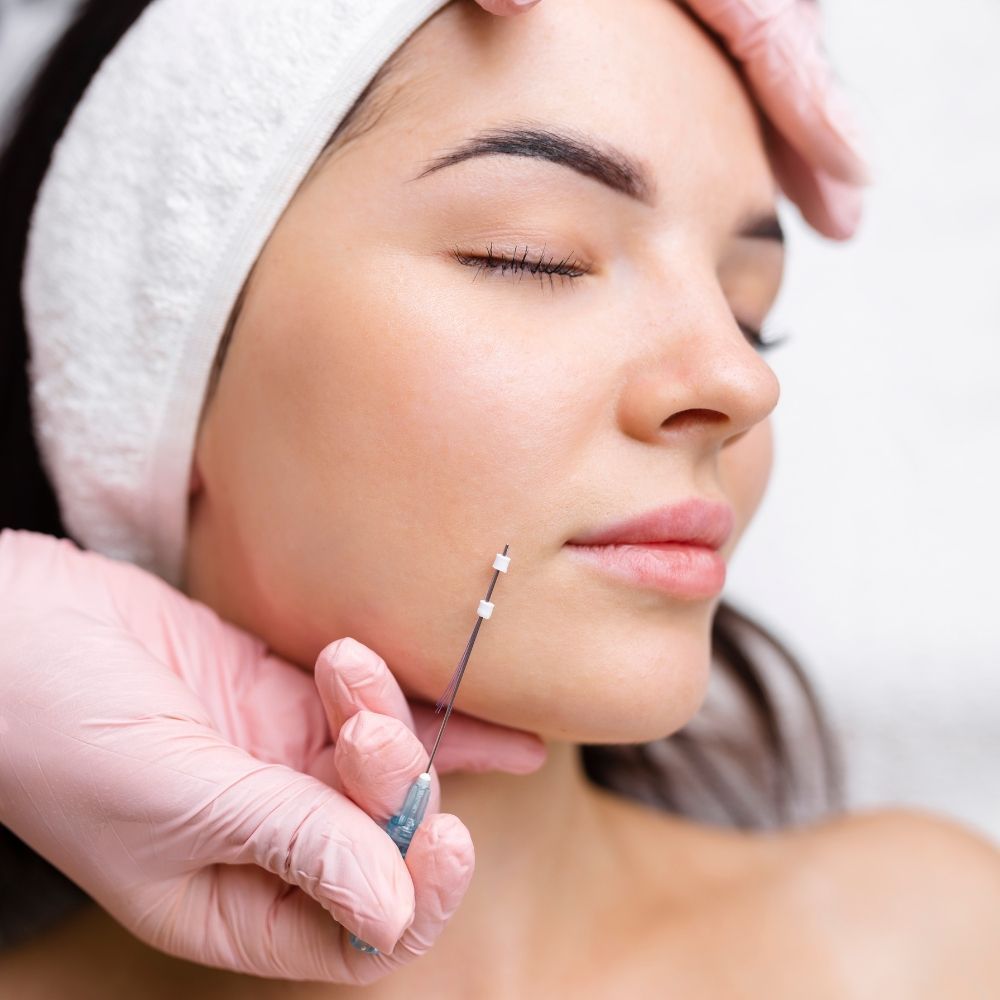
PDO thread lifting mechanism at Superior Health Medical
What PDO Threads Do The Dual Mechanism
of Thread Lifting

PDO (polydioxanone) is a synthetic polymer that has been used safely in absorbable surgical sutures for over 40 years. When inserted beneath the skin, PDO threads create two distinct and complementary effects. The first is an immediate mechanical effect: threads physically compress, lift, and reposition the tissue through which they pass, producing an instant visual improvement in laxity and contour.

The second effect is biological. As the thread begins to dissolve over four to six months, the body responds by encapsulating it with a sleeve of new collagen and elastin fibers. This neocollagenesis continues and matures over the following months, gradually improving skin thickness, firmness, and texture in the treated area even as the thread itself disappears.

The result is a treatment that works in two time dimensions simultaneously: immediate improvement visible on the day of treatment that continues to evolve and often improve for three to six months as the collagen response matures. Patients frequently report that their results look best at the four-to-six-month mark rather than immediately after treatment.
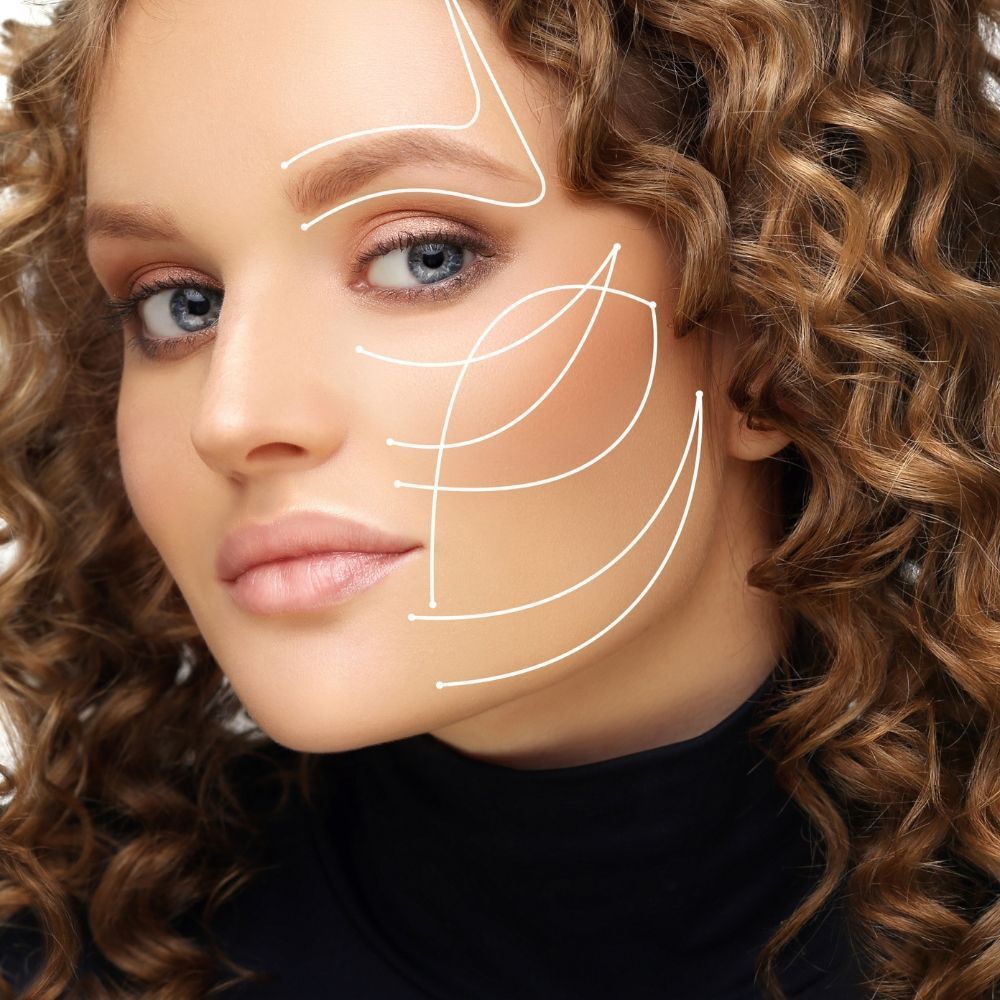
PDO thread lift treatment experience at Superior Health Medical
The Treatment Experience What Happens During
and After a Thread Lift

PDO thread lifting is performed in the office with topical and injected local anesthetic for comfort. Dr. Akers marks the treatment areas, inserts the threads using fine needles or blunt cannulas depending on the thread type and area, and adjusts the lifting effect before the needles are removed. Treatment time ranges from 30 to 90 minutes depending on the number of areas treated.

After treatment, mild swelling, tenderness, and dimpling at entry points are normal and resolve within a few days to a week. Some patients experience temporary asymmetry as swelling resolves. Dr. Akers schedules a follow-up at two weeks and provides detailed aftercare instructions including activity restrictions for the first 48 hours and facial movement precautions for the first two weeks.

Schedule Your PDO Thread Consultation
Frequently Asked Questions Your Questions,
Answered
Smooth mono thread results for skin quality typically last twelve to eighteen months. Barbed thread lift results last twelve to twenty-four months depending on the degree of laxity, the number of threads placed, and individual tissue response. Maintenance treatments every twelve to eighteen months help sustain and build on results over time.
The treatment is performed with local anesthetic and is well-tolerated by most patients. There may be some discomfort during the anesthetic injections and mild pressure sensations during thread placement. Post-treatment tenderness for a few days is common and manageable with over-the-counter pain relief.
The ideal thread lift candidate has mild to moderate skin laxity and tissue descent that is noticeable but not severe. Patients with very heavy facial tissue or advanced laxity may achieve better results with surgical approaches. Dr. Akers evaluates your tissue characteristics and degree of laxity at your consultation to determine whether threads are appropriate for your goals.
This depends on the specific treatment plan. In some cases, threads, filler, and neurotoxin are performed in the same session or sequentially. In others, it is preferable to stage treatments to allow swelling to resolve and assess results before adding additional treatment. Dr. Akers designs your combination protocol based on your specific goals and the optimal sequencing for your treatments.
PDO threads are generally safe with a well-established track record. Potential risks include bruising, swelling, temporary dimpling or asymmetry, thread palpability, and in rare cases infection or thread migration. Dr. Akers discusses all risks in detail at your consultation and uses techniques that minimize the likelihood of complications.