Physician-grade chemical peels customized to your skin type and concern, from brightening superficial peels to deep resurfacing treatments that address pigmentation, acne, and early aging.
Book an Appointment








For Your Skin
Chemical peels use carefully selected acids applied to the skin surface to dissolve the bonds between dead skin cells and controlled portions of the epidermis and, for deeper peels, the dermis. The depth of the peel is determined by the type of acid used, its concentration, and how long it remains on the skin. As the treated skin peels and is replaced by new skin from the layers below, tone evens out, texture improves, pigmentation fades, and, for deeper peels, collagen production in the dermis is stimulated.
At Superior Health Medical and Wellness, chemical peels are performed by Dr. Akers using physician-grade formulations that are not available in retail or spa settings. The selection of peel type, concentration, and application technique is based on a thorough assessment of your skin type, Fitzpatrick classification, and the specific concerns being addressed. This physician-guided approach allows for precise customization and minimizes the risk of complications such as post-inflammatory hyperpigmentation and uneven peeling.
Book Your Appointment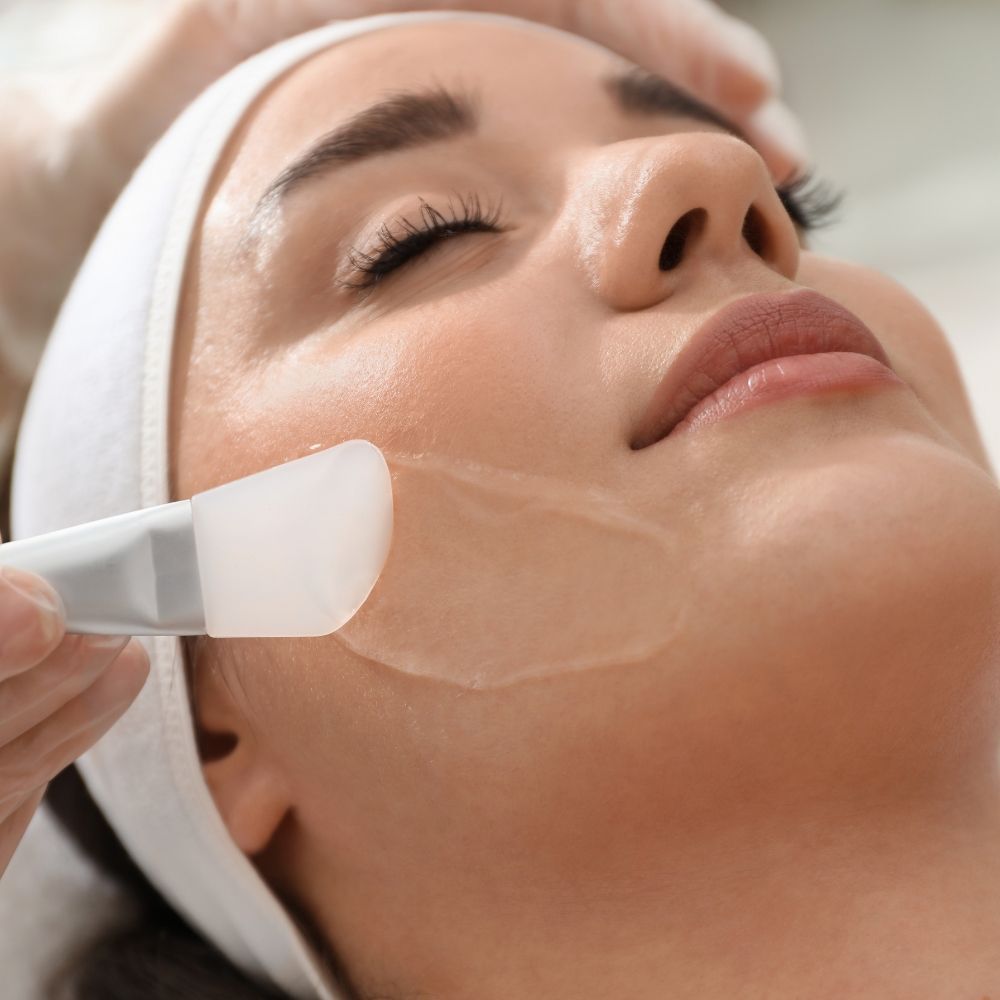
From brightening superficial peels to medium-depth resurfacing and targeted treatments for pigmentation and acne, Superior Health offers the full range of physician-grade chemical peels. Explore the services below.
Real Skin Change.
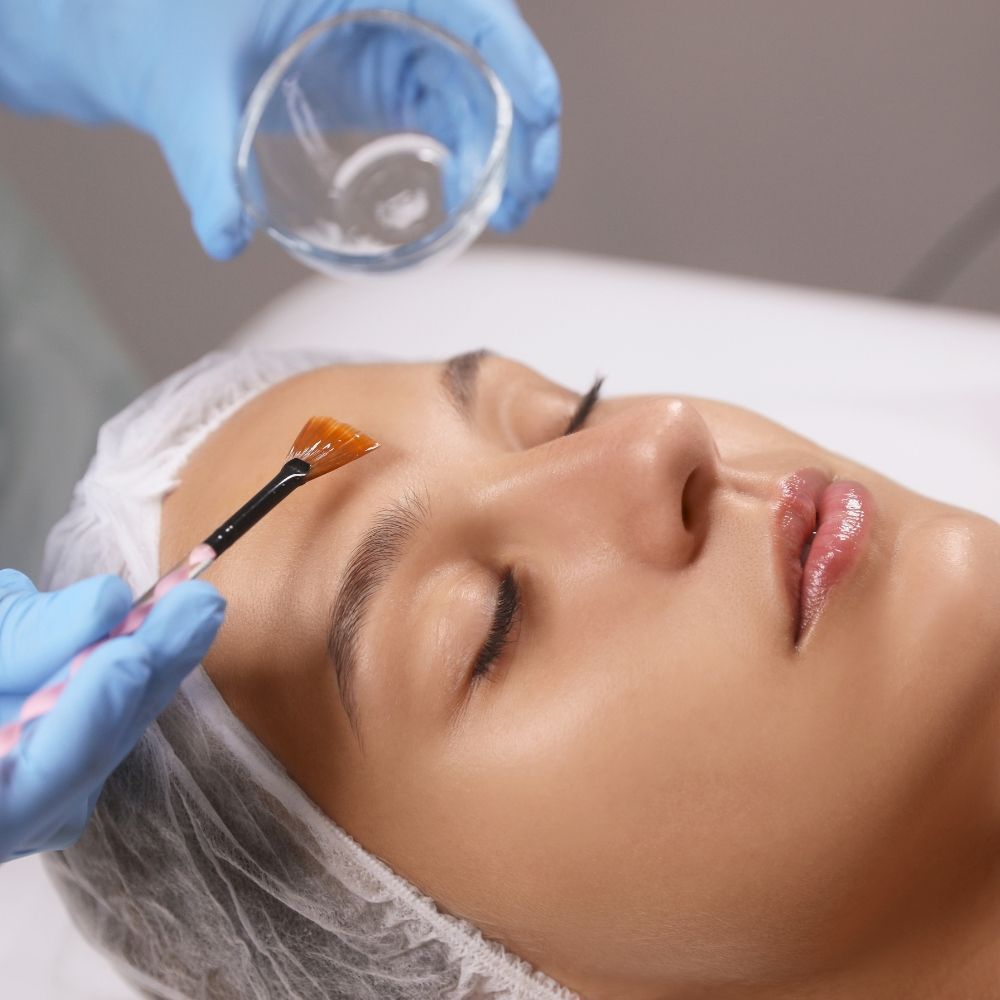
The acid concentrations in physician-grade chemical peels are significantly higher than anything available over the counter or in spa settings. The peels Dr. Akers uses penetrate to depths that produce genuine skin remodeling rather than surface-level exfoliation. The difference between a physician peel and an esthetician peel is the difference between medicine and cosmetics.
A chemical peel that is too deep for a patient's Fitzpatrick skin type can cause permanent hyperpigmentation. A peel that is too superficial for their concern produces results that do not justify the treatment. Proper peel selection requires clinical assessment of skin type, history, and goals, and the application requires technique and judgment to achieve the desired depth without complication.
Topical skincare reaches only the outer epidermis. Chemical peels penetrate deeper, affecting the full thickness of the epidermis and, for medium-depth peels, the upper dermis. This allows them to address pigmentation, scar tissue, and collagen structure in ways that no topical product can achieve, producing improvements that skincare maintenance can preserve but cannot create on its own.
Always Underneath
Precision-blended acids that remove the damaged surface layer and reveal clearer, brighter, more even skin with every peel.
Book a Consultation
Treat Different Concerns
Alpha hydroxy acids, including glycolic acid (derived from sugarcane) and lactic acid (derived from milk), work by disrupting the bonds between corneocytes in the outer stratum corneum, causing the superficial dead skin layer to shed more rapidly. Glycolic acid has the smallest molecular size of the AHAs, allowing deeper epidermal penetration at lower concentrations. Lactic acid is gentler and more hydrating, making it better suited for sensitive or dry skin types.
Trichloroacetic acid (TCA) causes protein denaturation in the skin, creating a controlled chemical burn at the depth of penetration. The depth of TCA penetration is primarily controlled by concentration: 10 to 20 percent TCA reaches the superficial epidermis, 25 to 35 percent reaches the mid-epidermis to papillary dermis, and higher concentrations reach the reticular dermis. As the treated skin heals, new collagen is produced and the regenerated epidermis has improved tone and texture.
Salicylic acid is unique in that it is keratolytic and comedolytic, dissolving keratin proteins that form the plug in clogged pores. Its lipophilic nature allows it to penetrate through sebum into the follicle lining, making it the preferred agent for acne-prone and oily skin. It also has anti-inflammatory properties that reduce the redness and irritation that often accompany acne treatment.
and After a Chemical Peel
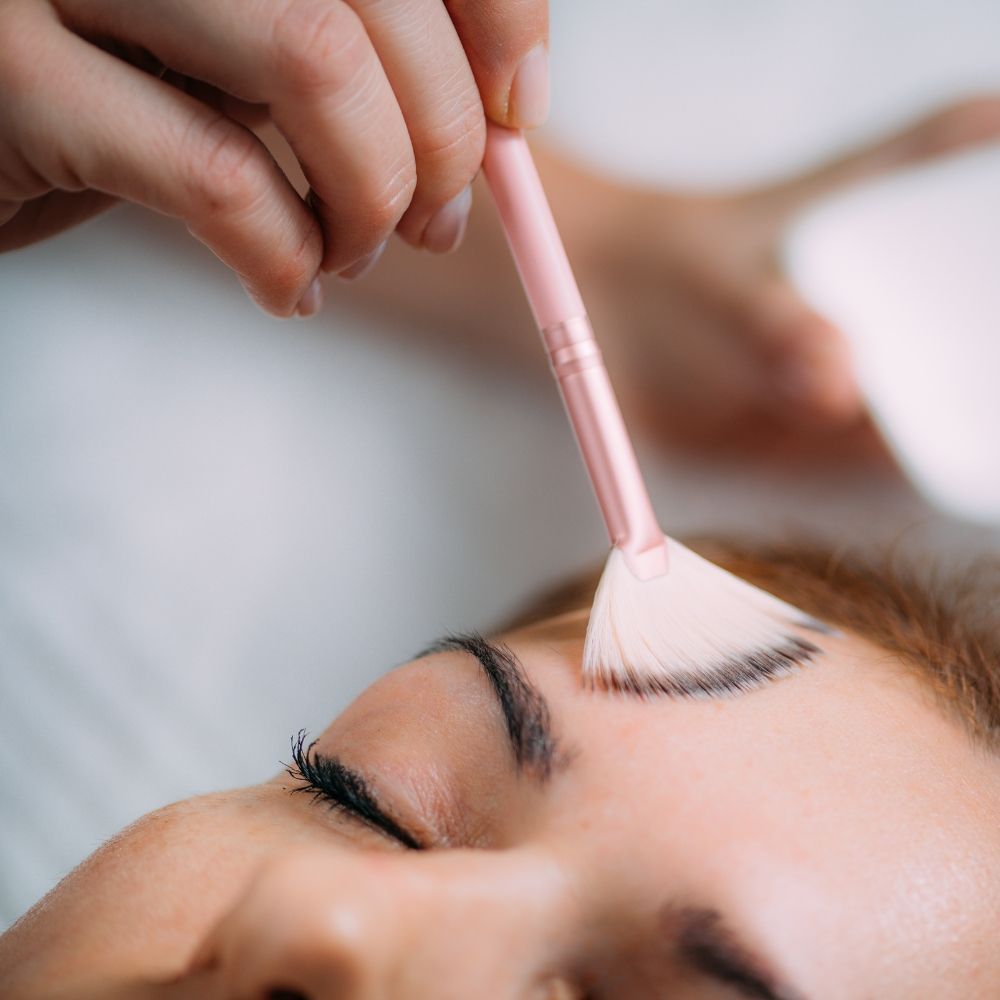
Chemical peel appointments begin with thorough cleansing and degreasing of the skin. Dr. Akers applies the selected peel solution in controlled layers, monitoring the skin's response throughout. A tingling or burning sensation during application is normal. For superficial peels, the acid is neutralized after the appropriate contact time. Medium-depth peels with TCA self-neutralize as frosting appears in the skin, indicating the treatment has reached the desired depth.
Recovery varies by peel depth. Superficial peels cause redness for 24 hours and may produce mild flaking over three to five days. Medium-depth peels produce more significant redness and visible peeling for five to seven days as the treated skin sheds and is replaced by new tissue beneath. Sun protection is critical during and after the healing period to prevent post-inflammatory pigmentation.
Schedule Your Chemical Peel ConsultationAnswered