TMJ Neurotoxin
Treatment
Jaw tension treated at the source.

Botox injected directly into the masseter muscle to reduce jaw clenching, bruxism, headaches, and jaw pain, with relief that lasts and a slimmer jawline as an added benefit.

Book an Appointment


Florida Insurances
Georgia Insurances
New York Insurances
South Carolina Insurances
North Carolina Insurances
Treating the Muscle Behind the Pain Masseter Injections
That Actually Work

Temporomandibular joint disorder (TMJ/TMD) encompasses a range of conditions involving the jaw joint and the muscles that control jaw movement. The masseter, the large jaw-closing muscle on either side of the face, is frequently the primary source of TMJ-related pain. Chronic clenching and grinding, whether during the day or during sleep, creates persistent masseter overactivity that leads to jaw pain, headaches, tooth wear, ear pain, and facial tension that can be debilitating and difficult to treat.

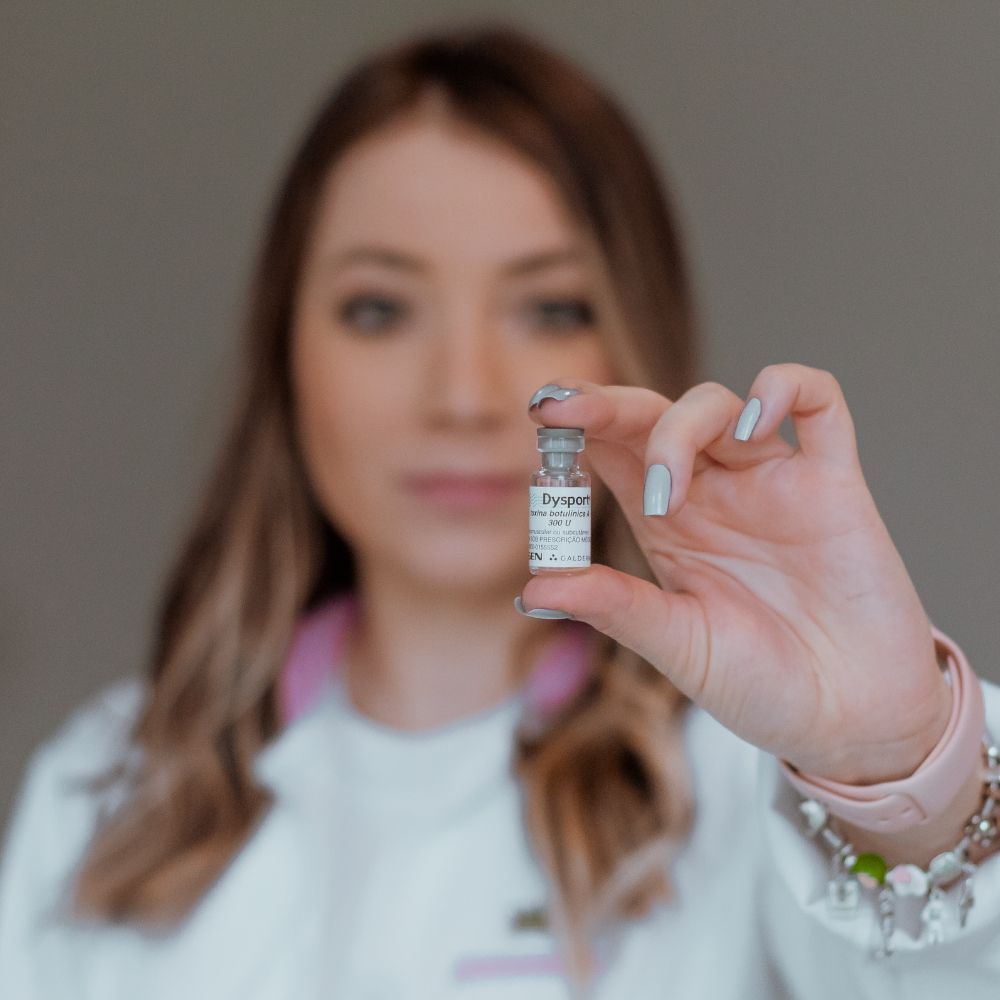
At Superior Health Medical and Wellness, Dr. Akers uses neurotoxin injected directly into the masseter muscle to reduce its contractile force without affecting the ability to chew, speak, or perform normal jaw functions. By reducing the force of clenching and grinding, neurotoxin breaks the cycle of muscle overactivity and pain, providing relief that lasts three to six months per treatment cycle and often improves with repeated treatments as the muscle gradually reduces in bulk.

Book Your Appointment

TMJ neurotoxin treatment at Superior Health Medical and Wellness
TMJ Neurotoxin Services What We Provide

From masseter injections for jaw pain and bruxism to combination protocols for headache reduction and lower face slimming, Dr. Akers provides comprehensive TMJ neurotoxin treatment at Superior Health. Explore the services below.

The cornerstone of neurotoxin-based TMJ treatment is injection into the masseter muscle to reduce the force of clenching. Dr. Akers palpates the masseter to assess its size, locates the safe injection zone within the muscle belly, and places neurotoxin at multiple points to ensure even distribution within the muscle. The effect develops over one to two weeks as muscle activity is progressively reduced.
Nighttime teeth grinding, or bruxism, is a major driver of tooth wear, jaw pain, morning headaches, and masseter hypertrophy. Neurotoxin reduces the force of grinding contractions, protecting the teeth from further damage and reducing the pain and tension that accumulate overnight. Many patients notice significantly reduced jaw soreness and morning headaches within two to three weeks of treatment.
Masseter overactivity contributes to a specific pattern of tension headaches centered at the temples and sides of the head. By reducing masseter and temporalis muscle activity, neurotoxin can produce meaningful reduction in the frequency and intensity of TMJ-related headaches. Some patients experience dramatic headache improvement that significantly improves their quality of life.
The therapeutic and cosmetic effects of masseter neurotoxin are inseparable: reducing masseter activity also gradually reduces its bulk over successive treatment cycles, slimming the lower face and creating a more tapered, oval facial shape. This aesthetic benefit is particularly valued by patients whose masseter hypertrophy from clenching has created a square, prominent lower face appearance.
The temporalis muscle overlying the temples contributes to jaw clenching and is a significant source of temple headaches in patients with TMJ disorder. Neurotoxin placed in the temporalis reduces tension in this muscle, providing additional headache relief beyond what masseter treatment alone can achieve. Dr. Akers evaluates whether temporalis treatment would add meaningful benefit to your treatment plan.
TMJ neurotoxin treatment is most effective when maintained on a consistent schedule. Dr. Akers schedules follow-up treatments at the appropriate interval for your degree of muscle activity, typically every three to six months. With repeated treatments, many patients find that the required dose decreases over time as the masseter gradually atrophies in response to reduced use.
Why It Matters Stop Managing the Pain.
Treat the Source.
TMJ jaw pain treatment at Superior Health Medical
01 Conventional TMJ Treatments Address Symptoms, Not the Cause

Mouthguards, anti-inflammatories, physical therapy, and splints provide varying degrees of symptom relief for TMJ disorder. They do not reduce the underlying muscle force driving the clenching and grinding. Neurotoxin is the only treatment that directly reduces masseter activity, addressing the muscular source of the problem rather than its downstream effects.

02 Jaw Pain Affects Sleep, Mood, and Quality of Life

Chronic jaw pain and tension headaches are not minor inconveniences. They affect sleep quality, concentration, mood, and the ability to eat comfortably. For many patients, the improvement in daily quality of life from effective TMJ neurotoxin treatment is one of the most significant medical interventions they have experienced.

03 Results Improve With Consistent Treatment Over Time

Repeated neurotoxin treatments to the masseter produce progressive muscle reduction as the muscle atrophies from disuse. Many patients find that after two to three treatment cycles, the intensity of their clenching is durably reduced, they need less neurotoxin to achieve the same effect, and their treatment intervals can be extended as the underlying muscle activity decreases.

Superior Health Medical & Wellness
Relief That Reaches
Where Nothing Else Has

Neurotoxin placed directly into the masseter muscle interrupts the cycle of clenching and grinding, delivering lasting relief at the source of your jaw pain.

Book a Consultation
Masseter muscle and TMJ anatomy at Superior Health Medical
The Masseter and TMJ Pain How Muscle Overactivity
Drives Jaw Disorder

The masseter is one of the strongest muscles in the body relative to its size. In patients with bruxism or chronic clenching, the masseter is activated with forces far in excess of what chewing alone requires. This chronic overactivity creates a cycle of muscle tension, microtrauma to the temporomandibular joint and surrounding structures, and secondary pain that radiates to the temples, ears, and neck.

The masseter hypertrophies, or grows larger, in response to repeated heavy use, just as any other muscle does. This hypertrophy creates the characteristic bulging along the lower jaw that is visible in many patients with chronic bruxism. The enlarged muscle is both a source of pain and a cosmetic concern that neurotoxin addresses simultaneously.

By reducing the contractile force of the masseter without eliminating its function, neurotoxin breaks the cycle. The muscle can still chew and speak normally, but the involuntary overcontractions that drive clenching are attenuated. As the muscle is used with less force, the associated pain, joint loading, and hypertrophy progressively improve.

TMJ Botox treatment experience at Superior Health Medical
What to Expect Your TMJ Neurotoxin
Treatment at Superior Health

TMJ neurotoxin appointments are brief and straightforward, typically 15 to 20 minutes. Dr. Akers palpates both masseter muscles to assess their size, tension, and symmetry, marks the injection zones, and places precise doses within the muscle belly at multiple points on each side. Most patients describe the injections as very tolerable, more comfortable than they expected.

Results develop progressively over one to two weeks as the neurotoxin reaches its full effect. The jaw will feel less tense, jaw pain and morning headaches will diminish, and any teeth grinding that was occurring at night will be significantly reduced. A follow-up visit at four weeks allows Dr. Akers to assess the response and determine whether any additional neurotoxin would optimize the result.

Schedule Your TMJ Neurotoxin Consultation
Frequently Asked Questions Your Questions,
Answered
Yes. The dose of neurotoxin used for TMJ treatment reduces the force of involuntary clenching without eliminating normal jaw function. Chewing, speaking, and normal jaw movement are fully preserved. Some patients notice that chewing very tough or hard foods requires slightly more effort in the first few weeks as the muscle adjusts, but normal daily eating is not affected.
Relief from masseter neurotoxin typically lasts three to five months for most patients. With repeated treatments, many patients find that relief lasts progressively longer as the masseter muscle gradually reduces in mass and baseline activity. Some patients extend to six-month treatment intervals after several consistent treatment cycles.
Most patients notice meaningful improvement in jaw pain and tension within two to three weeks of their first treatment. Headache reduction often follows within the same timeframe. Full muscle softening and any cosmetic slimming effect develop over four to six weeks and continue improving with repeated treatments.
Coverage for masseter neurotoxin varies by insurance plan and is often not covered when used for cosmetic purposes. When used for a diagnosed TMJ disorder, some insurance plans may provide partial coverage. Dr. Akers's team can provide documentation of the medical indication if needed for insurance purposes.
Not necessarily. Some patients find that after several consistent treatment cycles, their clenching pattern diminishes durably and they can extend or reduce their treatment frequency. Others find that ongoing maintenance treatments every four to six months are the best approach to sustained relief. Dr. Akers discusses your treatment response and optimal long-term plan at follow-up appointments.