Hair Loss &
Restoration
Your hair, your confidence, restored.

Comprehensive medical evaluation and personalized hair restoration plans addressing the root cause of hair loss, from hormonal imbalances and nutritional deficiencies to pattern hair loss and autoimmune conditions.

Book an Appointment


Florida Insurances
Georgia Insurances
New York Insurances
South Carolina Insurances
North Carolina Insurances
Getting to the Root Hair Loss That
Gets a Real Answer

Hair loss is one of the most emotionally impactful health conditions a patient can experience, and one of the most frequently dismissed. At Superior Health Medical & Wellness, Dr. Akers takes a clinically rigorous approach: ordering the right labs, identifying the underlying cause, and building a treatment plan that addresses why your hair is thinning, not just the thinning itself.

Whether you are experiencing gradual thinning, diffuse shedding, patchy loss, or scalp changes, Dr. Akers evaluates your full hormonal profile, nutritional status, thyroid function, and family history before recommending any treatment. The right intervention depends entirely on the correct diagnosis.

Book a Hair Loss Evaluation

Hair Loss & Restoration at Superior Health Medical and Wellness
Hair Loss & Restoration What We Evaluate and Treat

Hair loss has dozens of potential causes and just as many treatment approaches. Getting results requires identifying the correct cause first. Explore the conditions Dr. Akers evaluates and the treatments she offers below.
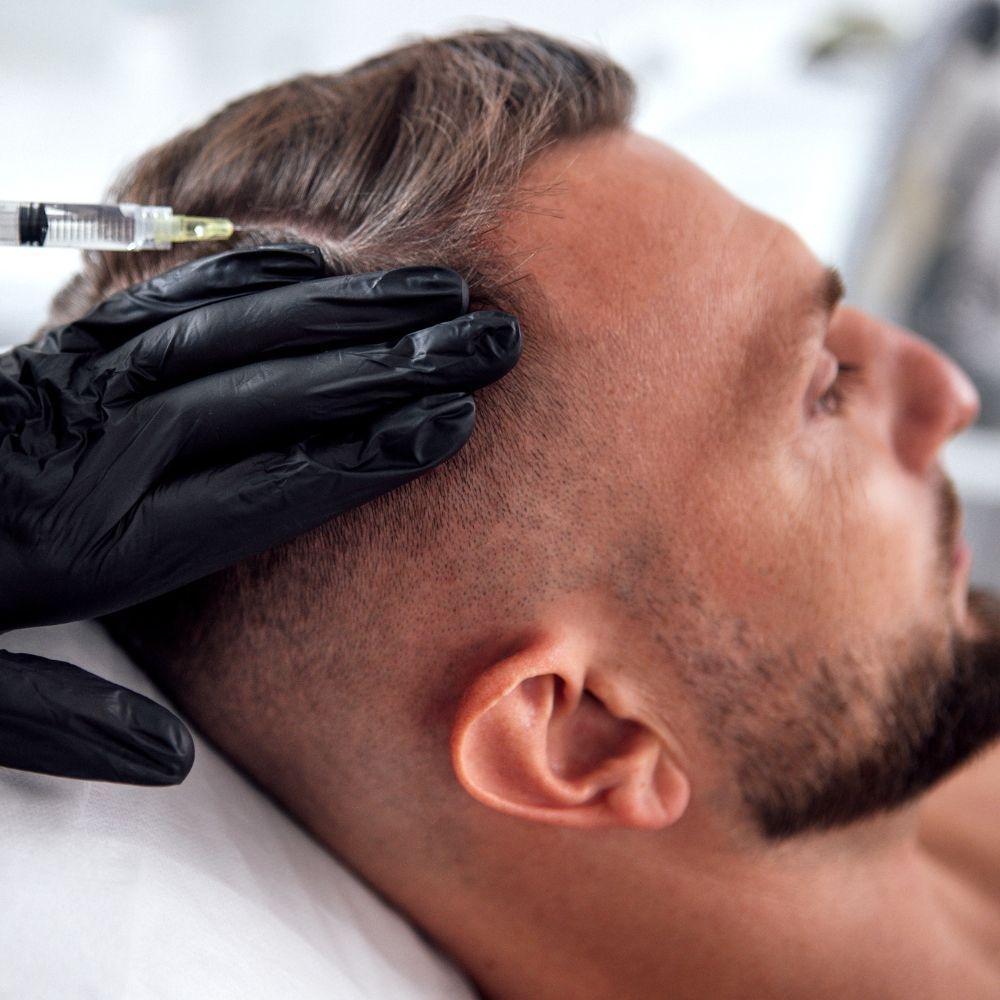
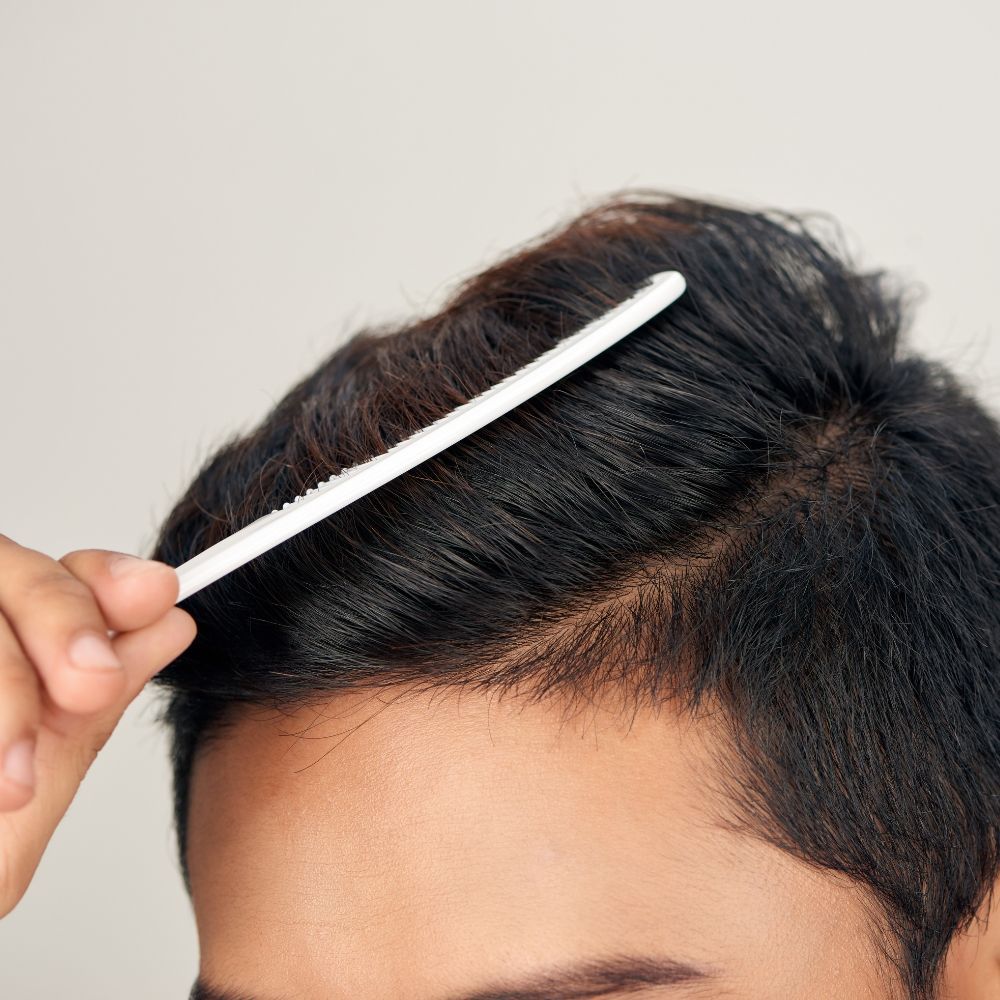
Androgenetic alopecia is the most common cause of hair loss in both men and women, driven by genetic sensitivity of hair follicles to dihydrotestosterone (DHT). In men it produces a receding hairline and crown thinning. In women it typically causes diffuse thinning at the crown while the hairline remains intact. Dr. Akers evaluates the pattern, confirms the diagnosis, and discusses treatment options including topical minoxidil, oral finasteride or dutasteride, and PRP therapy.
Telogen effluvium is diffuse hair shedding triggered by a physiological stressor that occurred two to four months prior. Common triggers include major illness, surgery, childbirth, crash dieting, significant emotional stress, and thyroid dysfunction. The hair typically regrows once the trigger is removed, but identifying and addressing the underlying cause speeds recovery and prevents future episodes.
Hormonal imbalances including elevated androgens in PCOS, thyroid dysfunction, elevated prolactin, and estrogen changes following childbirth or menopause can all produce significant hair loss. Dr. Akers evaluates your full hormonal panel and addresses the root hormonal driver, which often produces dramatic improvement once the underlying imbalance is corrected.
Deficiencies in iron, ferritin, vitamin D, zinc, and protein are among the most common reversible causes of hair loss. Dr. Akers screens for these through lab work and addresses them with targeted supplementation and dietary guidance, often producing significant regrowth once levels are restored to optimal ranges.
Alopecia areata is an autoimmune condition producing round patches of hair loss on the scalp or body. Dr. Akers evaluates for associated autoimmune conditions, manages alopecia areata with appropriate interventions, and refers to dermatology for advanced cases requiring specialized treatment.
Seborrheic dermatitis, scalp psoriasis, and chronic scalp inflammation can compromise follicle health and contribute to thinning. Dr. Akers evaluates scalp conditions that may be accelerating hair loss and treats them as part of a comprehensive restoration plan.
Platelet-rich plasma therapy stimulates dormant hair follicles by injecting concentrated growth factors derived from your own blood directly into the scalp. It is most effective for androgenetic alopecia where follicles are dormant rather than permanently lost. Dr. Akers evaluates whether PRP is appropriate for your pattern and coordinates treatment accordingly.
Finasteride and dutasteride reduce DHT levels systemically, slowing follicle miniaturization in androgenetic alopecia. Minoxidil taken orally at low doses has shown efficacy beyond topical application. Dr. Akers evaluates whether oral medications are appropriate, discusses side effects, and monitors labs when indicated.
Female pattern hair loss is frequently underdiagnosed because it does not follow the same pattern as male hair loss and is often attributed to stress or aging without investigation. Dr. Akers takes female hair loss seriously, orders a comprehensive panel, and distinguishes pattern loss from reversible causes including PCOS, thyroid disease, and postpartum telogen effluvium.
Hair restoration treatments require months to show results because new growth must travel the full length of the shaft before it is visible. Dr. Akers sets realistic timelines at the start of treatment, monitors response at regular follow-up visits, and adjusts the plan based on what is working and what is not.
Why It Matters Why Getting the Right Diagnosis Matters
Dr. Akers providing preventive care
01 Wrong Diagnosis, Wrong Treatment

Treating androgenetic alopecia with biotin supplements when the cause is low ferritin produces no results. Treating stress-related shedding with DHT blockers when the cause is hypothyroidism is equally ineffective. The treatment only works when it matches the cause. Dr. Akers identifies the cause before recommending any intervention.

02 Many Cases Are Reversible

A significant proportion of hair loss is caused by reversible conditions including iron deficiency, thyroid dysfunction, hormonal imbalance, and medication effects. These cases respond dramatically to correct treatment. The difference between temporary shedding and permanent follicle loss is time, which is why early evaluation matters.

03 Follicles Have a Window

Hair follicles that have been dormant for too long eventually become permanently inactive. Interventions like PRP and minoxidil are most effective when follicles are still capable of producing hair but have stopped due to DHT or poor circulation. Earlier treatment means more follicles can be rescued before the window closes.

Pap smear and cervical health screening
Understanding Hair Loss Why Hair Falls Out and What Stops It

Hair grows in cycles of three phases: anagen (active growth), catagen (transition), and telogen (resting and shedding). Normally about 85 to 90 percent of hairs are in the anagen phase at any time. Losing 50 to 100 hairs daily is normal. Visible thinning begins when this balance shifts toward shedding due to follicle miniaturization, nutritional insufficiency, hormonal signals, or immune attack.

Understanding which phase is disrupted tells Dr. Akers what type of hair loss you are experiencing and what interventions are most appropriate. Lab work, clinical evaluation, and sometimes scalp examination help characterize the pattern accurately before any treatment is recommended.
Vaccines and immunizations at Superior Health Medical
Treatment Timeline What to Expect From Hair Restoration

Hair grows approximately half an inch per month. Even successful treatments take time to show results because new growth must travel the entire length of the shaft before it is visible. Most patients see early signs of improvement at three to six months, with meaningful regrowth visible at nine to twelve months.

Treatment is rarely a single intervention. Most successful hair restoration programs combine an oral or topical agent, nutritional correction when deficiencies are present, and scalp health optimization. Dr. Akers builds a realistic, layered plan and monitors progress at follow-up visits, adjusting based on what is and is not working.

Book Your Hair Loss Evaluation
Frequently Asked Questions Hair Loss
Questions Answered
Androgenetic alopecia affects approximately 50 percent of men by age 50 and up to 40 percent of women by menopause. However, other causes including thyroid dysfunction, iron deficiency, and hormonal imbalances are also very common in women and need to be ruled out before assuming the cause is genetic.
Losing 50 to 100 hairs per day is considered normal. More than 100 hairs per day suggests a condition driving excess shedding. The clinical question is whether the hair is being replaced at the same rate it is shed. Visible thinning occurs when shedding consistently exceeds regrowth.
It depends on the cause and how long follicles have been inactive. Hair loss from nutritional deficiencies, thyroid dysfunction, and telogen effluvium is often fully reversible once the underlying cause is corrected. Androgenetic alopecia can be slowed and partially reversed with early treatment but cannot be fully reversed if follicles have been inactive for years.
A comprehensive hair loss panel typically includes CBC, ferritin, iron studies, full thyroid panel, vitamin D, zinc, B12, hormones including testosterone, DHEA, estradiol, and prolactin, and inflammatory markers. Dr. Akers orders the panel appropriate for your specific hair loss pattern and clinical presentation.
Yes. Significant physical or emotional stress triggers telogen effluvium, a shedding pattern that begins two to four months after the stressor. Common triggers include major illness, surgery, childbirth, crash dieting, and prolonged stress. The shedding typically resolves within six to twelve months once the stressor is addressed.
PRP has the strongest evidence for androgenetic alopecia and early-stage hair loss where follicles are still present but dormant. Clinical studies show improvements in hair density in most treated patients. It is less effective for advanced hair loss where follicles have been permanently lost.
Some hormonal contraceptives with high androgenic progestins can trigger or worsen androgenetic alopecia in genetically predisposed women. This is reversible by switching to a lower-androgenicity contraceptive. Dr. Akers evaluates contraceptive history as part of every female hair loss assessment.
Biotin deficiency can cause hair loss, and supplementation corrects it when deficiency is confirmed. However, most people are not biotin deficient, and supplementation without deficiency does not produce hair regrowth. Biotin also interferes with certain lab tests at high doses. Dr. Akers evaluates for actual deficiency before recommending supplementation.
Most treatments require three to six months before any improvement is visible, and nine to twelve months for full assessment of response. This reflects the biology of the hair growth cycle. Dr. Akers sets clear timelines at the start of treatment so patients understand what to expect and do not discontinue effective therapy too early.
Ensuring adequate protein, iron, ferritin, zinc, and vitamin D through diet is foundational. Anti-inflammatory dietary patterns may also benefit follicle health. Dr. Akers provides specific nutritional guidance based on your lab results rather than generic supplement recommendations.
Androgenetic alopecia can begin as early as the late teens in genetically predisposed individuals. Earlier onset generally correlates with more significant eventual hair loss. Female pattern hair loss commonly begins in the 30s to 40s and accelerates around menopause.
Hair loss involves the entire shaft falling out at the root. Hair breakage occurs mid-shaft due to damage from heat, chemical treatments, or nutritional deficiency affecting hair shaft strength. Both reduce visible hair volume but require different approaches. Dr. Akers distinguishes between them through clinical evaluation.