Smoking
Cessation
Your last cigarette starts here.

Physician-supervised smoking cessation with FDA-approved medications, behavioral support, and a personalized quit plan built around how you actually smoke.

Book an Appointment

Florida Insurances
Georgia Insurances
New York Insurances
South Carolina Insurances
North Carolina Insurances
Quitting Is Medical, Not Just Willpower The Help You Need
to Quit for Good

Nicotine addiction is one of the most powerful and well-documented addictions in medicine. Quitting smoking is not simply a matter of deciding to stop. Nicotine dependency involves both physical addiction and deeply conditioned behavioral patterns that have been reinforced thousands of times over years or decades. Most people who quit successfully use a combination of medication and behavioral support, not willpower alone.

At Superior Health Medical and Wellness, Dr. Akers approaches smoking cessation as the medical intervention it is. She evaluates your smoking history, your past quit attempts, your current triggers, and any health conditions affected by smoking to design a cessation plan that gives you the best possible chance of quitting permanently. You have tried willpower. Let us try medicine.

Book Your Appointment

Smoking cessation support at Superior Health Medical and Wellness
Smoking Cessation Services What We Provide

From nicotine replacement therapy and prescription cessation medications to behavioral support and quit planning, Dr. Akers provides comprehensive physician-led smoking cessation care at Superior Health. Explore the services below.

Dr. Akers conducts a thorough cessation assessment that includes your smoking history, the number of cigarettes per day, your level of nicotine dependence, your history of past quit attempts and what happened with each one, your smoking triggers, and any medications or health conditions that affect your cessation options. From this assessment, she develops a personalized quit plan.
Nicotine replacement therapy delivers a controlled dose of nicotine through patches, gum, lozenges, or other delivery systems to reduce withdrawal symptoms while the behavioral patterns of smoking are addressed. Dr. Akers selects the appropriate NRT formulation and dose based on your level of dependence and provides guidance on how to use it most effectively.
Varenicline is the single most effective pharmacological treatment for smoking cessation, approximately tripling the odds of successfully quitting compared to placebo. It works by partially stimulating nicotine receptors to reduce cravings and withdrawal while blocking the reinforcing effects of smoking. Dr. Akers evaluates your eligibility, reviews potential side effects, and manages your varenicline course.
Bupropion is an FDA-approved smoking cessation medication that is particularly useful for smokers with co-occurring depression or anxiety. It reduces nicotine cravings and withdrawal symptoms through norepinephrine and dopamine pathways. Dr. Akers may recommend bupropion as an alternative or adjunct to other cessation medications based on your health history.
Medication significantly improves cessation rates, but combining medication with behavioral support produces better outcomes than either alone. Dr. Akers provides evidence-based brief behavioral counseling at cessation visits including trigger identification, coping strategies for cravings, response planning for high-risk situations, and relapse prevention.
Most smokers require multiple quit attempts before achieving permanent cessation. A relapse is not a failure. It is information about what did not work and what needs to be adjusted. Dr. Akers evaluates what led to the relapse, adjusts the treatment plan, and restarts cessation support without judgment. Each attempt increases the odds of the next one succeeding.
Why It Matters No Single Health Decision
Has Greater Impact
Health benefits of smoking cessation at Superior Health Medical
01 Quitting Smoking Is the Single Most Impactful Health Decision You Can Make

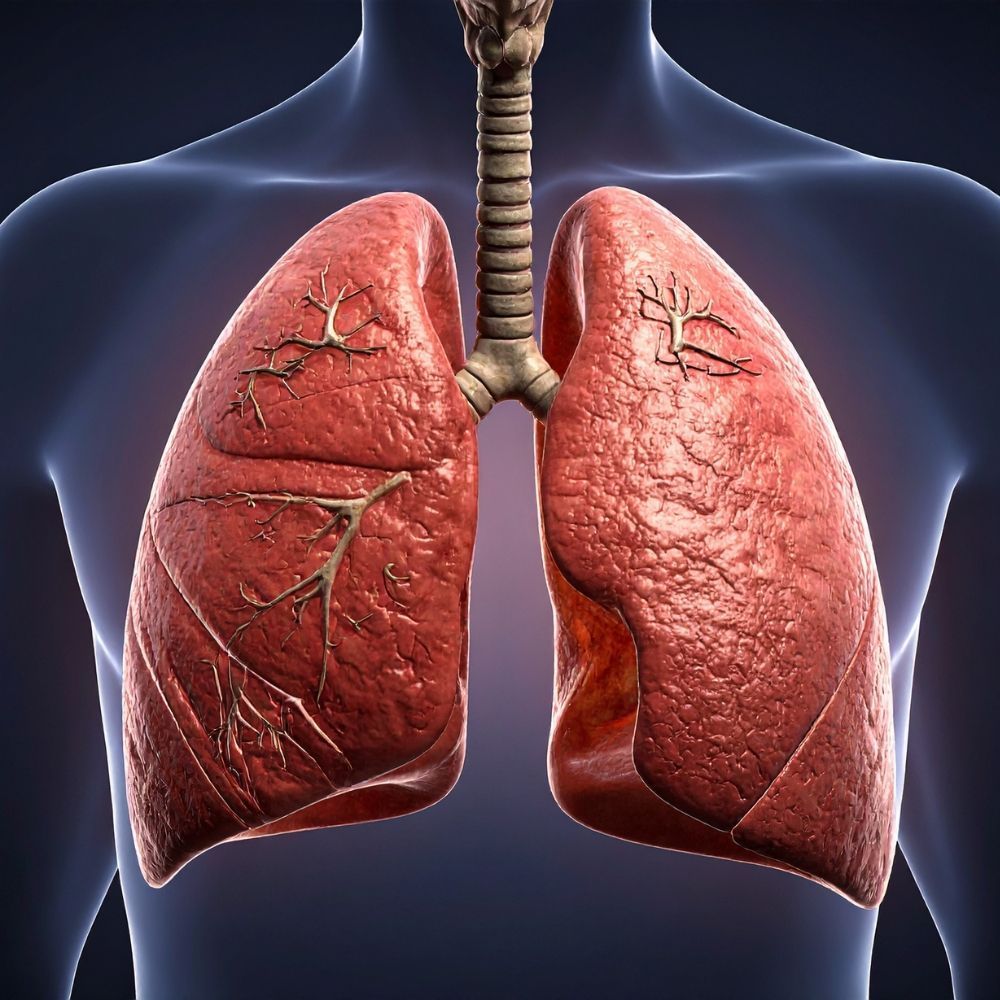
Smoking is the leading cause of preventable death in the United States, responsible for more than 480,000 deaths per year. Quitting at any age produces immediate and cumulative health benefits. Within 12 hours, carbon monoxide levels normalize. Within one year, heart disease risk is cut in half. Within 10 to 15 years, lung cancer risk approaches that of a non-smoker.

02 Willpower Alone Has a Low Success Rate

Less than 5 percent of unaided quit attempts result in long-term abstinence. Combining FDA-approved medication with behavioral support raises the success rate to 20 to 35 percent per attempt. The right treatment makes a measurable difference.

03 It Is Never Too Late to Benefit

The health benefits of quitting smoking begin immediately and continue for years after cessation. Even smokers who quit at 60 or 65 experience meaningful improvements in cardiovascular risk, lung function, and mortality risk compared to those who continue. There is no age at which quitting stops being worthwhile.
Nicotine addiction and cessation at Superior Health Medical
Understanding Nicotine Addiction Why Quitting Is Hard
and What Actually Helps

Nicotine is one of the most rapidly addictive substances known. It reaches the brain within seconds of inhalation, triggering the release of dopamine and producing immediate reinforcement. Over time, the brain adapts to regular nicotine exposure by reducing its own dopamine production and receptor sensitivity, making the smoker dependent on nicotine simply to feel normal.

When you try to quit, the absence of nicotine triggers withdrawal symptoms including irritability, anxiety, difficulty concentrating, sleep disruption, increased appetite, and intense cravings. These symptoms are physiologically real and predictably occur in the days to weeks after quitting. Nicotine replacement therapy and prescription cessation medications work by addressing these withdrawal symptoms so you can focus on changing the behavioral side of the addiction.

The behavioral side of smoking is equally powerful. After years of smoking, specific situations, emotions, social environments, and routines have become deeply associated with the act of smoking. These conditioned triggers can produce cravings long after the physical withdrawal has resolved. Dr. Akers helps you identify your specific triggers and develop effective responses for each.

Recovery after quitting smoking at Superior Health Medical
After You Quit What to Expect in
the Days and Weeks After Quitting

The first two weeks after quitting are typically the most difficult. Withdrawal symptoms peak in the first few days and gradually subside over one to two weeks. Dr. Akers prepares you for this timeline, ensures your medication is in place before your quit date, and is available for follow-up if symptoms are particularly challenging or cravings are not adequately controlled.

After the acute withdrawal phase, the challenge shifts primarily to managing conditioned triggers and maintaining commitment during high-risk situations like stress, social events where others smoke, alcohol use, and low-motivation periods. Dr. Akers provides ongoing support through this phase with relapse prevention strategies and scheduled check-ins.

Schedule Your Cessation Consultation
Frequently Asked Questions Your Questions,
Answered
The combination of an FDA-approved cessation medication, particularly varenicline, with behavioral counseling support is the most effective approach to smoking cessation, producing success rates two to three times higher than unaided quit attempts. Dr. Akers uses both components in cessation care.
Yes. Earlier concerns about neuropsychiatric side effects associated with varenicline have not been confirmed in large-scale studies. Varenicline is FDA-approved, widely prescribed, and considered the most effective single pharmacological aid for smoking cessation available. Dr. Akers reviews all relevant side effects with you and monitors your response during treatment.
Standard cessation medication courses are 12 weeks, with an option to extend to 24 weeks for additional support. Some patients require a second course if they relapse after completing one course. Nicotine replacement therapy duration varies depending on the level of dependence.
Multiple quit attempts before achieving lasting cessation is the norm, not the exception. Each attempt provides information about what strategies work for you and what factors lead to relapse. Dr. Akers evaluates your past attempts to understand what has and has not worked and designs a plan that specifically addresses the factors that led to previous relapses.
You can smoke during the first week on varenicline while the medication builds to an effective level. You set your quit date for after the first week of treatment. Nicotine replacement therapy is designed to be used after you stop smoking, not alongside it, to avoid nicotine overdose. Dr. Akers will give you specific instructions on the timing of your quit date relative to starting medication.