Joint
Injections
Precision relief. Right where you need it.

Targeted in-office joint injections for pain relief, reduced inflammation, and improved mobility, administered by Dr. Akers with precision and clinical care.

Book an Appointment


Florida Insurances
Georgia Insurances
New York Insurances
South Carolina Insurances
North Carolina Insurances
When Pills Are Not Enough Relief Delivered
Directly

When joint pain, inflammation, or stiffness is limiting your life and oral medications are not providing adequate relief, a joint injection can deliver targeted treatment directly to the source. Corticosteroid injections reduce inflammation in the joint space itself, providing faster and more localized relief than systemic medications can achieve.

At Superior Health Medical and Wellness, Dr. Akers performs joint injections with clinical precision in-office. She evaluates your joint, confirms the appropriate injection type for your diagnosis, and administers the injection using careful technique to maximize effectiveness and minimize discomfort.

Book Your Appointment
Joint injection treatment at Superior Health Medical and Wellness
Joint Injection Services What We Provide

From corticosteroid injections for arthritis and bursitis to knee and shoulder joint injections for acute and chronic pain, Dr. Akers provides targeted joint injection therapy at Superior Health. Explore the services below.

Corticosteroid injections deliver a potent anti-inflammatory medication directly into the affected joint. They are effective for reducing inflammation and pain in conditions including osteoarthritis, rheumatoid arthritis flares, bursitis, and tendinitis. Relief typically begins within a few days and can last weeks to several months, depending on the joint and the underlying condition.
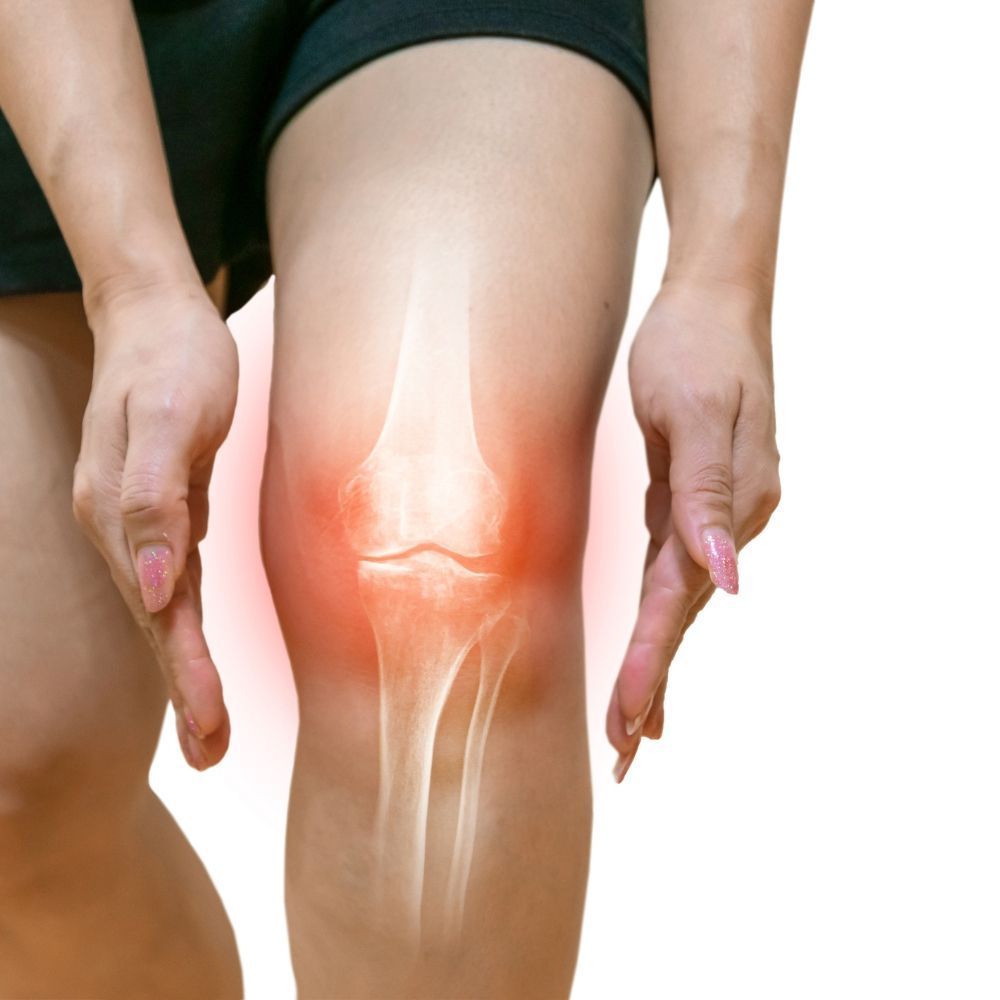
The knee is one of the most commonly injected joints. Corticosteroid injections are effective for knee osteoarthritis, bursitis, and inflammatory arthritis flares. Dr. Akers evaluates your knee, confirms the diagnosis, and administers the injection with careful anatomical precision to ensure medication is delivered to the correct space.
Shoulder injections are commonly used for rotator cuff tendinitis, subacromial bursitis, glenohumeral osteoarthritis, and adhesive capsulitis (frozen shoulder). Dr. Akers evaluates the shoulder carefully to identify the primary pain generator and injects the appropriate compartment for your diagnosis.
Hip injections are used for hip osteoarthritis, trochanteric bursitis, and hip flexor tendinitis. Dr. Akers evaluates the clinical presentation to identify whether the pain originates in the joint itself or in the surrounding bursae and soft tissues, selecting the injection target accordingly.
Dr. Akers evaluates your response to injection therapy at follow-up visits. She monitors the duration and degree of relief, reassesses the underlying condition, and determines whether additional injections or a change in treatment approach is warranted. Corticosteroid injections are generally limited to three to four per joint per year to minimize potential adverse effects on joint tissue.
Why It Matters Targeted Relief When
Systemic Medications Fall Short
Joint injection therapy at Superior Health Medical and Wellness
01 Injections Treat the Source, Not the System

Oral anti-inflammatory medications travel through your entire bloodstream to reach an inflamed joint. A joint injection delivers medication directly to the source of the inflammation, achieving higher local concentrations with significantly lower systemic exposure. For patients who cannot tolerate oral NSAIDs or steroids at high doses, injections offer effective pain relief with a more favorable side effect profile.

02 Pain Relief Enables Better Function and Rehabilitation

Severe joint pain often prevents patients from participating in physical therapy, maintaining activity, or performing daily functions. Adequate pain relief from a joint injection creates a window in which physical therapy and lifestyle modifications can be more effectively pursued. Pain control is a means to an end, and that end is better long-term joint function.

03 Not Everyone Is a Candidate for Surgery

Many patients with joint pain are not ready for or do not want joint replacement surgery. Joint injections provide an effective, minimally invasive option for managing pain and inflammation during the period before surgery is needed or considered. Dr. Akers helps patients manage their joints and maintain quality of life at every stage of their condition.

Joint injection procedure at Superior Health Medical
What to Expect Your Joint Injection
Appointment

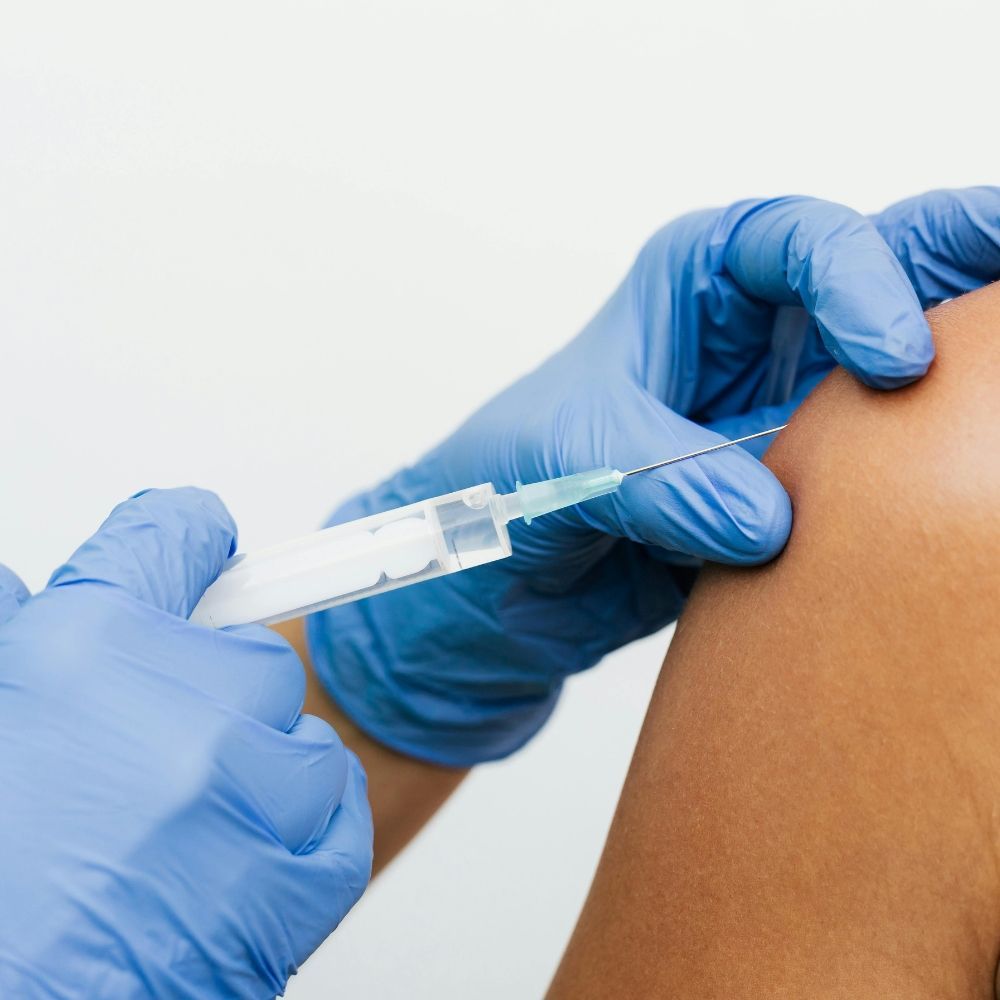
Joint injection appointments at Superior Health are straightforward and efficient. Dr. Akers begins by reviewing your diagnosis, your previous response to treatment, and your current medications. She identifies the joint to be injected and prepares the skin with antiseptic solution before administering the injection.

The injection itself takes only a few seconds. Most patients experience mild pressure or a brief sharp sensation as the needle enters the joint space. Dr. Akers uses careful technique and, when appropriate, can use topical numbing agents to minimize discomfort. After the injection, you will be observed briefly before leaving.

You may experience a temporary increase in discomfort in the first 24 to 48 hours after injection as the corticosteroid begins to work. This is normal and typically resolves quickly as the medication takes effect. Dr. Akers will give you specific post-injection instructions and let you know when to expect relief and what to monitor.

Joint injection monitoring at Superior Health Medical
Injection Frequency and Limits How Often Can You
Receive Joint Injections?

Corticosteroid joint injections are generally recommended no more than three to four times per year in a single joint. Repeated high-dose steroid injections over time can accelerate cartilage breakdown and weaken the surrounding tendons and ligaments. Dr. Akers tracks your injection history and evaluates your response to ensure you are receiving the appropriate number of injections for your specific condition.

Between injection cycles, Dr. Akers helps you optimize other treatment modalities including physical therapy, activity modification, weight management, and oral medications to maximize the benefit from each injection and reduce the frequency with which additional injections are needed. The goal is always to support the best possible long-term joint health alongside pain management.

Book Your Joint Injection Appointment
Frequently Asked Questions Your Questions,
Answered
The duration of relief from a corticosteroid injection varies based on the joint, the underlying condition, and individual patient factors. Some patients experience relief for a few weeks, while others find that a single injection provides relief for three to six months. Dr. Akers monitors your response and helps you determine the right treatment interval for your specific situation.
Most patients describe the injection as involving brief, mild to moderate discomfort at the moment of needle insertion, which resolves within seconds. Dr. Akers uses careful technique to minimize discomfort and can apply a topical numbing agent to the skin beforehand. Most patients find the procedure much more manageable than they anticipated.
Yes, in most cases. Joint injections at Superior Health are performed with local anesthetic at the injection site only, not general or sedation anesthesia, so you are fully alert and able to drive after the procedure. Dr. Akers will advise you on any activity restrictions specific to the joint injected.
No. Joint injections treat the pain and inflammation of arthritis but do not stop or reverse the underlying disease process. They are an important tool for managing symptoms and maintaining quality of life, particularly when surgery is not yet indicated or not desired. Dr. Akers integrates injection therapy into a broader management plan that addresses all aspects of your joint health.
Corticosteroid injections are generally limited to three to four per joint per year. Exceeding this frequency increases the risk of cartilage damage and tendon weakening over time. Dr. Akers tracks your injection history carefully and evaluates whether additional injections remain appropriate or whether a different treatment approach should be considered.
Yes. Hyaluronic acid injections (viscosupplementation) are another option for knee osteoarthritis in patients who do not respond adequately to corticosteroids. PRP (platelet-rich plasma) injections are also available for certain orthopedic conditions. Dr. Akers will discuss all available options with you based on your diagnosis, prior treatment history, and treatment goals.