Acute Back
Pain
Back on your feet. Faster.

Expert evaluation and targeted treatment for sudden or severe back pain, without the ER cost, the long wait, or the prescription handed to you without a real exam.

Book an Appointment


Florida Insurances
Georgia Insurances
New York Insurances
South Carolina Insurances
North Carolina Insurances
Evaluated. Treated. Recovered. Back Pain That
Stops You Cold

Acute back pain can come on without warning and make even the simplest movement feel impossible. Whether it hit during a workout, while lifting something, or simply from turning the wrong way, sudden back pain is one of the most common reasons people end up in urgent care or the ER. But you have a better option.

At Superior Health Medical and Wellness, Dr. Akers evaluates acute back pain the way it deserves to be evaluated: a real physical exam, a thorough history, an assessment of your neurological function, and a targeted treatment plan based on what is actually happening, not a one-size-fits-all approach.

Book Your Appointment

Acute back pain evaluation at Superior Health Medical
Acute Back Pain Services What We Provide

Effective back pain care requires the right evaluation, not just a prescription. Explore the services below to understand how Dr. Akers approaches acute back pain at Superior Health.

Dr. Akers performs a thorough physical exam to evaluate the location and character of your pain, range of motion, muscle spasm, and neurological function. She assesses reflexes, strength, and sensation in your lower extremities to identify any signs of nerve involvement that would require further evaluation.
When imaging is clinically indicated, Dr. Akers orders the appropriate study and coordinates rapid referral. X-rays help identify fractures, structural abnormalities, and alignment issues. An MRI provides detailed visualization of the soft tissues, discs, and nerve roots when more complex pathology is suspected.
For back pain involving significant muscle spasm, prescription muscle relaxants can provide faster and more effective relief than over-the-counter options alone. Dr. Akers prescribes when clinically appropriate and provides guidance on how to use them safely alongside other treatment.
Inflammation is a major driver of back pain severity. Dr. Akers may prescribe prescription-strength anti-inflammatory medications or an oral steroid course when the level of inflammation warrants something beyond what standard OTC doses can address.
Dr. Akers develops a short-term pain management plan that may include medications, targeted activity modification, heat or ice guidance, and a timeline for expected recovery. She will also identify the point at which physical therapy or specialist referral would be beneficial.
When imaging reveals disc herniation, spinal stenosis, or other structural findings that require specialist evaluation, Dr. Akers coordinates a timely referral to the appropriate specialist so your care escalates quickly rather than stalling in a waiting room.
Why It Matters Back Pain Needs
a Real Evaluation
Back pain treatment and recovery at Superior Health
01 Not All Back Pain Is the Same

Muscle strain, disc herniation, nerve compression, spinal stenosis, and fracture can all present as back pain, but they require very different treatment approaches. Getting the right diagnosis from the start means getting the right treatment and avoiding weeks of ineffective management.

02 Red Flag Symptoms Require Immediate Attention

Back pain accompanied by numbness or tingling down your leg, bladder or bowel changes, weakness in your legs, or pain following a significant fall or trauma requires prompt evaluation. These symptoms can indicate nerve compression or more serious spinal pathology that needs to be identified quickly.

03 Early Treatment Prevents Chronic Pain

Acute back pain that is properly managed often resolves within four to six weeks. Back pain that is undertreated, ignored, or managed with generic recommendations is more likely to become chronic. Starting with the right evaluation and treatment plan dramatically improves your long-term recovery trajectory.

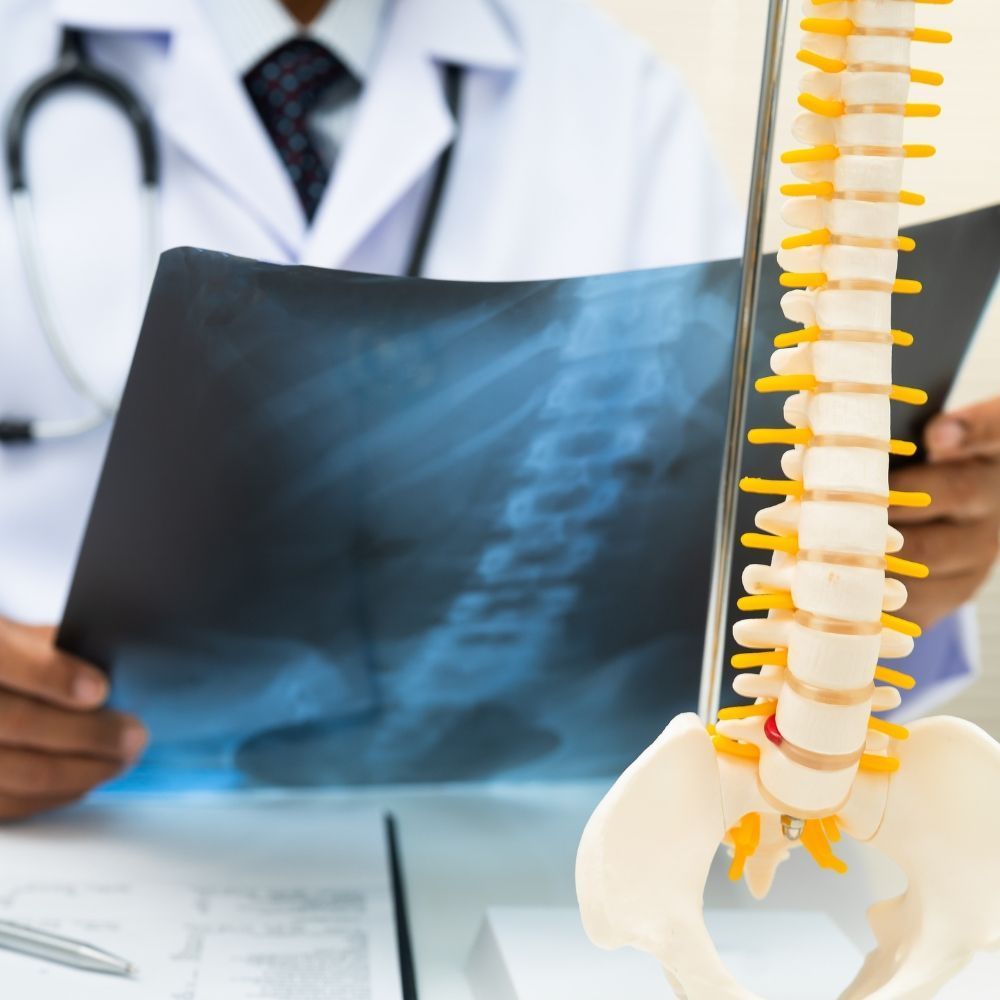
Physician back pain examination at Superior Health
Muscle Strain vs. Disc What Type of Back Pain
Do You Have?

The most common cause of acute back pain is muscle strain or spasm, which typically results from lifting, twisting, or sudden movement. This type of pain is usually felt across the lower back or in a specific area, worsens with movement, and improves with rest, heat, and anti-inflammatory treatment. It often resolves within one to two weeks with appropriate management.

Disc-related pain, by contrast, often radiates down one leg, may be accompanied by numbness or tingling, and can be worsened by sitting or specific positions. If you have any of these symptoms, Dr. Akers will evaluate you for nerve involvement and order imaging if indicated.

Other causes of back pain that warrant physician evaluation include kidney stones, kidney infections, and, in rare cases, vertebral fracture. A thorough history and physical exam allows Dr. Akers to differentiate between these possibilities and direct your care appropriately from the start.

Urgent back pain care at Superior Health Medical
When to Seek Immediate Care Symptoms That Change
the Urgency Level

Most acute back pain is musculoskeletal and responds well to conservative treatment. However, certain symptoms should prompt same-day evaluation rather than waiting. If your back pain is accompanied by leg weakness, bladder or bowel dysfunction, numbness in the groin or inner thighs, or follows a significant trauma, do not wait.

Dr. Akers evaluates these symptoms seriously and will escalate your care accordingly, including emergency referral if cauda equina syndrome or another urgent spinal condition is suspected. For all other back pain presentations, she provides the level of evaluation and treatment you need to start healing right.

Book Your Evaluation
Frequently Asked Questions Your Questions,
Answered
Not usually. Complete bed rest is rarely recommended for acute back pain and can actually slow recovery. Dr. Akers will advise you on the level of activity modification appropriate for your specific injury, which typically involves staying reasonably active within your pain tolerance while avoiding the movements or activities that caused the injury.
Most acute back pain does not require immediate imaging. Dr. Akers orders MRI when you have symptoms suggesting nerve involvement such as leg pain, numbness, or weakness, when pain is severe and not responding to initial treatment, when there is a history of cancer, or when symptoms do not improve as expected. Imaging too early in an uncomplicated muscle strain rarely changes the management plan.
Yes. For back pain involving significant muscle spasm, Dr. Akers can prescribe a muscle relaxant when clinically appropriate. She will review your other medications and health history to select the right medication and will advise you on how to use it safely.
Most acute back pain resolves within four to six weeks with appropriate management. Muscle strains often improve significantly within one to two weeks. Pain that persists beyond six weeks, worsens over time, or is accompanied by neurological symptoms warrants further evaluation to investigate disc or nerve involvement.
Not necessarily, at least not right away. Dr. Akers manages most cases of acute back pain effectively. If imaging reveals disc herniation with significant nerve compression, spinal stenosis, or another finding that warrants specialist input, she will coordinate a timely referral to orthopedics or neurosurgery so your care continues without delay.