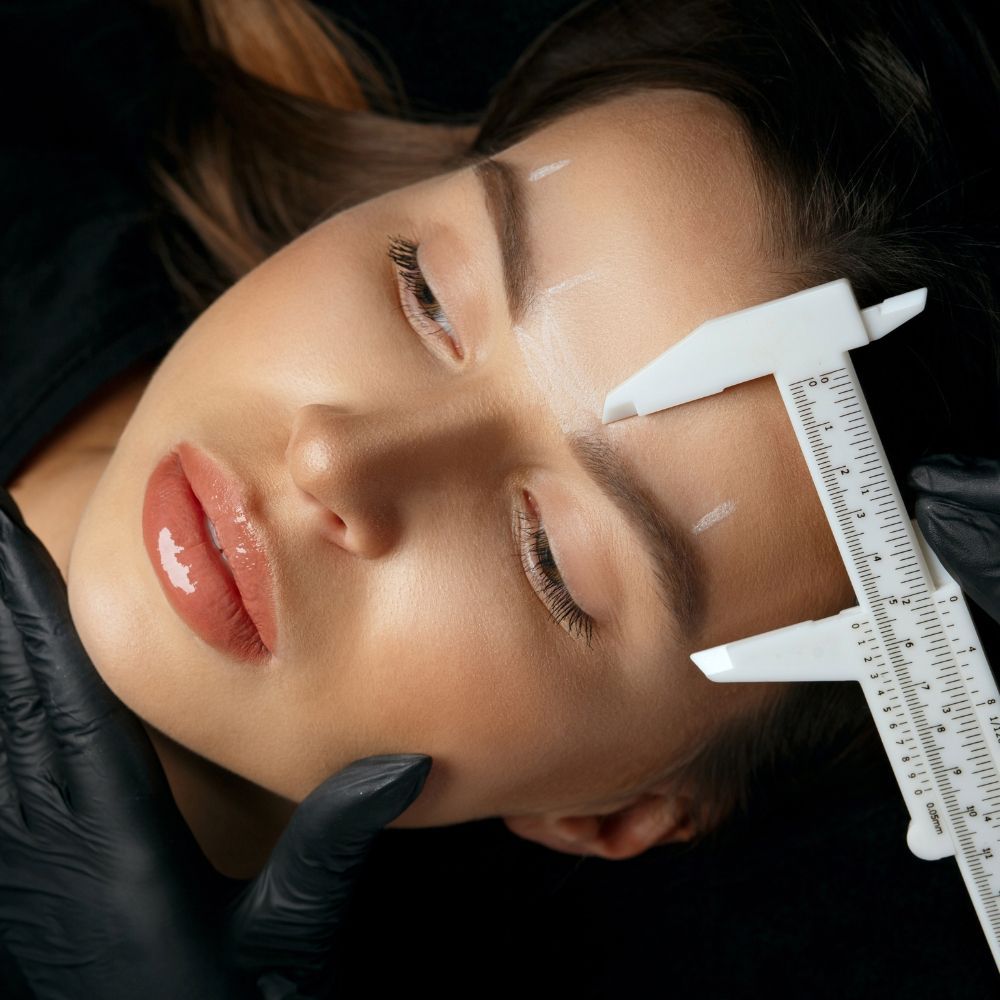
Brow PRP
Hair Restoration
Full brows. Physician precision.

Targeted platelet-rich plasma treatment that delivers concentrated growth factors to the eyebrow follicles, restoring fullness, density, and natural shape to sparse or over-tweezed brows.

Book an Appointment


Florida Insurances
Georgia Insurances
New York Insurances
South Carolina Insurances
North Carolina Insurances
Your Brows Define Your Face Natural Fullness
Without Microblading

Eyebrows frame the face and have a disproportionate effect on facial appearance, expression, and perceived age. Sparse or thin brows from over-tweezing, aging, hormonal changes, alopecia areata, or simply genetics can be one of the most impactful aesthetic concerns a person experiences. While makeup and microblading can camouflage sparse brows, they do not restore actual hair. PRP brow treatment does, by stimulating the dormant or miniaturized follicles that still exist in the brow area to resume producing hair.

At Superior Health Medical and Wellness, Dr. Akers administers PRP brow treatment as a series of precise microinjections into and around the brow area, targeting the follicular units responsible for brow hair production. The approach is fundamentally different from cosmetic tattooing or microblading: rather than creating the appearance of brows, it restores actual brow hair growth, producing results that move naturally with facial expression, do not fade or blur over time, and do not require maintenance tattooing.

Book Your Appointment
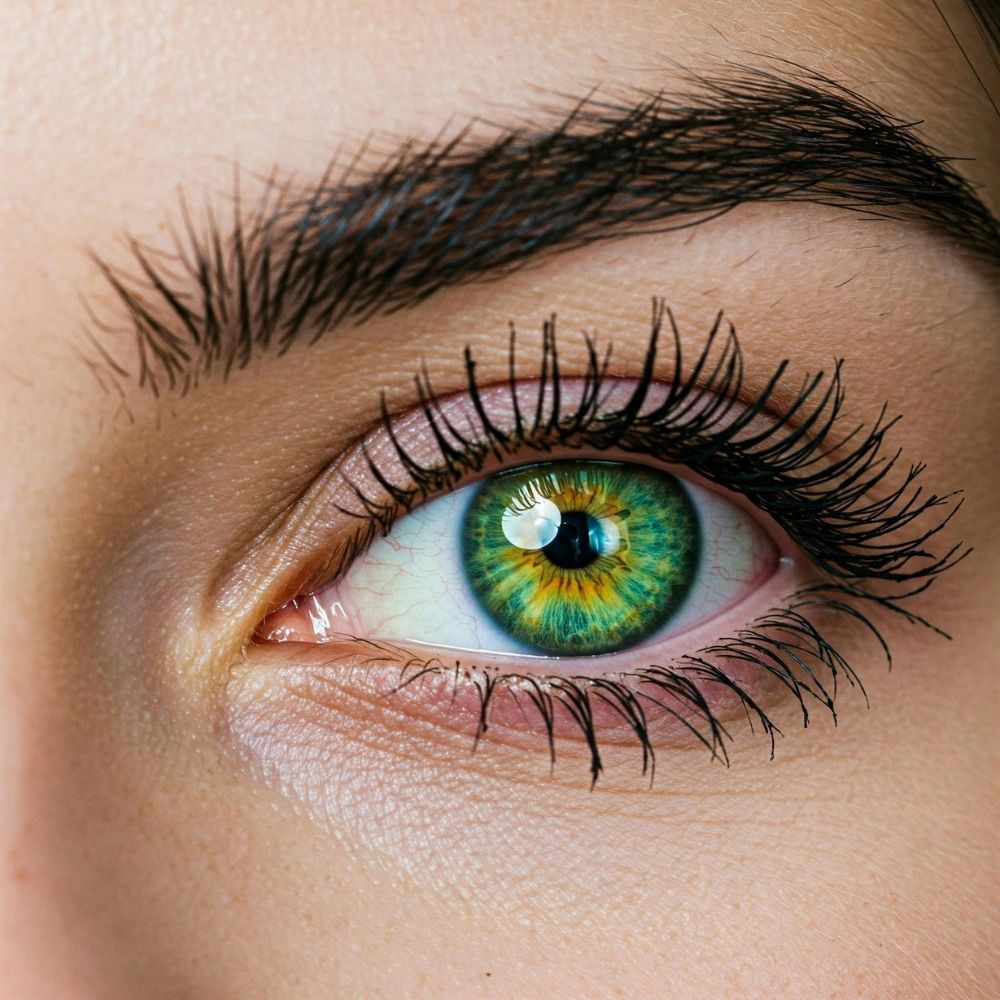
Brow PRP hair restoration at Superior Health Medical and Wellness
Brow PRP Restoration Services What We Provide

From targeted brow PRP injections for sparse areas and over-tweezed damage to comprehensive brow restoration protocols and combination treatments, Superior Health provides physician-administered brow PRP treatment. Explore the services below.

PRP brow treatment involves a series of microinjections placed precisely within the brow area, targeting the zones of sparsity or absence. The injections deliver concentrated growth factors directly to the dormant or miniaturized follicles in the brow, stimulating them to re-enter the active growth phase and produce new brow hairs. The procedure is performed with topical numbing and takes about 30 minutes. Most patients tolerate it comfortably with mild pressure rather than pain.
Repeated over-tweezing over years can cause permanent follicular damage or dormancy that prevents natural brow regrowth. When follicles have been repeatedly traumatized, they may stop producing hair even after tweezing is discontinued. PRP treatment targeted to these dormant follicles can reactivate a meaningful proportion of them, producing new brow hairs in areas where natural regrowth has stalled. Results depend on how many follicles remain viable in the area.
Alopecia areata can affect the eyebrows, producing patchy or complete brow hair loss with no underlying structural brow damage. Because the follicles in alopecia areata are generally healthy but suppressed by an autoimmune response, PRP can be effective in stimulating regrowth by providing the growth factor signal that competes with the inhibitory autoimmune environment. Dr. Akers evaluates each alopecia areata patient individually to assess the likelihood of response.
Combining brow microneedling with PRP enhances growth factor delivery across the entire brow area rather than the discrete injection points of standard PRP. This is particularly useful for patients with diffuse brow thinning across the full brow rather than focal sparse areas. The microneedling also provides direct follicular stimulation alongside the growth factor delivery, producing a more comprehensive reactivation effect.
Some patients have lost significant brow density and shape due to years of over-tweezing or hormonal thinning. Full brow architecture restoration involves a planned treatment series that addresses all zones of the brow: the head (inner), body, and tail, with treatment density calibrated to the degree of sparsity in each zone. Dr. Akers maps the brow area at consultation and designs a treatment plan that targets each zone appropriately.
Following the initial brow restoration series, maintenance sessions every six to twelve months sustain the follicular stimulation and prevent re-thinning. Brow follicles are responsive to PRP growth factor stimulation but require ongoing support to maintain density, particularly when underlying causes such as aging, hormonal changes, or androgenetic factors are present. Dr. Akers designs a maintenance schedule appropriate to your brow restoration results and any underlying contributors to your brow thinning.
Why It Matters Real Hair.
Real Results.
Brow PRP restoration results at Superior Health Medical
01 PRP Grows Real Brow Hair, Not a Simulation

Microblading, brow tattooing, and makeup create the appearance of brows without restoring actual hair. They fade, require maintenance, and cannot mimic the natural movement and texture of real brow hair. PRP brow treatment restores actual follicular activity, producing real hair that grows, responds to your face naturally, and does not require periodic re-application. For patients who want genuine brow restoration rather than cosmetic camouflage, PRP is the appropriate treatment.

02 The Results Improve Progressively

PRP brow restoration works through a biological process that takes time. New brow hairs stimulated by the treatment go through a growth cycle that produces visible length and density gradually over three to six months. Each session adds to the cumulative follicular stimulation, and results continue improving throughout the treatment series and for months afterward as new growth matures. The final result is considerably better than what is visible after the first session.

03 It Is Physician-Administered for Precision

The brow area is a small, anatomically precise zone where injection placement matters. Dr. Akers places each injection with clinical precision to target the specific follicular units within the brow, avoiding the periocular structures nearby and ensuring PRP is delivered to the correct tissue depth. The physician-administered approach ensures both the safety and the precision that brow PRP treatment requires.

Superior Health Medical & Wellness
Restore the Frame
Your Face Deserves

Targeted PRP growth factor delivery that reactivates dormant brow follicles, fills in sparse areas, and rebuilds brow density from the hair follicle itself.

Book a Consultation
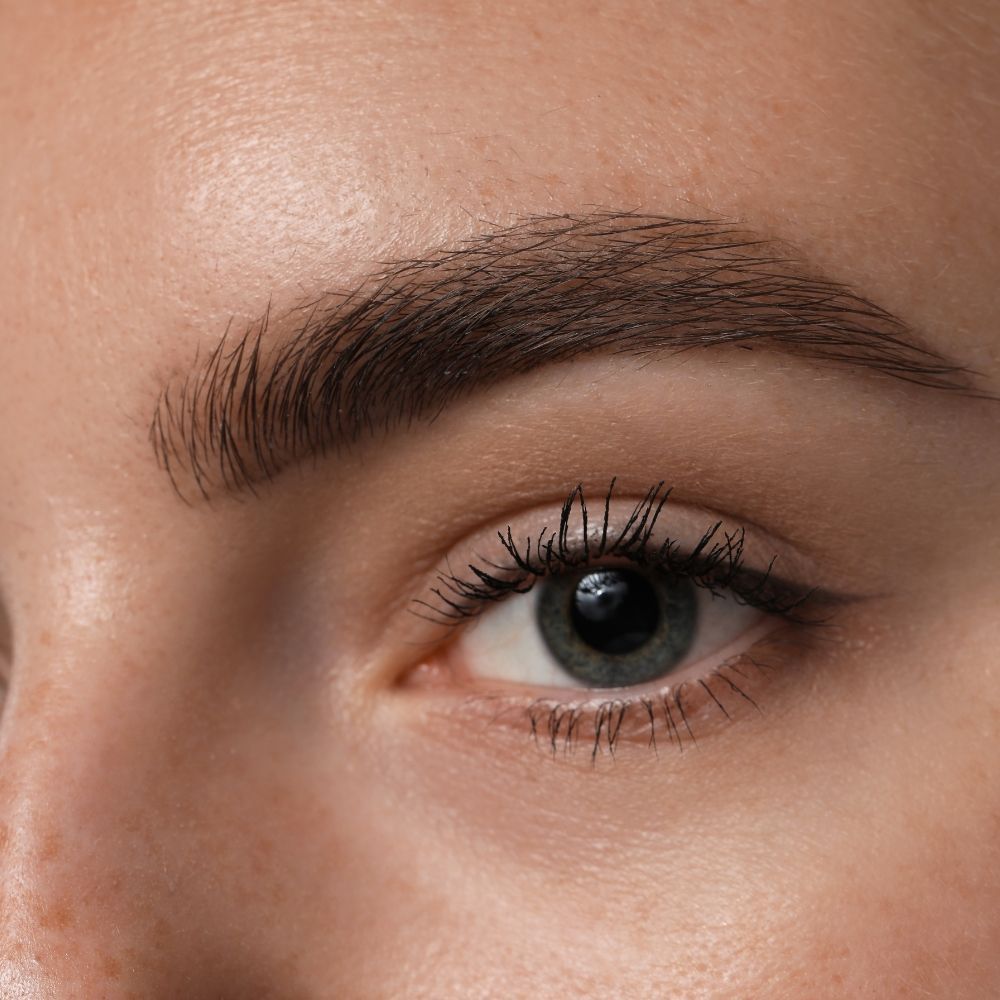
Brow follicle PRP science at Superior Health Medical
The Science Why Brow Follicles
Respond to PRP

Eyebrow follicles have the same basic structure as scalp hair follicles and contain the same population of follicular stem cells that respond to PRP growth factors. The brow hair growth cycle is shorter than scalp hair, producing the characteristically short, defined brow hairs that grow to a fixed length and then shed. PRP growth factors, particularly PDGF and VEGF, extend the anagen phase of brow follicles and stimulate dormant follicles to re-enter the active growth phase.

Follicles that have been repeatedly tweezed or traumatized may be in a prolonged telogen or dormant phase rather than permanently destroyed. As long as the follicular stem cells in the bulge region remain intact, the follicle retains the capacity to produce hair. PRP delivers the growth factor signal that can reactivate these dormant cells and restart the hair production process, even in follicles that have not produced visible hair for years.

The periocular skin is thinner and more vascular than scalp skin, which may actually enhance PRP uptake and growth factor delivery in the brow area compared to the scalp. This vascular environment supports the angiogenic effects of VEGF in PRP, improving local blood supply to brow follicles and sustaining the growth factor environment between treatment sessions.
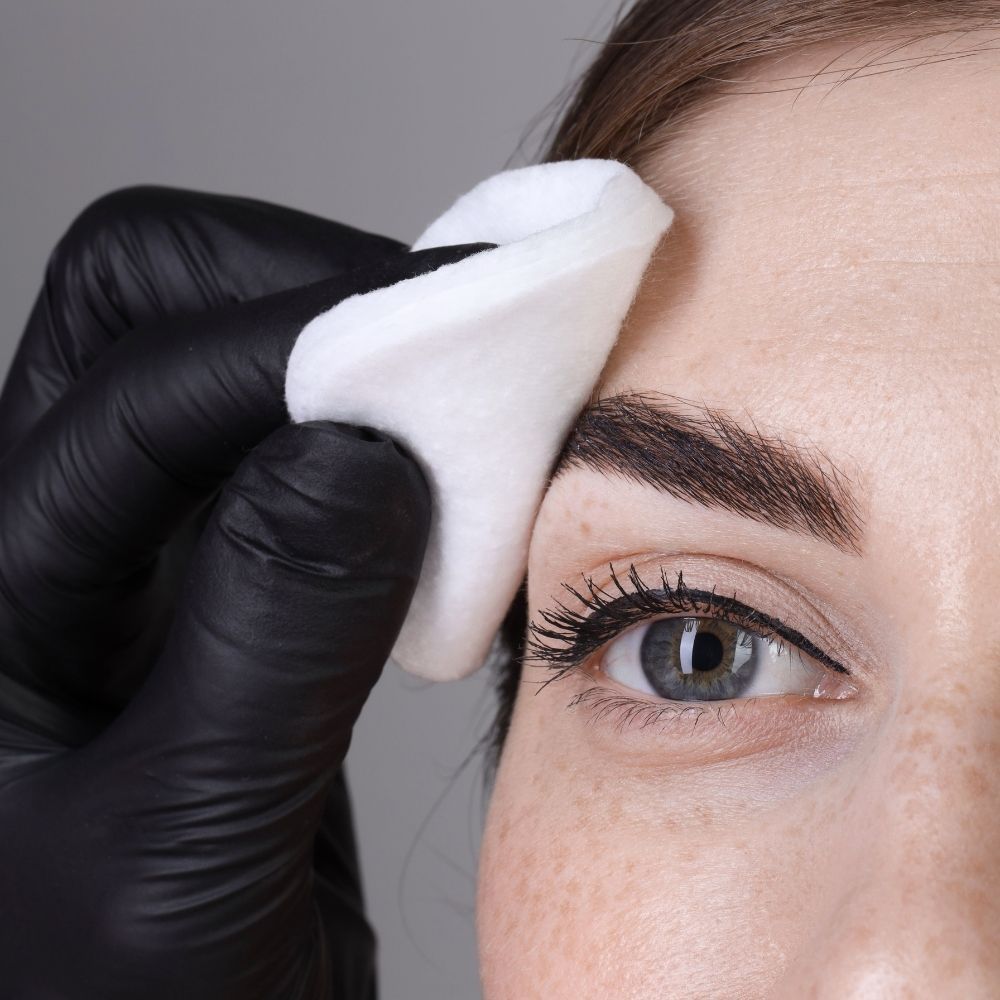
Brow PRP treatment at Superior Health Medical and Wellness
Your Treatment The Brow PRP
Treatment Experience

Brow PRP sessions take approximately 45 to 60 minutes including blood draw and centrifuge preparation. Topical numbing cream is applied to the brow area before injection. Dr. Akers uses very fine needles to place microinjections precisely within and around the brow, targeting the zones of sparsity identified at your consultation mapping. The injection pattern is tailored to your specific brow architecture and the areas that need the most follicular stimulation.

After treatment, the brow area may be slightly red or show small papules at injection sites for two to four hours. Mild bruising is possible given the thin skin around the eyes. Most patients return to normal activities immediately. A standard brow PRP series involves three to four sessions spaced four to six weeks apart. Visible new brow growth typically begins to appear two to three months into the series, with full results at six months after completing the initial course.

Schedule Your Brow PRP Consultation
Frequently Asked Questions Your Questions,
Answered
If follicles are still present in the brow area, even if they have been dormant for many years, PRP has the potential to reactivate them. The key question is follicular viability. Follicles that were traumatized by repeated tweezing but not permanently destroyed retain their stem cell population and can respond to PRP. Areas where follicles have been completely absent for a very long time may have less viable tissue to work with. Dr. Akers evaluates the brow area at consultation to assess follicular viability before recommending treatment.
Microblading creates tattooed pigment in the skin to simulate the appearance of brow hairs. It produces realistic-looking results but fades over one to two years and requires maintenance sessions. It does not grow or restore actual hair. Brow PRP stimulates existing follicles to produce real brow hair that grows naturally, responds to facial expression, and does not fade. For patients whose follicles are viable, PRP produces more natural and lasting results than microblading.
The brow area is more sensitive than the scalp, but topical numbing cream applied before treatment significantly reduces discomfort. Most patients describe the sensation as mild pressure or a brief stinging with each microinjection. The procedure is brief and well-tolerated with adequate numbing. Dr. Akers uses the finest available needles for brow treatment and works efficiently to minimize treatment time.
A standard initial series is three to four sessions spaced four to six weeks apart. Patients with significant sparsity or follicular dormancy may benefit from five to six sessions. Results continue developing for three to six months after the final session in the initial series as new growth matures. Maintenance sessions every six to twelve months sustain the results.
Yes. If you are treating both scalp hair loss and brow sparsity, Dr. Akers can perform scalp and brow PRP in the same session using the same PRP preparation. Combining treatments is efficient and avoids the need for separate blood draws. The injection technique and placement are simply adapted to address both treatment areas in a single appointment.