Non-Surgical
Brow Lift
Lift the brow. Refresh everything.

Strategic neurotoxin and filler placement to elevate a descended brow, open the eye area, and restore a more youthful upper face without surgery or downtime.

Book an Appointment

Florida Insurances
Georgia Insurances
New York Insurances
South Carolina Insurances
North Carolina Insurances
The Brow Changes Everything Open. Elevated.
Naturally Refreshed.

The position of the brow has an outsized influence on facial expression and the perceived age of the upper face. A descended brow creates heaviness in the upper eyelid area, narrows the apparent eye opening, and imparts an expression of fatigue or displeasure even when the face is completely relaxed. Elevating the brow, even by a few millimeters in the right direction, opens the eye area, softens the forehead, and transforms the overall expression of the upper face.

At Superior Health Medical and Wellness, Dr. Akers uses a combination of precisely placed neurotoxin and, when appropriate, filler to achieve meaningful brow elevation without surgery. The technique is anatomy-driven: she identifies which muscles are depressing the brow, which portion of the brow needs elevation, and what the ideal brow shape and position is for your specific facial structure before placing a single unit of neurotoxin.

Book Your Appointment
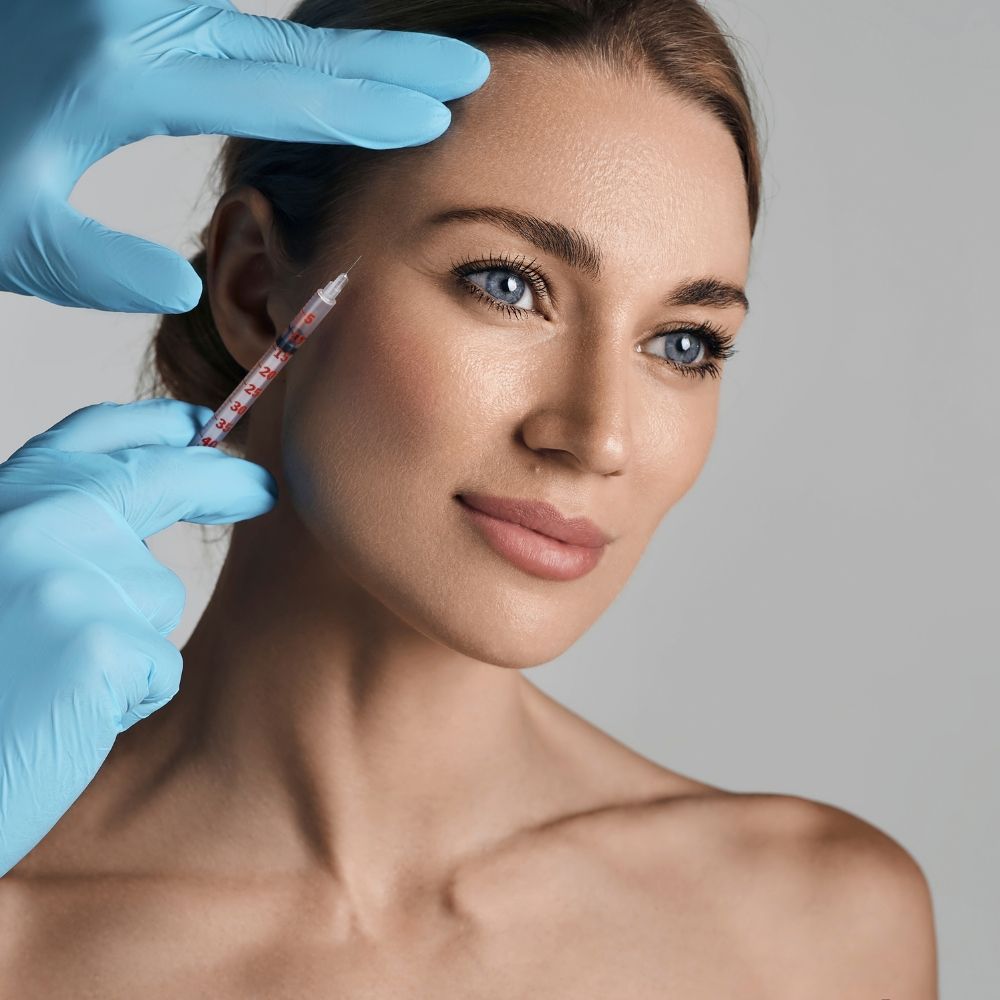
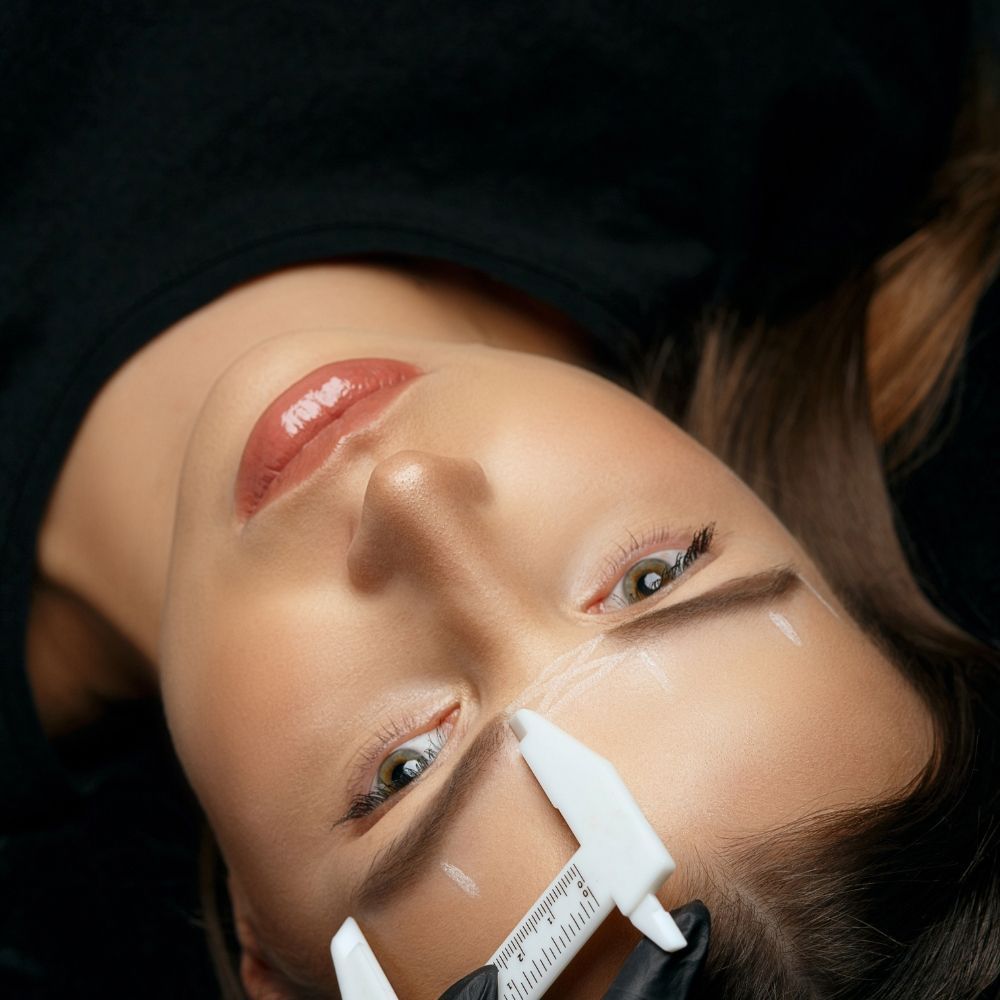
Non-surgical brow lift at Superior Health Medical and Wellness
Non-Surgical Brow Lift Services What We Provide

From lateral brow lifting with neurotoxin to full brow repositioning with filler and thread combination protocols, Dr. Akers provides precision non-surgical brow lifting at Superior Health. Explore the options below.

The lateral brow, the outer third of the brow, is the area most commonly affected by gravitational descent and the area most amenable to non-surgical lifting. By placing neurotoxin precisely in the lateral orbicularis oculi muscle that pulls the lateral brow downward, Dr. Akers allows the frontalis muscle to elevate the outer brow unopposed, creating a natural arch and a more open, alert eye appearance.
A comprehensive brow lift protocol addresses all depressor muscles contributing to brow descent, including the corrugators, procerus, depressor supercilii, and orbicularis. By strategically relaxing each of these while preserving appropriate frontalis activity, Dr. Akers repositions the entire brow to its optimal height and arch. The result is a brow that reflects youthful positioning while maintaining natural movement.
In some patients, brow descent is accompanied by volume loss in the brow and brow fat pad, which further contributes to a flat, heavy appearance. Small amounts of filler placed beneath the lateral brow and at the brow fat pad restore volume that supports the brow from beneath, complementing the lifting effect of neurotoxin for a more complete brow rejuvenation.
For patients with more significant brow descent that neurotoxin alone cannot adequately address, PDO thread lifting in the forehead and brow provides a structural lifting component. Threads placed in upward vectors along the lateral forehead physically reposition brow tissue and can be combined with neurotoxin brow lifting for a synergistic result greater than either treatment alone.
The ideal brow position and shape varies by gender, face shape, and personal preference. A brow that is lifted too high or in the wrong location looks unnatural. Dr. Akers evaluates your natural brow position, facial proportions, and aesthetic preferences to determine the optimal brow position and arch for your specific face before any treatment is performed.
Brow lifting is most impactful when considered as part of an overall upper face rejuvenation plan that may also include forehead line treatment, frown line relaxation, and temple volume restoration. Dr. Akers designs upper face treatment protocols that address all contributing factors to upper face aging in a coordinated plan.
Why It Matters The Brow Drives the
Expression of the Entire Face
Brow lift before and after at Superior Health Medical
01 A Low Brow Makes You Look Tired Even When You Are Not

Brow descent is one of the most common causes of the chronic tired look. When the brow falls below its optimal position, the upper eyelid skin becomes heavier, the eye opening appears smaller, and the overall expression of the face shifts toward fatigue or displeasure. Lifting the brow reverses all of these changes simultaneously.

02 Non-Surgical Brow Lifting Produces Natural Results

When performed with an understanding of brow anatomy and aesthetic proportion, non-surgical brow lifting produces results that look natural because they work with the face's own lifting muscles rather than applying external tension. The brow moves in the directions it was designed to move, just without the muscular opposition that has been pulling it down.

03 The Result Improves Adjacent Areas Without Treating Them

Lifting the brow reduces the burden on the upper eyelid by lifting the tissue that was previously weighing it down. Patients who receive a brow lift frequently notice that their upper eyelids also appear lighter and more open even though the eyelid itself was not treated. This cascade effect makes brow lifting one of the highest return-on-investment treatments in the upper face.

Superior Health Medical & Wellness
Lift the Eyes.
Refresh Everything.

A precisely elevated brow repositions the entire upper face, opening the eyes and restoring youth to a resting expression.

Book a Consultation
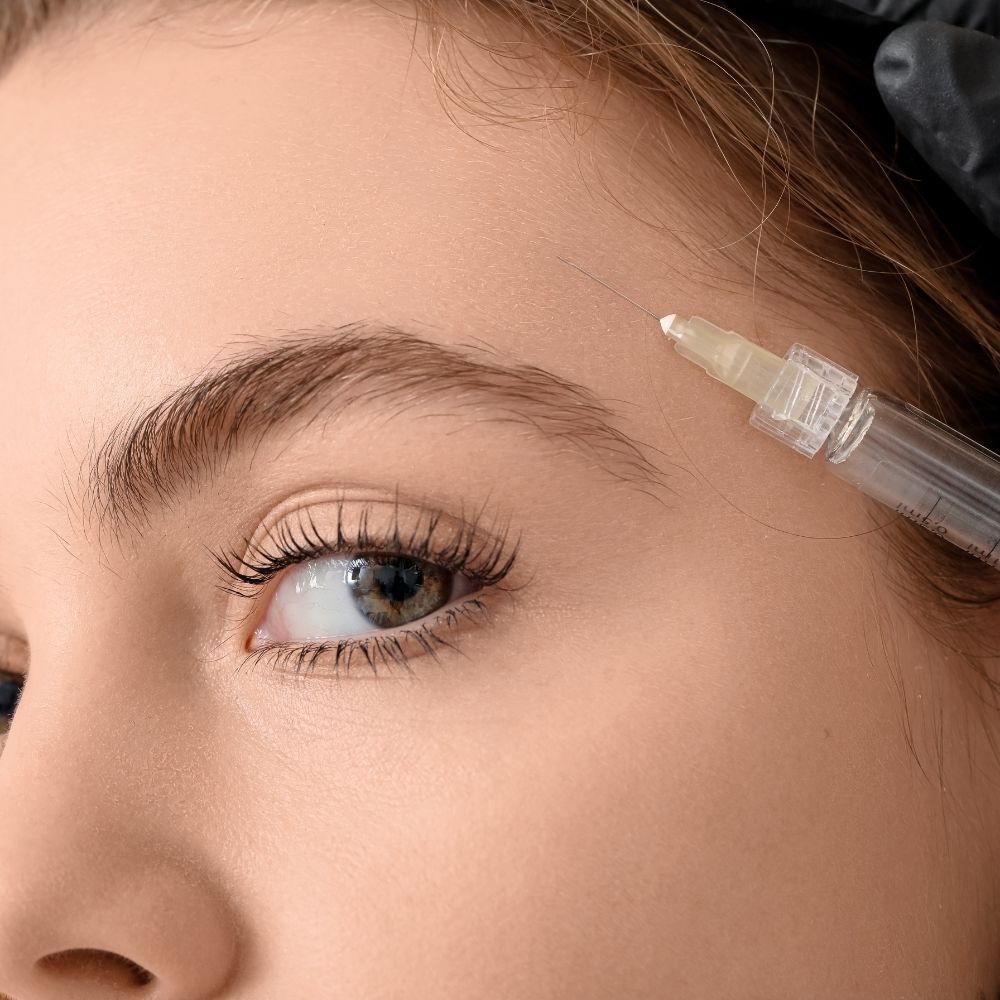
Brow anatomy and non-surgical lift at Superior Health Medical
Brow Anatomy and Lifting Why the Brow Falls
and How to Lift It

The brow is held in position by a balance of elevator muscles, primarily the frontalis, and depressor muscles including the corrugators, procerus, depressor supercilii, and orbicularis oculi. With age, the frontalis loses tone and the depressor muscles, which are typically stronger and more constantly active, begin to win the tug-of-war, pulling the brow progressively lower.

Non-surgical brow lifting works by disrupting the depressor side of this balance with neurotoxin. By weakening the muscles that pull the brow down while leaving the frontalis elevator relatively intact, the natural elevator force of the frontalis lifts the brow to a higher resting position. The technique requires precise knowledge of which muscles to treat, at what depth, and with what dose to achieve the desired elevation without creating an unnatural shape.

The specific brow position and arch produced by non-surgical lifting are determined by which muscles are treated and how much. This is why technique and anatomy knowledge matter so much: the same total dose of neurotoxin placed differently produces different brow shapes, and some placements can actually lower or flatten the brow if the wrong muscles are targeted.
Brow lift treatment experience at Superior Health Medical
What to Expect Your Non-Surgical
Brow Lift Appointment

Non-surgical brow lifting appointments are typically brief, 15 to 30 minutes depending on whether additional areas are being treated in the same session. Dr. Akers marks the injection points based on her assessment of your muscle anatomy and brow position, then places precise doses of neurotoxin at each planned point. Discomfort is minimal.

Results begin to appear in two to five days and reach full effect at 10 to 14 days. The brow will feel slightly different as the depressor muscles relax and the elevator has less opposition, but this normalizes quickly and patients adjust within days. Dr. Akers schedules a two-week follow-up to assess the position and arch achieved and make any micro-adjustments if needed.

Schedule Your Non-Surgical Brow Lift Consultation
Frequently Asked Questions Your Questions,
Answered
A well-executed non-surgical brow lift typically elevates the brow by 1 to 4 millimeters, which translates to a visible and meaningful change in the upper face appearance. The amount of elevation achievable depends on the degree of brow descent, the tone of the frontalis muscle, and the individual's anatomy. Patients with very heavy brow descent may need a surgical consultation for meaningful correction.
Non-surgical brow lift results from neurotoxin last three to four months, consistent with other neurotoxin treatments. Patients who maintain a regular treatment schedule often find that results last progressively longer over time. Thread-based brow lifting results last twelve to twenty-four months.
When performed by a physician with thorough anatomy knowledge and an eye for proportion, non-surgical brow lifting produces completely natural results. The brow moves in its natural direction of elevation. The only way results look unnatural is if the wrong muscles are treated or the wrong dose is used, which is why physician expertise and technique matter.
Non-surgical brow lifting is appropriate for patients with mild to moderate brow descent and reasonable frontalis elevator strength. Patients whose frontalis has very limited activity or who have very heavy overlying skin may not achieve adequate elevation through non-surgical means. Dr. Akers evaluates your specific anatomy and gives an honest assessment of what non-surgical lifting can achieve for you.
Yes. Brow lifting and non-surgical blepharoplasty are frequently combined, as they address complementary aspects of upper eyelid and brow aging. In many cases, addressing the brow first reduces the apparent severity of the eyelid concern, so Dr. Akers recommends evaluating the full result of brow treatment before proceeding to eyelid-specific treatment.