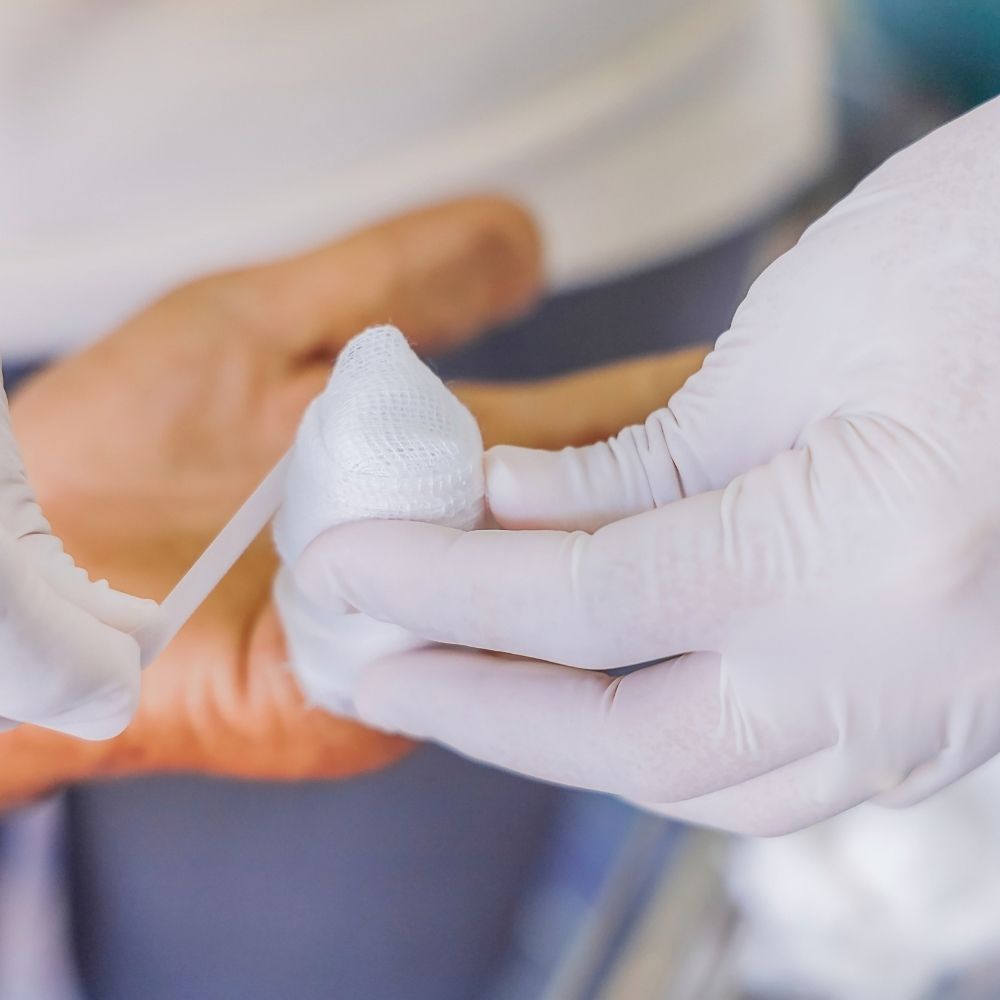
Minor Cuts &
Wound Care
Cleaned. Closed. Cared for.

Professional wound evaluation, cleaning, closure, and aftercare for cuts, lacerations, and skin injuries that need more than a bandage.

Book an Appointment


Florida Insurances
Georgia Insurances
New York Insurances
South Carolina Insurances
North Carolina Insurances
When a Cut Needs More Than a Bandage Wound Care Done
Right From the Start

Not every cut needs the emergency room, but not every cut can be managed with a bandage at home either. When a laceration is deep, long, or in a location where proper closure matters for both function and healing, getting it properly evaluated and closed makes a significant difference in how well and how cleanly it heals.

At Superior Health Medical and Wellness, Dr. Akers evaluates wounds for depth, contamination, and the need for closure. She cleans wounds thoroughly, closes them using the most appropriate method for the location and type of laceration, and ensures you leave with the aftercare instructions and tetanus status you need for proper healing.

Book Your Appointment
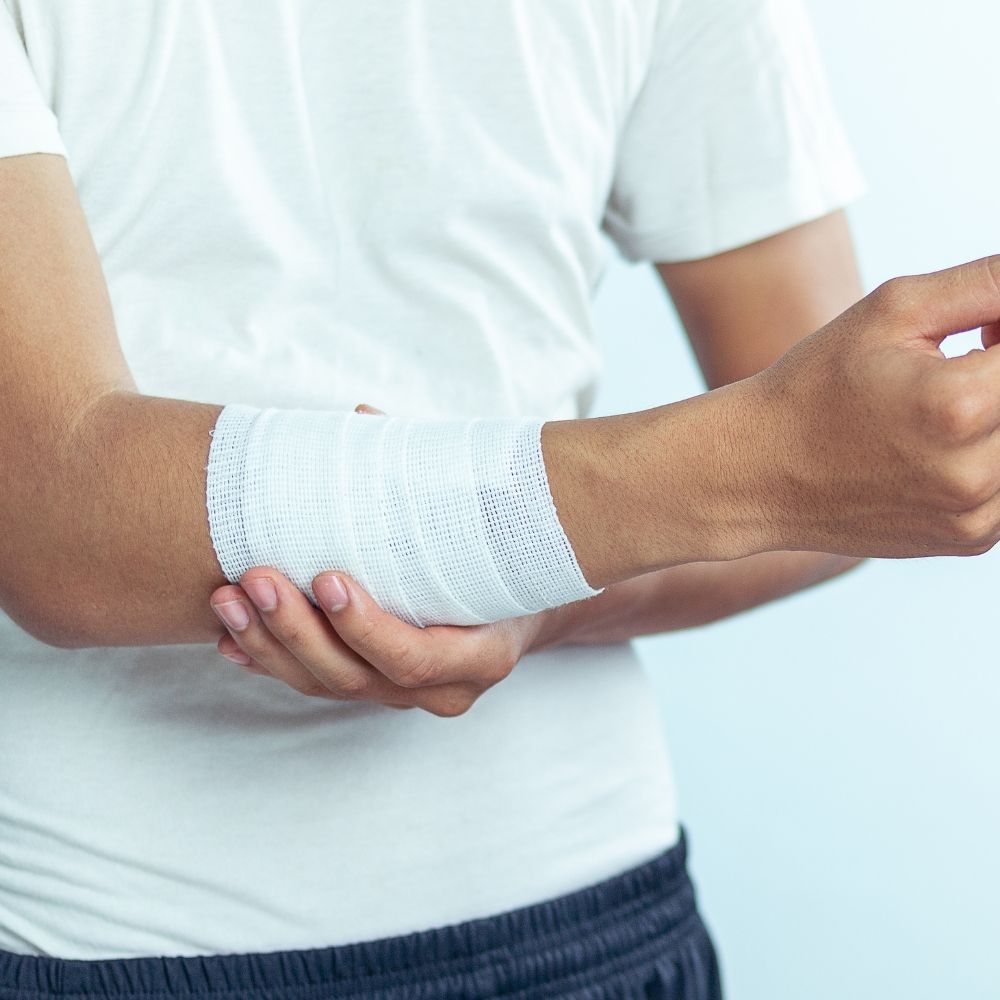
Minor cut and wound care at Superior Health Medical
Minor Cuts & Wound Care Services What We Provide

From simple lacerations to wound cleaning, closure, and infection management, Dr. Akers provides comprehensive wound care at Superior Health. Explore the services below to understand what to expect.

Dr. Akers evaluates every wound for depth, location, contamination, and the presence of foreign material. Thorough wound irrigation with sterile saline is one of the most important steps in preventing wound infection. This step is frequently skipped or inadequately performed when wounds are managed at home.
Wound closure method depends on the depth, location, and configuration of the laceration. Sutures are used for deep or irregular wounds. Staples are efficient for scalp lacerations. Tissue adhesive (skin glue) is appropriate for superficial wounds in low-tension areas. Dr. Akers selects the most appropriate method for your specific wound.
Wounds that have been open for more than several hours, are heavily contaminated, or involve animal bites have higher infection risk. Dr. Akers evaluates infection risk, prescribes prophylactic antibiotics when indicated, and treats established wound infections with appropriate antibiotic therapy.
Any wound, particularly puncture wounds, dirty wounds, or wounds from objects that have been outdoors, requires a review of your tetanus vaccination status. Dr. Akers reviews your immunization history and administers a tetanus booster if more than five to ten years have passed since your last dose.
Proper wound aftercare is essential for good healing and infection prevention. Dr. Akers provides clear, specific instructions on wound cleaning, dressing changes, activity restrictions, and signs of infection to watch for. She schedules follow-up for suture removal when needed, typically in five to fourteen days depending on the wound location.
If a wound becomes increasingly red, swollen, warm, or produces discharge after initial treatment, Dr. Akers evaluates for infection and adjusts treatment accordingly. She also evaluates wounds that are not healing as expected to identify contributing factors and ensure you get the most favorable healing outcome possible.
Why It Matters Proper Closure Prevents
Poor Healing
Laceration closure and wound care at Superior Health Medical
01 Wound Timing Affects Healing

Lacerations that are cleaned and closed promptly heal more cleanly and with less scarring than those left open for extended periods. Most wounds can be effectively closed within six to eight hours of injury. Wounds left open longer may require different closure techniques or secondary intention healing. Seeing Dr. Akers quickly gives you the best outcome.

02 Not Every Wound Should Be Closed

Heavily contaminated wounds, bite wounds, and wounds with significant tissue loss may be better managed with delayed or partial closure rather than immediate suturing. Closing the wrong wound incorrectly can trap infection and lead to a wound dehiscence or abscess. Dr. Akers makes this determination based on the specific characteristics of your wound.

03 Tetanus Is Often Overlooked

Patients frequently do not know their last tetanus booster date and assume they are protected. Tetanus boosters are recommended every 10 years for clean wounds and every five years for dirty or puncture wounds. Dr. Akers checks your tetanus status at every wound visit and administers a booster when indicated.
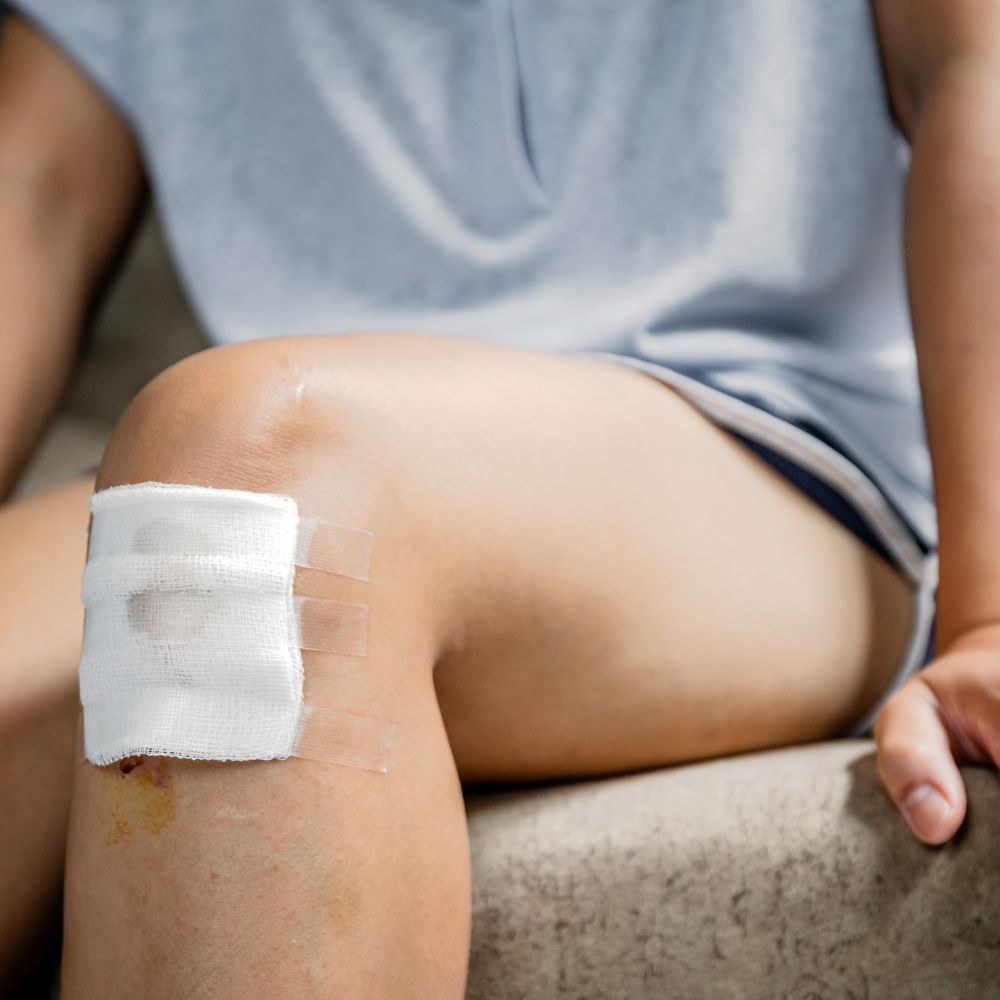
Wound closure evaluation at Superior Health Medical
Does Your Cut Need Stitches? When to Seek Medical
Wound Care

Not every cut needs stitches, but certain characteristics make closure important for proper healing. Wounds that may need medical closure include lacerations longer than half an inch, wounds that are gaping or have edges that cannot be held together easily, wounds that are deep enough to expose fat or muscle, wounds in cosmetically sensitive areas like the face, and wounds that will not stop bleeding with 10 to 15 minutes of direct pressure.

Location matters as much as depth. Wounds over joints, the scalp, or the hands often have higher tension or functional importance and benefit from proper medical closure and follow-up. Wounds on the face benefit from precise closure to minimize scarring.

If you are unsure whether a wound needs closure, err on the side of getting it evaluated. Dr. Akers will assess it quickly and honestly. If it does not need stitches, she will tell you and give you the right home care instructions. If it does, she will close it properly so you heal as well as possible.
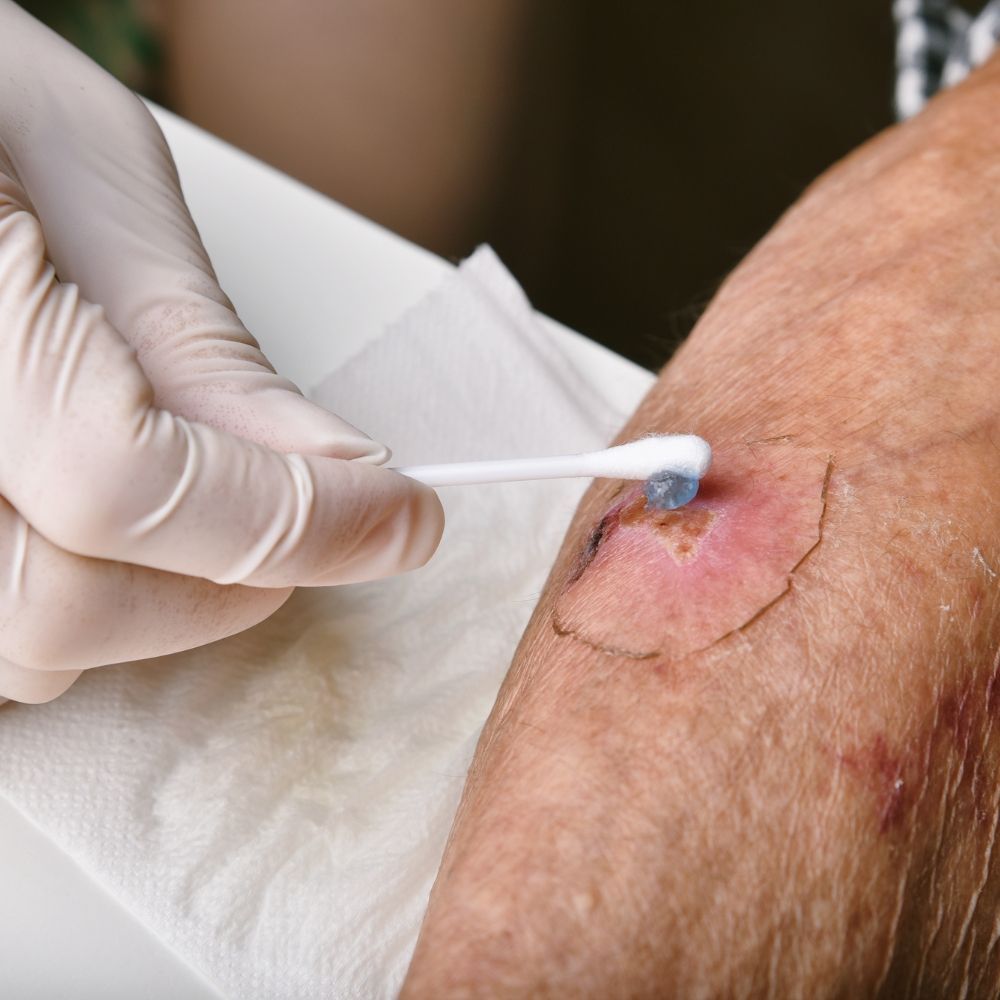
Wound infection evaluation at Superior Health Medical
Signs of Wound Infection When a Healing Wound
Starts Looking Wrong

It is normal for a healing wound to have some redness and mild swelling in the first 24 to 48 hours after closure. Signs that a wound may be infected include redness that is spreading beyond the wound edge, increasing warmth or swelling after the first two days, pus or discharge from the wound, a wound that reopens, fever, or red streaking extending from the wound.

If you notice any of these signs, contact Dr. Akers for re-evaluation right away. Wound infections that are caught early can often be managed with oral antibiotics and local wound care. Infections that are allowed to progress can lead to cellulitis, abscess formation, or in rare cases more serious complications requiring hospitalization.

Get Your Wound Evaluated
Frequently Asked Questions Your Questions,
Answered
A wound likely needs closure if it is longer than half an inch, gaping so the edges do not come together naturally, exposing yellow fat or deeper tissue, located in an area of high tension or cosmetic importance, or still bleeding significantly after 10 to 15 minutes of direct pressure. If you are unsure, come in for evaluation. Dr. Akers will assess quickly and honestly whether closure is needed.
Most lacerations can be effectively closed within six to eight hours of injury. After 12 hours, the risk of infection with closure increases for contaminated wounds, and Dr. Akers may recommend delayed closure or management with antibiotics instead. Getting evaluated as soon as possible gives you the most options for the best outcome.
Any full-thickness skin wound will leave some degree of scar. Proper wound closure minimizes scarring by bringing edges together precisely and reducing tension on the wound. Following aftercare instructions, protecting the healing wound from sun exposure, and allowing adequate healing time also influence the final appearance. Dr. Akers will discuss realistic expectations for your specific wound at your visit.
Your tetanus status is checked at every wound visit at Superior Health. If it has been more than 10 years since your last tetanus booster for a clean wound, or more than 5 years for a dirty or puncture wound, Dr. Akers will administer a booster at your visit. Tetanus is preventable but potentially fatal if left unprotected against.
Stitch removal timing depends on the location of the wound. Facial sutures are typically removed in five to seven days to minimize scarring. Sutures on the scalp, trunk, or limbs are generally removed in 10 to 14 days. Dr. Akers schedules your follow-up appointment for suture removal at your initial visit and will give you specific guidance on when and how to care for the wound in the meantime.