Treatment Reduce what time and change left behind.
Physician-administered microneedling and combination protocols that remodel stretch mark tissue, stimulate new collagen, and progressively reduce the appearance of stretch marks on the body.
Book an Appointment








More Confidence.
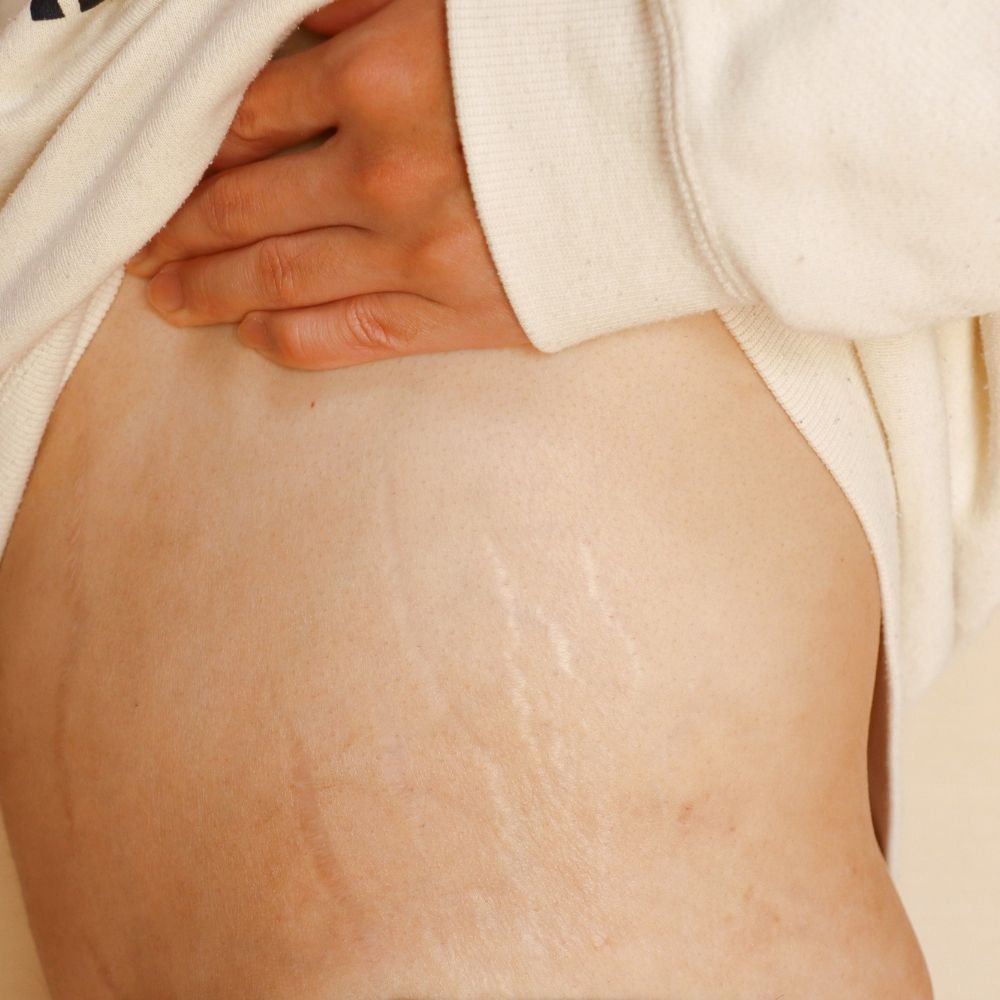
Stretch marks, or striae, form when the skin is stretched rapidly beyond its elastic capacity, tearing the collagen and elastin fibers in the dermis. The resulting scar tissue fills the tear with a different collagen structure than the surrounding skin, producing the raised or depressed lines with altered color and texture that characterize stretch marks. Fresh stretch marks are typically red or purple (striae rubra) as the dermis is actively inflamed. Older stretch marks are white or silver (striae alba) as the inflammation resolves and the damaged dermis becomes atrophic.
At Superior Health Medical and Wellness, Dr. Akers uses microneedling, PRP, and chemical treatments to stimulate collagen remodeling in the stretch mark tissue. The goal is to normalize the collagen structure in the scar, improve the texture and color of the affected skin, and reduce the visual contrast between the stretch marks and the surrounding skin. Stretch marks can be significantly improved with treatment, though complete elimination is rarely achieved. Dr. Akers sets honest expectations at your consultation based on the age, type, and location of your stretch marks.
Book Your Appointment
From targeted microneedling protocols and PRP-enhanced remodeling to combination approaches for stubborn stretch marks, Superior Health provides physician-grade stretch mark treatment. Explore the services below.
It Can Change Again.
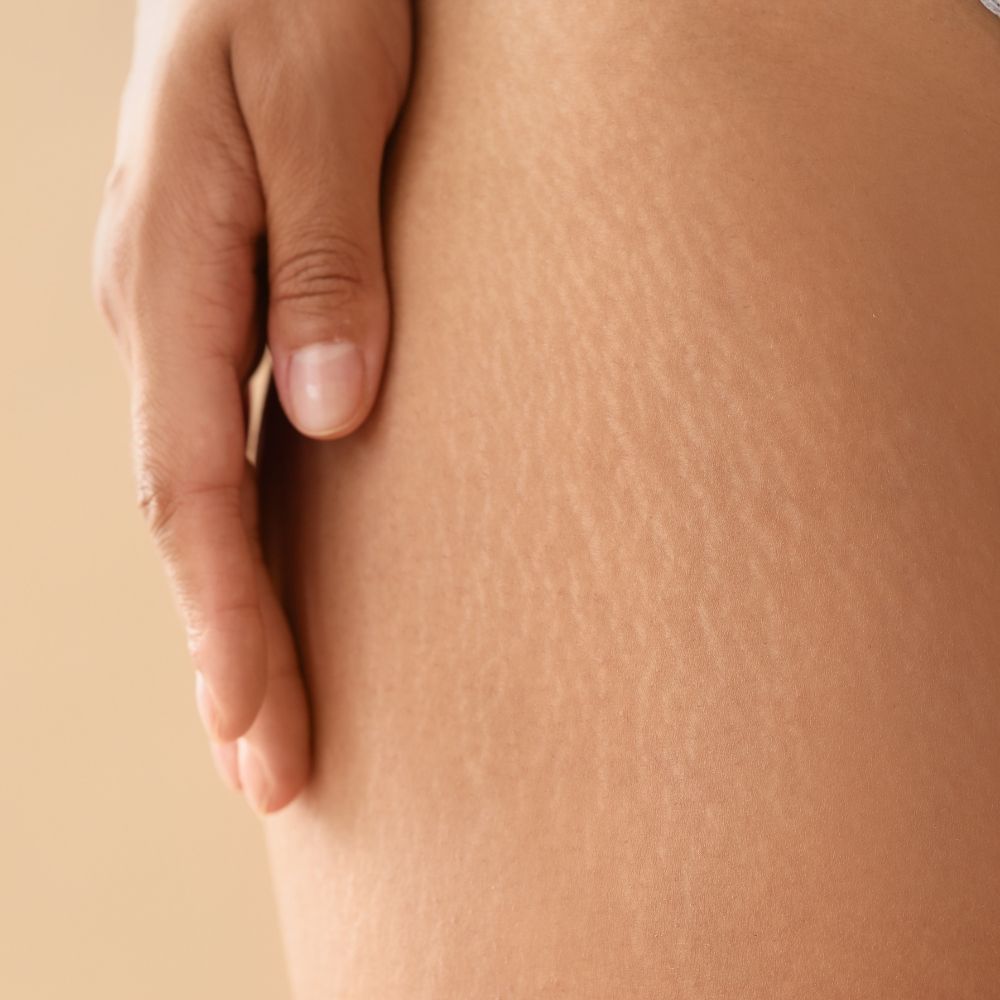
Stretch marks form because the skin's collagen repair response during rapid stretching produced disorganized scar tissue. Microneedling works by triggering a new, controlled collagen response in that same tissue, giving the skin an opportunity to lay down better-organized collagen and progressively normalize the structure and appearance of the mark. The treatment leverages the skin's own repair biology.
Fresh, red stretch marks are in an active phase of collagen remodeling that makes them far more responsive to treatment than mature white marks. The dermis is still actively attempting to repair itself, and treatment during this window can direct that repair process toward a better structural outcome. Patients who begin treatment within the first few months of stretch mark formation consistently achieve greater improvement than those who wait years.
Stretch mark treatment is not a one-session fix, and realistic expectations are essential. A series of four to eight sessions over four to six months produces meaningful, visible reduction in the depth, color, and texture of stretch marks for most patients. The improvement is real and lasting because it is based on genuine collagen remodeling rather than surface-level changes.
Your Skin Tells
Targeted collagen remodeling treatments that reduce the depth, color, and texture of stretch marks over a progressive series of sessions.
Book a Consultation
and How Treatment Works
When skin is stretched faster than its elastic components can accommodate, the middle layer of the skin, the dermis, tears. The tears are filled by rapid collagen deposition that prioritizes speed over organization, producing the disorganized, densely packed collagen bundles of scar tissue. This scar tissue is structurally and functionally different from normal dermal collagen: it is less elastic, has a different water content, and reflects light differently, creating the visible line.
In fresh stretch marks, the inflammation and increased vascularity at the stretch mark site produce the red or purple color. As the inflammatory phase resolves and the blood vessels recede, the mark becomes white or silver and flat or slightly depressed as the collagen density decreases with time. This atrophic change in mature marks is what makes them more difficult to treat than fresh ones.
Microneedling disrupts the existing scar tissue collagen and triggers a new inflammatory and proliferative response at the stretch mark site. The new collagen produced in response to the treatment micro-injuries is laid down in a more organized pattern than the original scar tissue, progressively improving the texture, color, and depth of the mark over multiple treatment cycles.
Treatment Experience
Stretch mark microneedling treatments begin with application of topical numbing cream to the treatment area. The microneedling passes are performed at deeper settings than facial treatments to reach the scar tissue in the dermis. Body skin tolerates deeper needle penetration than facial skin, and the needle depth is calibrated to the thickness and maturity of the stretch marks being treated.
Post-treatment redness and swelling at the treatment site resolve within 24 to 48 hours. Most patients can return to normal activities the following day. Visible improvement begins to appear six to eight weeks after each session as the new collagen matures. Dr. Akers photographs the treatment area at each visit to document and track improvement across the treatment series.
Schedule Your Stretch Mark Treatment ConsultationAnswered