Management Relief from jaw pain, finally.
Comprehensive evaluation and management of temporomandibular joint disorders covering jaw pain, bite dysfunction, facial pressure, chronic headaches, and the full TMJ spectrum, guided by a physician who treats the underlying cause rather than just the symptom.
Book an Appointment








That Addresses the Root Cause
Temporomandibular joint disorders are among the most underdiagnosed and undertreated conditions in primary care. TMJ dysfunction affects the joint that connects your jaw to your skull and can produce a broad range of symptoms including jaw pain and clicking, facial pressure, chronic headaches, ear pain, neck tension, and difficulty chewing. At Superior Health Medical & Wellness, Dr. Akers evaluates TMJ disorders thoroughly and builds individualized management plans that address both the structural and contributing factors driving your symptoms.
Whether you are dealing with acute jaw pain from a recent flare, longstanding TMJ dysfunction that has not responded to previous treatment, or symptoms you have not yet connected to your jaw joint, Dr. Akers provides a clinical evaluation that considers the full picture of what is driving your pain and what will actually help it resolve.
Book a TMJ Consultation
TMJ management requires a systematic approach that identifies the type of dysfunction you have, the factors maintaining it, and the interventions most likely to produce lasting improvement. Explore the components of comprehensive TMJ care below.
Real Treatment
Mismanaged
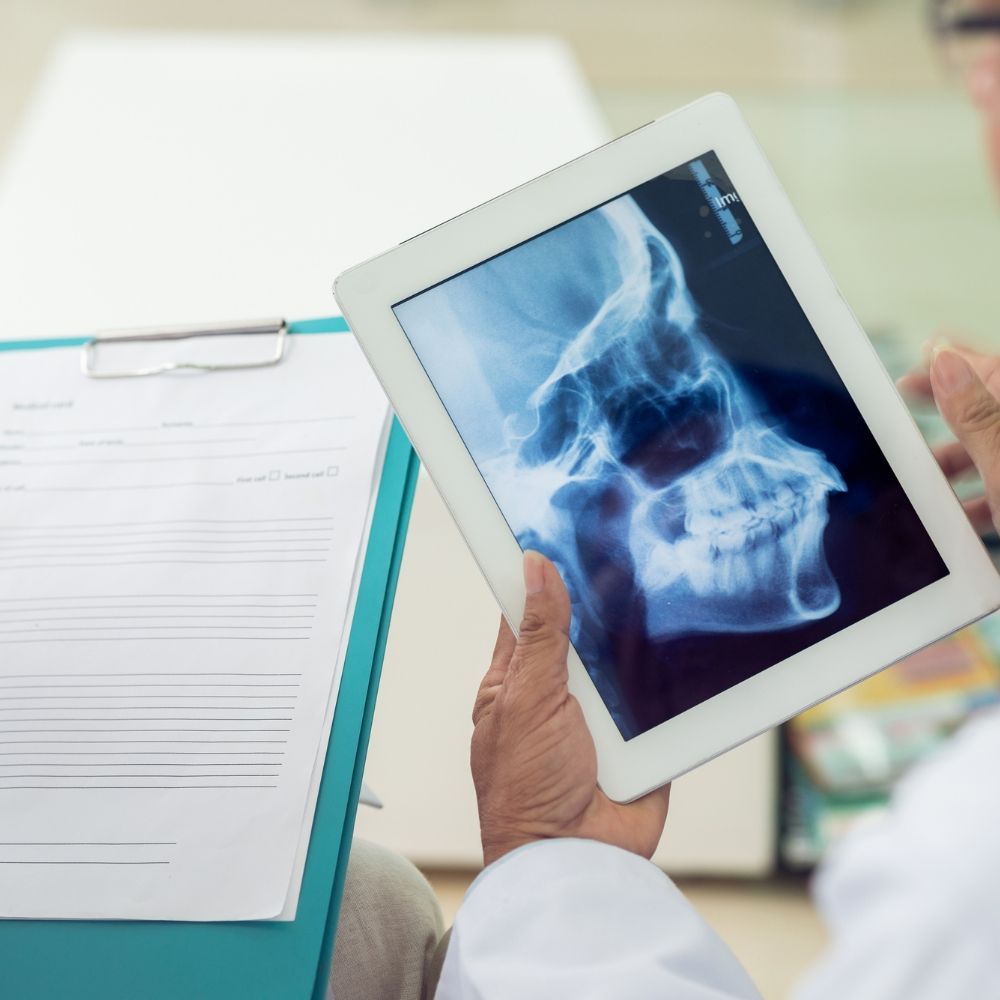
Most patients with TMJ disorders are told to take ibuprofen, apply heat, and wait. Some are referred for expensive dental appliances that do not address the muscle component. Others are sent for imaging that rarely changes management. A physician-led approach evaluates the full clinical picture, addresses contributing factors including stress, sleep, and parafunctional habits, and builds a real treatment plan rather than a symptom management cycle.
Connection Is Real
A significant proportion of patients with chronic daily headaches, unexplained ear pain, facial pressure, and neck tension have an undiagnosed TMJ disorder as a primary or contributing factor. Treating the headaches without evaluating the jaw is treating a symptom without addressing its source. Dr. Akers evaluates this connection in every patient presenting with these overlapping complaints.
Always
The majority of TMJ disorders respond well to conservative management when it is comprehensive and consistent. Surgery and invasive dental procedures are rarely necessary. Dr. Akers takes a stepwise approach, starting with the least invasive interventions that address the most impactful contributing factors, and escalates only when conservative measures have been given a genuine clinical trial.
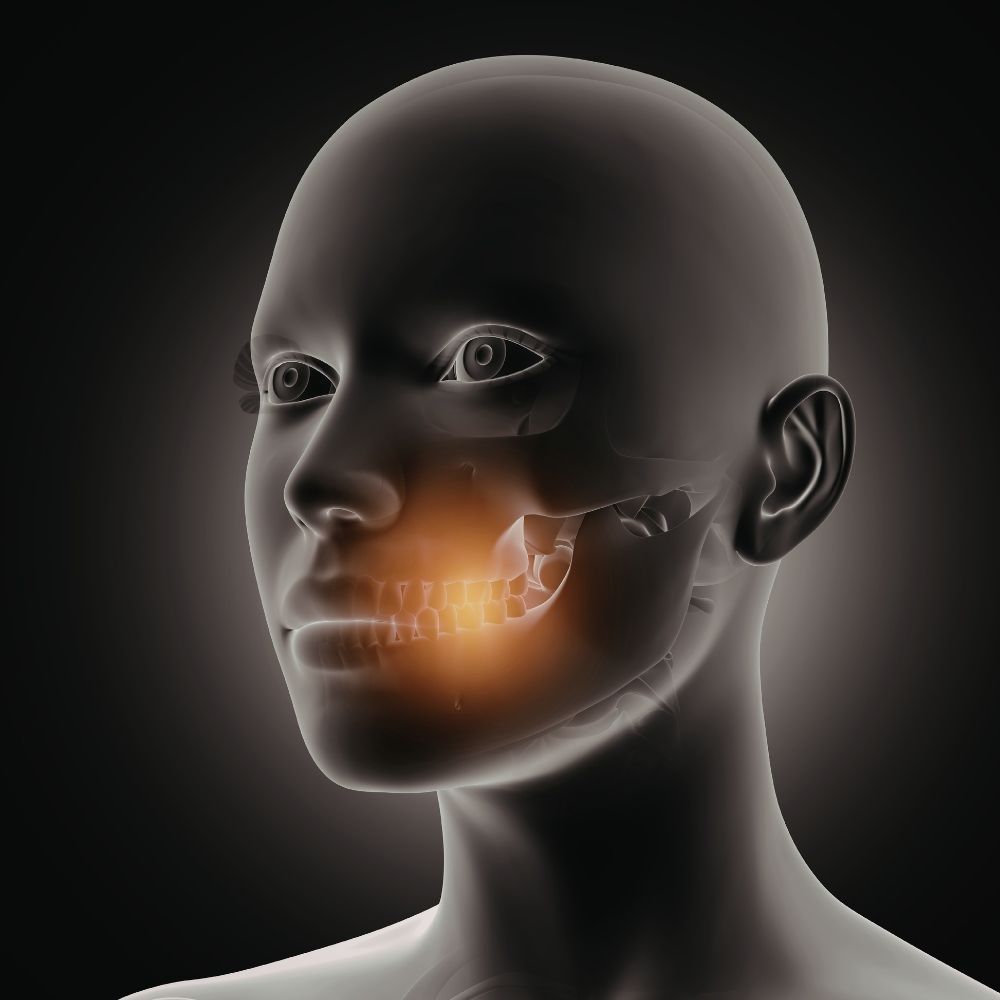
The temporomandibular joint is the hinge joint connecting your lower jaw to your skull, located just in front of each ear. It is one of the most complex joints in the body, capable of both hinge and sliding motion, and is used hundreds of times per day in chewing, speaking, and swallowing. The joint consists of a condylar head, articular disc, and glenoid fossa, surrounded by a capsule and held in position by multiple muscles and ligaments.
TMJ disorders fall into three broad categories: those primarily involving the muscles that move the jaw (myofascial), those involving the internal joint structures including the articular disc (intra-articular), and those involving degenerative joint disease such as osteoarthritis. Many patients have a combination of all three. Correctly identifying which category or categories apply to your situation determines which treatments are most likely to work.

Effective TMJ management typically combines several interventions simultaneously. Anti-inflammatory medication addresses acute pain and tissue inflammation. Muscle relaxants reduce overnight clenching in severe cases. Jaw exercises improve mobility and reduce muscle tension. Heat application before meals and cold application after periods of high muscle activity both have roles at different stages of treatment. Behavioral modification addresses daytime clenching and jaw bracing that most patients are not consciously aware of.
For patients with bruxism as a primary driver, Botox into the masseter muscles is one of the most effective interventions available and can be administered in-office. For patients with structural dental issues contributing to their bite imbalance, Dr. Akers coordinates the appropriate dental referrals with a clear clinical handoff rather than sending patients to navigate specialist care on their own.
Book Your TMJ ConsultationQuestions Answered