A physician-supervised melasma management program combining targeted chemical treatments, medical-grade brightening, and long-term pigmentation control for lasting results.
Book an Appointment








a Strategy, Not Just a Peel
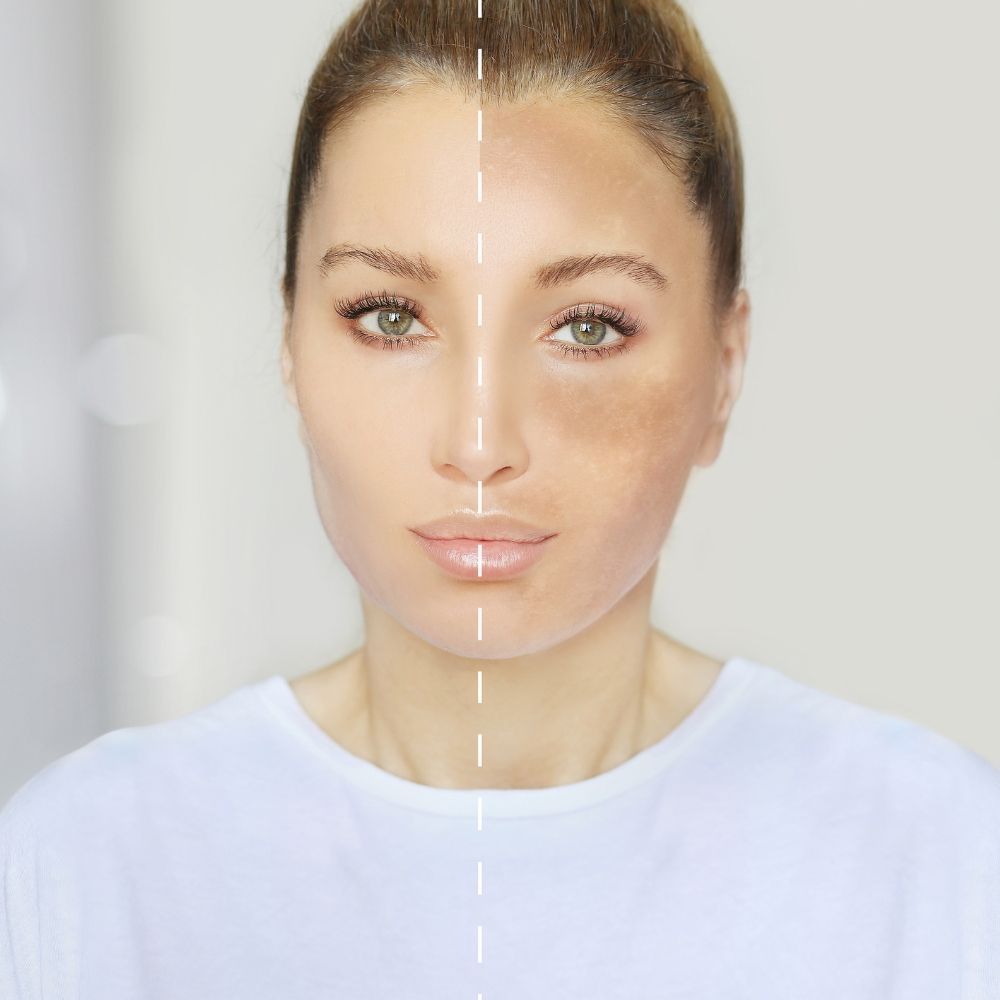
Melasma is a chronic pigmentation condition characterized by symmetric patches of brown to grayish-brown pigmentation most commonly appearing on the cheeks, forehead, upper lip, and chin. It is driven by a combination of hormonal influences, UV exposure, and heat, and it disproportionately affects women and individuals with darker skin tones. Melasma is one of the most difficult pigmentation conditions to treat because it is chronic and recurrent: even after clearance, it will return with sun exposure, hormonal changes, or heat exposure without ongoing management.
At Superior Health Medical and Wellness, Dr. Akers treats melasma as the chronic condition it is, not as a simple pigmentation problem with a quick fix. The treatment program combines physician-grade chemical treatments and brightening protocols with rigorous sun protection guidance, hormonal consideration when relevant, and a long-term maintenance plan that prevents recurrence. Treating melasma without a management strategy for prevention produces temporary results; managing it as a chronic condition produces lasting ones.
Book Your Appointment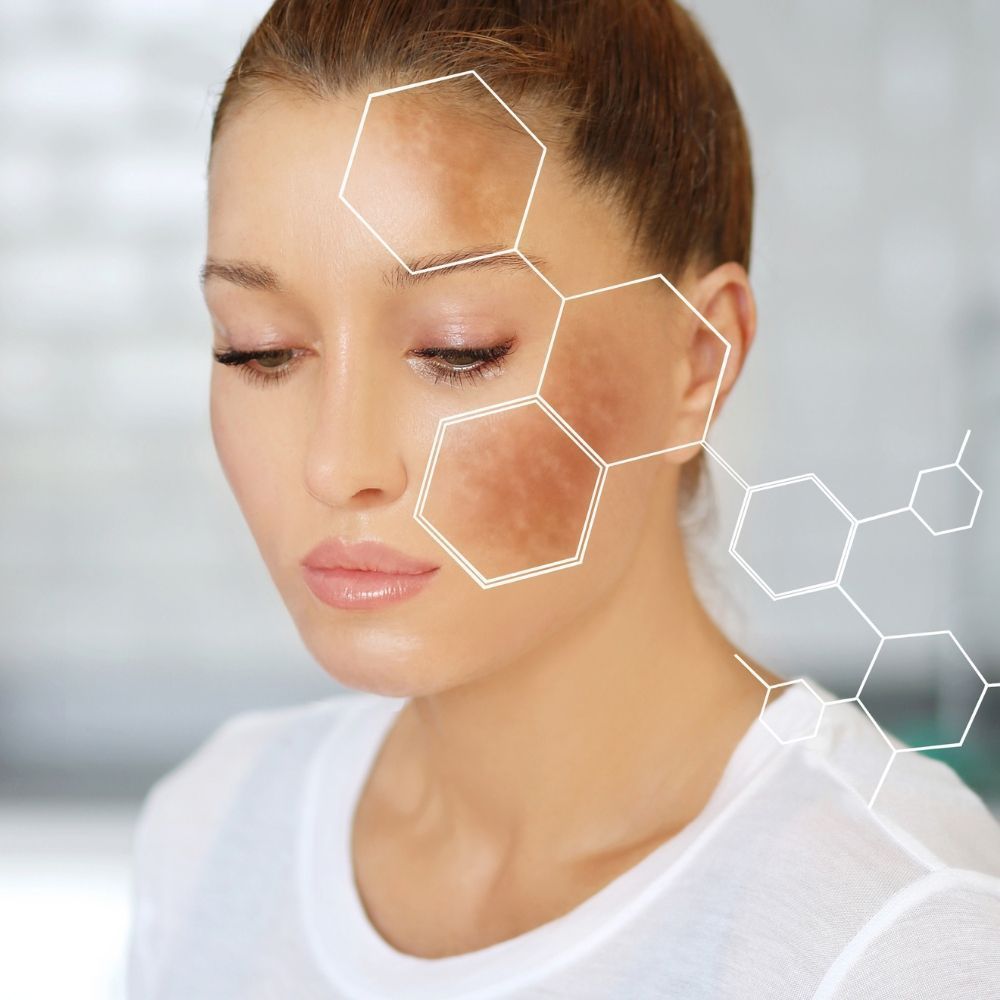
From targeted chemical peels and brightening treatments to long-term melasma management and combination protocols, Superior Health provides comprehensive physician-supervised melasma care. Explore the services below.
Plan, Not Just a Treatment

The mistake most melasma patients make is treating it as a single episode that can be resolved and forgotten. Melasma is driven by melanocyte hypersensitivity that does not go away with treatment: the cells that overproduce melanin remain ready to do so again with the right triggers. Managing melasma successfully means treating it and then actively preventing its return with ongoing sun protection, maintenance treatments, and trigger management.
Melasma in darker skin tones is particularly susceptible to post-inflammatory hyperpigmentation, meaning that overly aggressive treatments can stimulate the very melanocyte activity they were designed to suppress. This is why physician oversight matters: the right peel depth, the right treatment timing, and the appropriate peel selection for each patient's Fitzpatrick type are clinical judgments that prevent treatment from producing more pigmentation than it removes.
UV exposure, hormonal changes from oral contraceptives or pregnancy, and even heat exposure from cooking or hot environments can trigger melasma. Treating the pigmentation without addressing these triggers produces temporary improvement followed by rapid recurrence. Dr. Akers works with each patient to identify their primary triggers and incorporates trigger management into the treatment plan alongside the clinical treatments.
Yours Again.
Physician-supervised melasma protocols that address pigmentation at its source with precision treatments and the long-term management strategy it actually requires.
Book a Consultation
From Other Pigmentation
Melasma occurs when melanocytes in the epidermis are abnormally stimulated to produce excess melanin in specific patterns. Unlike simple sun spots or post-inflammatory marks, melasma involves a dysfunction in melanocyte regulation rather than just an accumulation of pigmented cells. The melanocytes themselves are sensitized: they respond to UV, visible light, and hormonal signals with disproportionate melanin production.
Melasma can be epidermal (melanin excess in the upper skin layers), dermal (melanin-containing macrophages in the deeper dermis), or mixed. Epidermal melasma responds to surface-targeting treatments like peels and brightening agents. Dermal melasma is significantly harder to treat because the pigment is located below the reach of most topical and surface treatments. Mixed melasma requires a combined approach. Dr. Akers uses Wood's lamp examination to assess the depth of your melasma before recommending treatment.
Hormonal influences are a major driver of melasma, which is why it is so prevalent in pregnant women and women taking oral contraceptives. Estrogen and progesterone stimulate melanocyte activity, which is why melasma often appears or worsens during pregnancy (chloasma) or with hormonal contraceptive use. Addressing the hormonal component, when possible, is an important part of a comprehensive melasma management plan.
Melasma Management Approach
Your melasma program at Superior Health begins with a comprehensive assessment visit in which Dr. Akers examines your pigmentation, assesses its depth and distribution, reviews your triggering factors, and designs a treatment protocol tailored to your specific melasma pattern and skin type. You leave this visit with a clear understanding of what treatments will be performed, in what sequence, and what results to expect.
Clinical treatment sessions are scheduled at appropriate intervals based on the treatments included in your protocol. Maintenance skincare, including physician-grade brightening agents and strict SPF guidance, begins immediately alongside clinical treatments. At each follow-up visit, Dr. Akers documents your progress photographically and adjusts your protocol based on your response, always balancing efficacy with the safety considerations specific to your skin type.
Schedule Your Melasma ConsultationAnswered