In This Article
When patients begin noticing thinning hair, a widening part, increased shedding, or a receding hairline, many assume they have two choices: accept the hair loss or eventually get a hair transplant.
For many patients, there is another path, particularly when treatment begins while viable hair follicles remain.
Today, we have several evidence-based, non-surgical options that can help support healthier growth, improve density, strengthen existing hair, and preserve the hair you still have.
But before I talk to a patient about PRP, lasers, medications, or transplantation, I start somewhere else:
Hair loss is a diagnosis before it is a treatment.
Why Are You Losing Your Hair?
Not all hair loss is the same.
Gradual thinning at the crown, a widening part, or a receding hairline may represent androgenetic alopecia, commonly called male or female pattern hair loss. But shedding and thinning can also be associated with hormonal changes, thyroid dysfunction, nutritional deficiencies, significant illness or stress, rapid weight loss, certain medications, and other medical conditions.
That's why I believe hair restoration should begin with a medical evaluation.
Depending on the individual, I may evaluate the pattern of hair loss along with medical and family history, medications, nutrition, hormonal factors, recent weight changes, and, when appropriate, laboratory testing.
Understanding why you're losing your hair helps us determine what we should do about it.
Can You Restore Hair Without a Transplant?
For many patients, yes, especially when treatment begins early.
Non-surgical hair restoration can be very promising when follicles are still present but producing progressively thinner, weaker hairs. Treatment cannot reliably recreate follicles that are no longer viable, which is one reason I encourage patients not to wait until hair loss becomes advanced before seeking an evaluation.
"How do I regrow the hair I've lost?"
Restoration is absolutely an important goal. But I want patients to think about an equally important question: how can we also preserve and strengthen the hair you still have?
To me, successful hair restoration means pursuing both goals simultaneously: stimulating and restoring hair where viable follicles remain while protecting and strengthening the hair that is already there.
Restoration and preservation aren't competing goals. They're two parts of the same strategy.
PRP Hair Restoration: Why the Preparation Matters
Platelet-rich plasma, or PRP, uses a concentrated portion of a patient's own blood containing platelets and associated growth factors. Research evaluating PRP for androgenetic alopecia has demonstrated encouraging improvements in hair density and hair count.
But there's an important detail patients may not realize:
PRP is not one universally standardized product.
The amount of blood collected, the patient's baseline platelet count, centrifugation system, platelet recovery and concentration, final treatment volume, and preparation technique can influence the final PRP product.
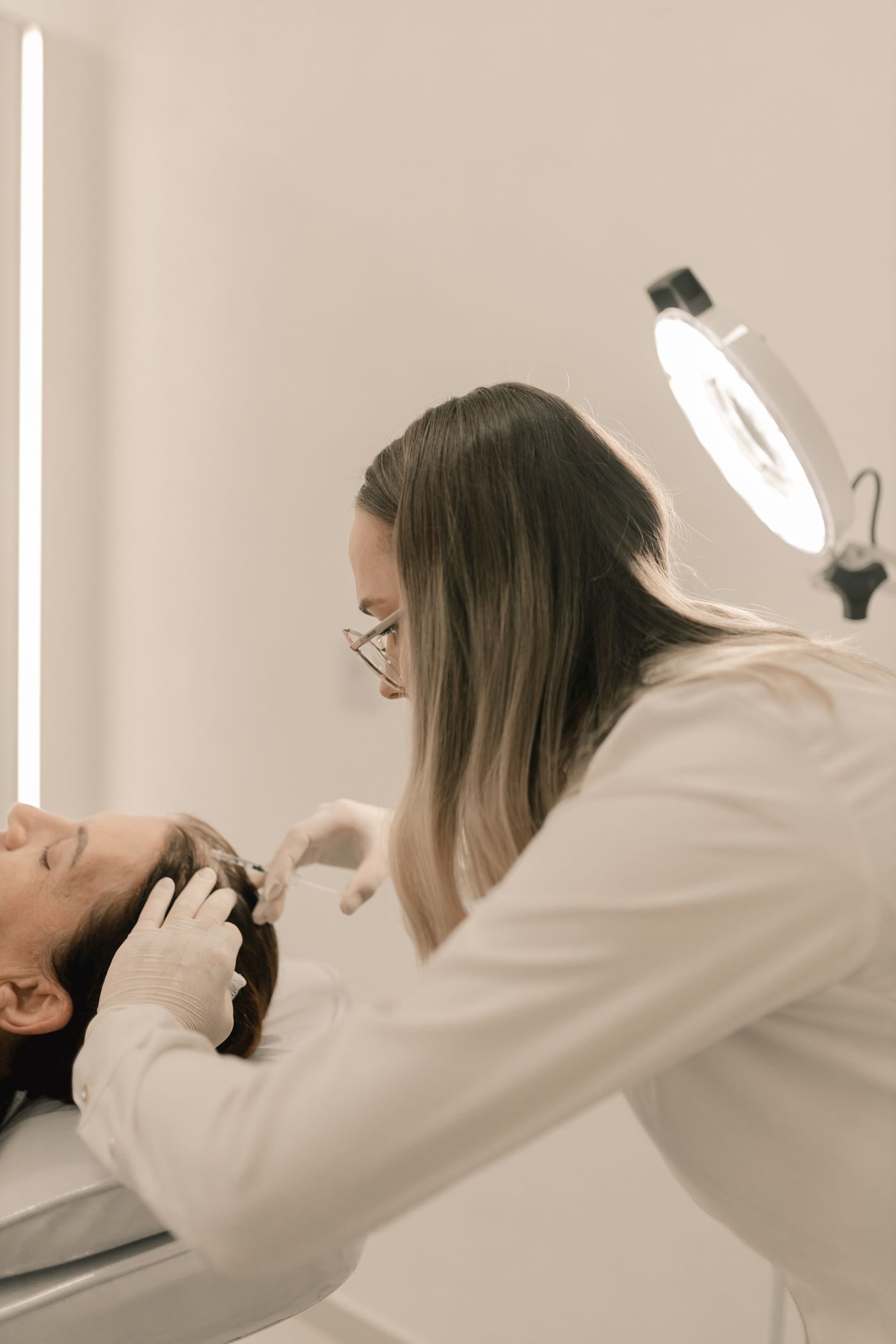
That's why the system and preparation protocol matter to me.
At Superior Health Medical & Wellness, I use EmCyte PurePRP®, a medical-grade, dual-spin platelet concentration system. Its two-step centrifugation process is designed to isolate and concentrate platelets into the final PRP preparation.
If PRP is going to be an important part of a patient's hair restoration plan, I want to be equally intentional about the quality and preparation of the PRP we're using.
Why Combine Hair Restoration Treatments?
I don't believe hair restoration is about finding one "miracle" procedure.
I think about creating the healthiest environment possible for a viable hair follicle to function.
That philosophy became the foundation of my Hair Garden Method: a physician-led approach that intentionally combines multiple treatment modalities rather than relying on PRP alone.
I call it the science of stacking.
PRP
PRP provides concentrated platelets and associated regenerative signals to targeted areas of the scalp.
Microneedling
Microneedling creates controlled micro-injuries that stimulate the scalp's wound-healing response. Research has also shown encouraging results when microneedling is combined with established hair-loss treatments such as minoxidil.
PDO Smooth Threads
PDO, or polydioxanone, is a biocompatible, absorbable material used in medicine for decades.
Research examining PDO within tissue has demonstrated collagen formation, fibroblast activity, and remodeling of the surrounding tissue environment. I apply that regenerative principle to the scalp by incorporating PDO smooth threads as a biostimulatory component of the Hair Garden Method.
The thread itself isn't intended to "grow hair." Instead, think of PDO as another way of tending the soil surrounding viable follicles, encouraging progressive tissue remodeling as the material gradually dissolves.
Research specifically examining PDO for hair restoration is still developing, which is why I use it as one component of a comprehensive protocol rather than a stand-alone treatment.
LLLT
Low-level laser therapy, or LLLT, uses photobiomodulation to influence cellular activity and has evidence supporting improvements in hair density in androgenetic alopecia.
Consistency matters, which is why I encourage appropriate Hair Garden patients to continue LLLT at home between office treatments.
Medical Therapy
Medical therapy can help address biological pathways contributing to continued hair loss.
Depending on the patient, this may include topical and/or oral prescription therapy. This is the component of my Hair Garden protocol that I individualize according to the patient's diagnosis, sex, medical history, reproductive considerations, and specific needs.
Together, these approaches allow us to address hair restoration from different biological directions.
We're not asking one treatment to do everything. We're tending the entire garden.
When Is a Hair Transplant the Better Option?
There are situations in which transplantation can accomplish something non-surgical therapy cannot.
If an area has advanced hair loss and insufficient viable follicles remain, PRP, LLLT, medications, and regenerative treatments cannot simply create an entirely new population of follicles. A hair transplant is fundamentally different because healthy follicles are surgically relocated from a donor area.
But this doesn't necessarily make transplantation and regenerative hair restoration an either/or decision.
PRP has also been studied as an adjunct to hair transplantation, with research reporting encouraging findings involving earlier growth, hair density, and graft or follicle survival.
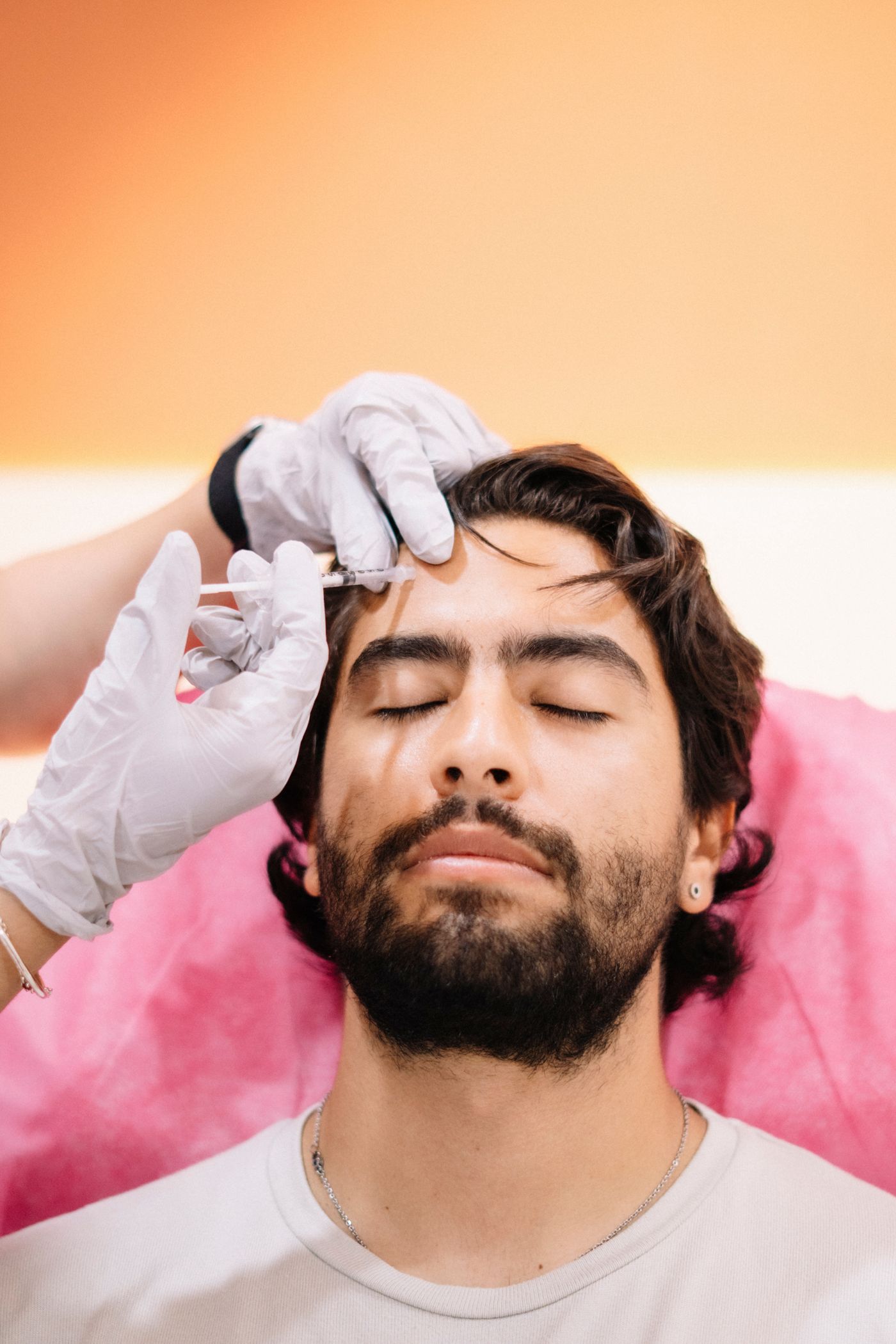
And importantly, a transplant relocates follicles, but it doesn't necessarily stop the underlying process that caused the original hair loss.
The patient's remaining native hair still matters.
That's why medical and regenerative strategies may remain important before or after transplantation to support and preserve existing hair.
I think of it this way:
Sometimes we can restore the garden by strengthening and nurturing what is already growing. Sometimes areas need to be replanted. And sometimes the best plan involves both.
Should You Try Non-Surgical Hair Restoration Before a Transplant?
I believe in giving viable follicles every reasonable opportunity before giving up on them.
When clinically appropriate, that means first understanding the cause of the hair loss and using conservative, medical, and regenerative strategies to preserve existing hair and stimulate follicles that may still have the potential to produce stronger, healthier growth.
Surgery remains an important and sometimes necessary option, but it doesn't always have to be the first one.
My goal is to identify what is driving your hair loss, preserve what can be preserved, restore what can reasonably be restored, and help you understand what your own hair may still be capable of before moving directly to surgery.
Looking for Non-Surgical Hair Restoration in Charlotte, NC?
At Superior Health Medical & Wellness, the Hair Garden Method is my comprehensive, physician-led approach to hair preservation and restoration.
The program intentionally combines EmCyte PurePRP®, scalp microneedling, PDO smooth threads, low-level laser therapy, and physician-directed medical therapy to approach hair restoration through multiple pathways.
The regenerative components work together as part of the Hair Garden protocol, while topical and/or oral medical therapy is individualized for each patient.
If you're experiencing thinning, shedding, a widening part, decreased density, or a receding hairline, or wondering what you can do before moving directly to a hair transplant, the first step is knowledge.
- Understand why you're losing your hair.
- Determine what can still be preserved and restored.
- Then give those viable follicles every reasonable opportunity.
Schedule a complimentary Hair Restoration Consultation with Lisette Akers, MD, MBA, at Superior Health Medical & Wellness in Charlotte, NC.
Individual results vary. Hair restoration treatments are not appropriate for every type or stage of hair loss. Treatment recommendations are made following an individualized medical evaluation.